
Kala Patthar Nepal – The Best Viewpoint to See Mount Everest
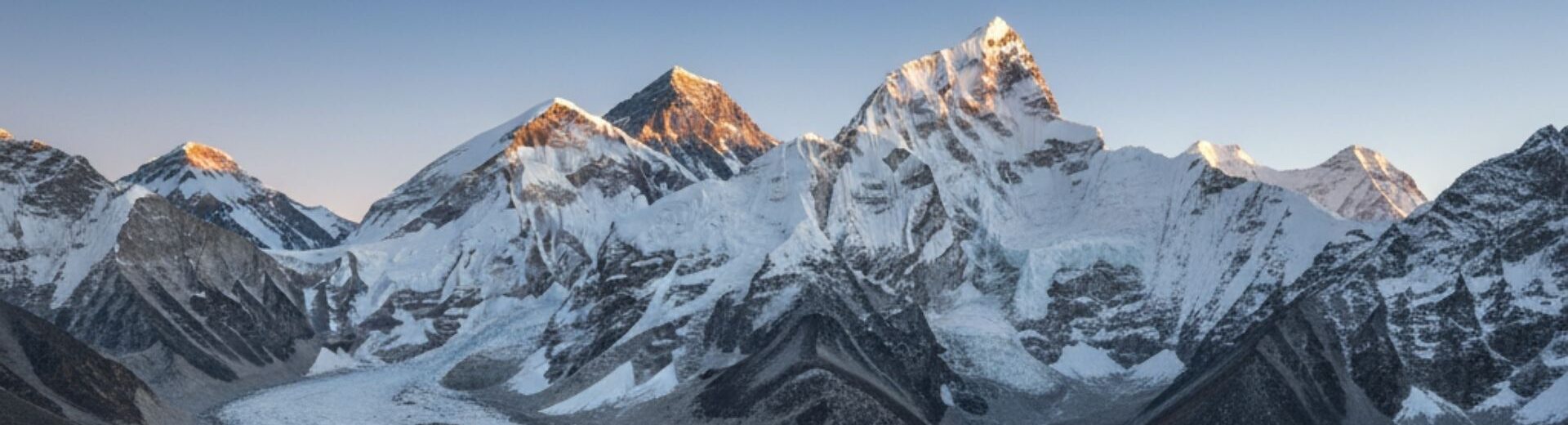
Kala Patthar is one of the most remarkable landmarks in the Everest region. It stands as the most accessible and rewarding viewpoint for trekkers who dream of seeing the world’s highest peak up close. Unlike Everest Base Camp, where Mount Everest often hides behind ridges, Kala Patthar offers an open, unobstructed panorama.
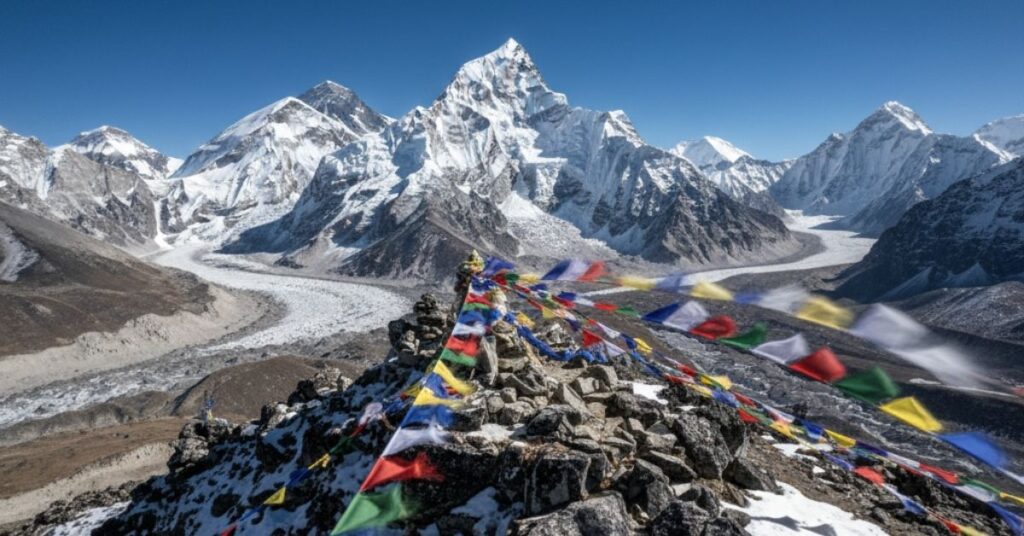
From its rocky summit, you can see Everest, Lhotse, Nuptse, and Pumori glowing under the morning sun. Each peak shines in soft light, creating a sight that feels both powerful and peaceful.
Trekkers from all over the world climb Kala Patthar to experience this magical view. The air feels thin, the wind bites your face, yet the silence fills your heart with calm. Watching Everest from Kala Patthar at sunrise is a moment many describe as spiritual. As the sun rises, the golden hues spread across the mountains and paints the Himalaya in shades of gold and orange. It feels like a beautiful reward for every step of your journey.
Near Gorakshep, Kala Patthar is a must-visit stop on the Everest Base Camp trek. It gives the best place to take pictures of Mount Everest and feel close to the beauty of the Himalayas. For trekkers, photographers, and people who love nature, Kala Patthar Nepal is more than just a mountain view. It is a place where the mountains feel alive. When you stand there, surrounded by the tallest peaks on Earth, you understand why Kala Patthar is the best place to see Mount Everest.
What Makes Kala Patthar So Special?
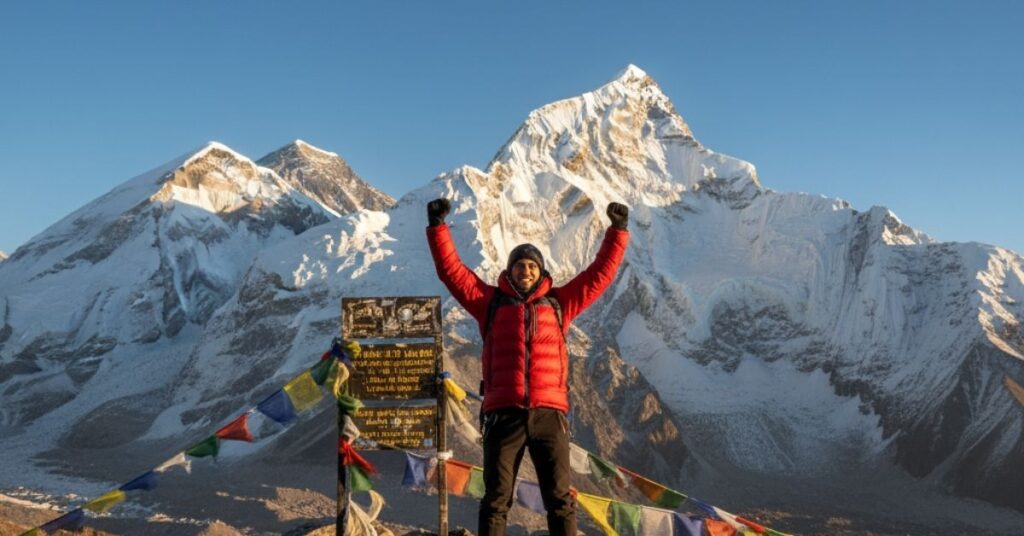
There are many viewpoints in the Everest region, but Kala Patthar is very special. It is not just tall or pretty, the place gives every visitor an amazing feeling.
- Closest View of Mount Everest: Kala Patthar Nepal gives one of the nearest views of Mount Everest. You can see the tallest mountain up close without climbing gear.
- Panoramic Himalayan Views: From the top, you can see many mountains, glaciers, and valleys all around. It feels like a big balcony above the Khumbu region.
- Best for Sunrise and Sunset: Early morning and evening light makes the snowy peaks glow in orange and gold. It is perfect for photos.
- Peaceful and Spiritual Feeling: With prayer flags flying and quiet mountains all around, Kala Patthar feels calm and peaceful. Many trekkers say it feels healing.
- Feeling of Achievement: Walking to Kala Patthar elevation above 5,500 meters is hard, but reaching it gives a great sense of success.
- Cultural Experience: On the way, you walk through Sherpa villages, old monasteries, and trails with mani stones. It shows the local culture.
- Adventure and Photography: The climb is fun and exciting. Every picture captures the wild beauty of the Himalayas, which is hard to forget.
Kala Patthar During the Everest Base Camp Trek
For most trekkers, reaching Kala Patthar is the highlight of the Everest Base Camp trek.
After walking for many days on rocky trails, crossing hanging bridges, and reaching the top of Kala Patthar feels very rewarding. Near Gorakshep, this summit stands at 5,545 meters. It is one of the highest places you can reach in Nepal without climbing equipment.
Most trekkers start very early in the morning or late in the afternoon to see the sunrise or sunset over Everest. While Everest Base Camp takes you close to the mountain’s base, Kala Patthar Nepal gives a clear, wide view of Everest from Kala Patthar. You can also see other peaks like Nuptse, Lhotse, and Pumori.
The view is amazing and makes the trek feel magical, peaceful, and unforgettable.
The View of Everest from Kala Patthar
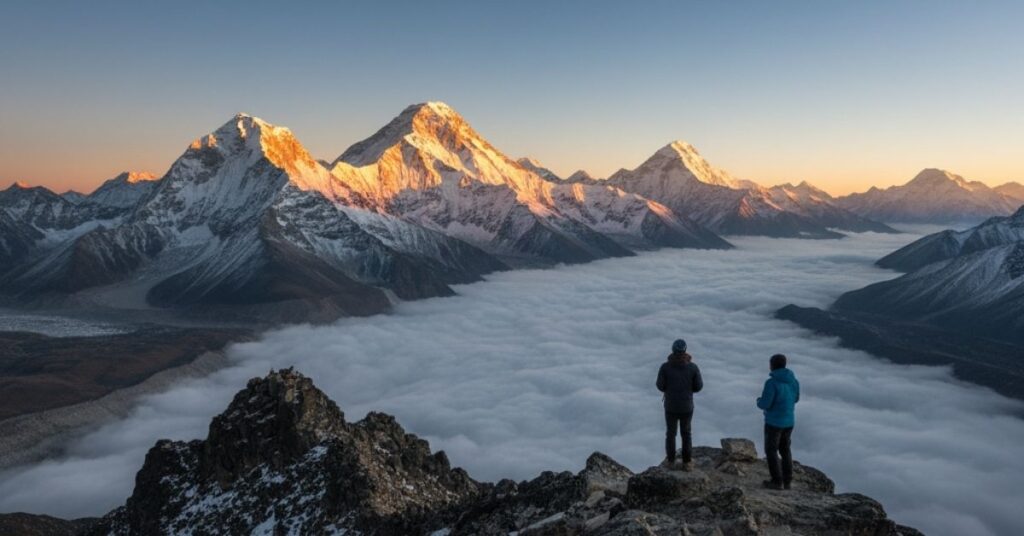
Standing on Kala Patthar feels like standing at the edge of the world. At an elevation of 5,545 meters, the air is thin, the wind sharp, and the silence almost sacred. Here at Kala Patthar, you see one of the most amazing sights on Earth. The view of Everest from Kala Patthar is breathtaking.
From the rocky top, Mount Everest rises tall and clear above the clouds like a giant made of stone and ice. Kala Patthar Nepal gives a straight, front-facing view of Everest, so you can see the summit fully. Around it, other big peaks like Nuptse, Lhotse, and Pumori fill the horizon. Together, they make a beautiful scene that trekkers and photographers dream about.
At sunrise, the view becomes magical. The first sunlight touches Everest and turns it golden and orange. The light spreads across the mountains, making the scene even more beautiful. Watching this moment feels peaceful and strong. Whether you take pictures or just look, the Everest from Kala Patthar view stays in your memory forever.
Kala Patthar Elevation and Trek Difficulty
Climbing Kala Patthar is both hard and very rewarding on the Everest Base Camp trek. It stands at 5,545 meters (18,192 feet), making it one of the highest trekking points in Nepal that does not need climbing gear. The thin air makes it harder to breathe, even though the hike from Gorakshep to the top is short.
The trail to Kala Patthar Nepal begins with a steep ascent on rocky and uneven terrain. The path winds upward with thin air, which makes breathing harder as you gain height. Most trekkers take slow, steady steps to avoid altitude sickness. The climb usually takes about two hours, depending on weather conditions and physical fitness.
The climb is tough for your body, but it feels good for your mind. Every step brings you closer to amazing views of Everest from Kala Patthar. Trekkers should rest and get used to the height at places like Dingboche or Lobuche before going higher. Drinking plenty of water, walking slowly, and starting early to catch the sunrise makes the climb safer and more enjoyable. Despite the effort, the reward is unmatched. The higher you climb, the more the view of Everest from Kala Patthar unfolds in front of you.
How to Reach Kala Patthar Nepal
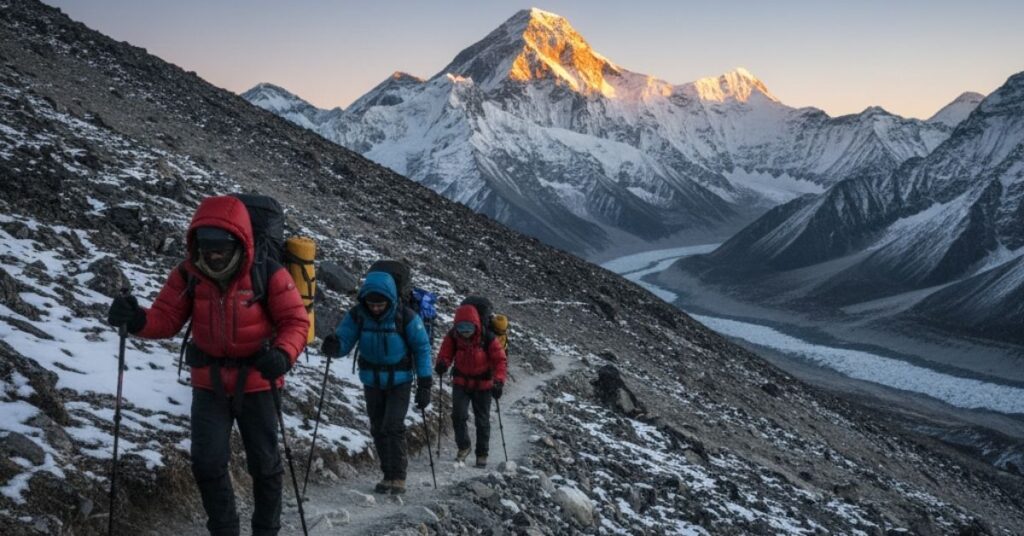
You can reach Kala Patthar in just 10 days.
Day 1: Short Flight from Kathmandu to Lukla
Day 2: Lukla to Phakding
Day 3: Trek from Phakding to Namche Bazaar
Day 4: Acclimatization Day in Namche Bazaar
Day 5: Trek from Namche Bazaar to Tengboche
Day 6: Trek from Tengboche to Dingboche
Day 7: Acclimatization Day in Dingboche
Day 8: Trek from Dingboche to Lobuche
Day 9: Trek from Lobuche to Gorak Shep, then Everest Base Camp
Day 10: Trek from Gorak Shep to Kala Patthar
Day 1: Short Flight from Kathmandu to Lukla
Your journey to Kala Patthar begins with an early morning flight from Kathmandu to Lukla. The flight takes around 30 minutes and offers breathtaking mountain views. Lukla Airport is small but famous for being one of the most thrilling in the world.
Once you land, you’ll feel the crisp mountain air and see the first glimpse of Himalayan peaks. After a quick rest, you can explore the village and prepare for your trek. This short flight marks the official start of your Everest Base Camp and Kala Patthar trek.
Day 2: Trek from Lukla to Phakding
The trail from Lukla to Phakding is pleasant and relatively easy. You’ll walk through pine forests, cross suspension bridges, and pass small Sherpa villages. The trek takes about four hours, allowing you to adjust to the altitude.
Along the way, you’ll see prayer wheels, mani stones, and fluttering flags that reflect the deep spirituality of the region. Phakding sits beside the Dudh Koshi River, making it a peaceful place to spend your first night on the trail.
Day 3: Trek from Phakding to Namche Bazaar
The trek from Phakding to Namche Bazaar is one of the most exciting parts of the journey. The trail crosses many hanging bridges and goes through thick forests with rhododendrons and pine trees.
As you get closer to Namche, the path gets steeper, especially near the Hillary Suspension Bridge. After about six hours of walking, you reach Namche Bazaar, the main town in the Everest region. This busy Sherpa town has cafes, lodges, and amazing views of the surrounding mountains.
Day 4: Acclimatization Day in Namche Bazaar
Namche Bazaar is the perfect spot for acclimatization. At this height, your body needs time to adjust to the thinner air. You can spend the day exploring local monasteries, visiting the Sherpa Museum, or hiking to the Everest View Hotel for panoramic mountain scenes. From here, you might even catch your first distant view of Everest from Kala Patthar’s direction. Resting here helps you prepare for the higher altitudes ahead.
Day 5: Trek from Namche Bazaar to Tengboche
The trail to Tengboche takes you through beautiful forests and mountain ridges. You’ll see the white peak of Ama Dablam, one of the most graceful mountains in Nepal. The trek takes about five hours, ending at the famous Tengboche Monastery, the largest monastery in the Khumbu region.
The sound of chanting monks and spinning prayer wheels adds peace to the cold mountain air. Many trekkers describe Tengboche as one of the most spiritual stops on the journey.
Day 6: Trek from Tengboche to Dingboche
As you leave Tengboche, the trail descends and crosses a river before climbing again toward Dingboche. The landscape starts to change, with fewer trees and more open valleys surrounded by snowy peaks. You’ll see yak caravans carrying supplies along the path. The trek takes six to seven hours, and by the time you reach Dingboche, you’ll be above 4,400 meters. This charming village is perfect for rest and stunning sunset views over Lhotse and Ama Dablam.
Day 7: Acclimatization Day in Dingboche
Another rest day here is important for a safe ascent to higher altitudes. Most trekkers take a short hike to Nagarjun Hill for amazing views of Makalu, Lhotse, and Cho Oyu. It’s a great way to stay active while allowing your body to adjust. You can also explore local teahouses, meet fellow trekkers, and enjoy warm meals while watching clouds drift across the mountains. Resting well today helps you handle the higher climb toward Kala Patthar Nepal.
Day 8: Trek from Dingboche to Lobuche
The trek from Dingboche to Lobuche feels more rugged and dramatic. You’ll pass through a memorial site dedicated to climbers who lost their lives on Everest. The trail becomes steeper and rockier as you approach Lobuche. Located at 4,910 meters, it’s colder here, and the air feels thinner. From Lobuche, you’ll see glaciers and the icy valley leading toward Everest Base Camp. It’s a tough day but one that brings you closer to the dream view ahead.
Day 9: Trek from Lobuche to Gorak Shep, Then Everest Base Camp
Today is one of the most exciting days of the trek. You’ll walk from Lobuche to Gorak Shep, the last settlement before reaching Everest Base Camp. The path crosses glacial ridges and rocky terrain, demanding focus and balance. After a short rest in Gorak Shep, most trekkers continue to Everest Base Camp, where the Khumbu Icefall begins. Standing there, you can feel the spirit of all who have dared to climb the world’s highest mountain. After exploring, you’ll return to Gorak Shep to prepare for tomorrow’s hike to Kala Patthar.
Day 10: Trek from Gorak Shep to Kala Patthar
Your final climb begins early in the morning, usually before sunrise. The trail from Gorak Shep to Kala Patthar is steep and rocky, but the reward is extraordinary. At the elevation of 5,545 meters, you get the most spectacular view of Everest from Kala Patthar along with peaks like Nuptse, Pumori, and Lhotse. As the sun rises, the mountains glow in golden light, creating a moment you’ll never forget. This is the highest point of the trek and the best place to witness Everest in its full glory.
Best Season to Visit Kala Patthar
The best time to visit Everest region and even Kala Patthar Nepal is in spring (March to May) and autumn (September to November). In spring, the flowers on the trail are bright and colorful. The weather is nice, and the sky is clear. In autumn, the air is fresh, the weather is steady, and you can see Mount Everest from Kala Patthar very clearly.
These seasons make walking easier and the mountain views very beautiful.
Winter and monsoon are not good for trekking. In winter (December to February), it is very cold and snow can make the path slippery. In monsoon (June to August), heavy rain and landslides make walking dangerous.
Clouds can cover the view of Everest from Kala Patthar. Going in these seasons can be risky, and you might miss the amazing mountain views.
Accommodation Near Kala Patthar
There are no lodges at the top of Kala Patthar, so most trekkers stay in Gorakshep, the closest village. Gorakshep has small teahouses and lodges where you can rest, eat, and get ready for the early climb to Kala Patthar Nepal. The rooms are simple. You might share a room, and heating is limited, but you have what you need for high-altitude trekking. Staying here helps you start early and see the amazing view of Everest from Kala Patthar at sunrise.
Some lodges also have hot showers, Wi-Fi, and small shops with snacks and trekking supplies. Booking early during busy seasons, like spring and autumn, makes sure you have a place to sleep. Gorakshep is very close to Kala Patthar elevation, so it is the best base for photographers, adventure lovers, and trekkers who want to enjoy Everest from Kala Patthar at its best.
Photography and Sunrise Views
Kala Patthar is one of the most beautiful places in the Everest region. It is a must-visit for people who love taking pictures. From the top, you can see Everest from Kala Patthar clearly. You can also see other big peaks like Lhotse, Nuptse, and Pumori. Every angle is special, whether you use a big camera or a phone. The rocky top has open space, so you can take wide pictures of the mountains.
Sunrise at Kala Patthar elevation is the best time for most visitors. If you start very early, you can see the first golden light touch Everest. The snow on the mountains turns orange and gold. This magical moment makes every photo special. Early mornings usually have clear skies, so you can see all the mountains without clouds. Whether you are taking pictures or just looking, the Everest from Kala Patthar view is unforgettable and very peaceful.
Add Kala Patthar to your Everest itinerary
Adding Kala Patthar to your Everest Base Camp trek makes the trip extra special. While Everest Base Camp is famous, going to Kala Patthar Nepal gives the closest and clearest view of Everest from Kala Patthar. Watching the sunrise from the top is unforgettable. The wide mountain views make every step of the trek feel worth it. At Kala Patthar elevation, you feel both the hard work of the hike and the amazing beauty of the mountains.
At Mountain Routes, we make sure Kala Patthar is part of your trek for the best experience. Our guides help with safe walking, proper rest, and the best spots for photos. With our route, you can enjoy the full view of Everest from Kala Patthar without hurrying. You also get to see Sherpa villages, stay in cozy teahouses, and enjoy the beautiful mountains. Choosing Mountain Routes gives you a safe, fun, and unforgettable trek in the Everest region.
FAQs About Kala Patthar Nepal
How high is Kala Patthar?
Kala Patthar elevation is 5,545 meters (18,192 feet). It is one of the highest trekking points in Nepal that doesn’t require technical climbing.
Is Kala Patthar harder than Everest Base Camp?
The climb to Kala Patthar is steeper and more physically demanding than trekking to Everest Base Camp. However, it is shorter and usually completed in a few hours.
Can you see Everest from Kala Patthar?
Yes. Everest from Kala Patthar offers a clear, panoramic view of the world’s tallest peak along with nearby peaks like Nuptse, Lhotse, and Pumori.
How long does it take to climb Kala Patthar?
From Gorakshep, the hike to Kala Patthar usually takes about 2–3 hours. Starting early ensures you catch the sunrise and the best view of Everest from Kala Patthar.





 Chat on WhatsApp