
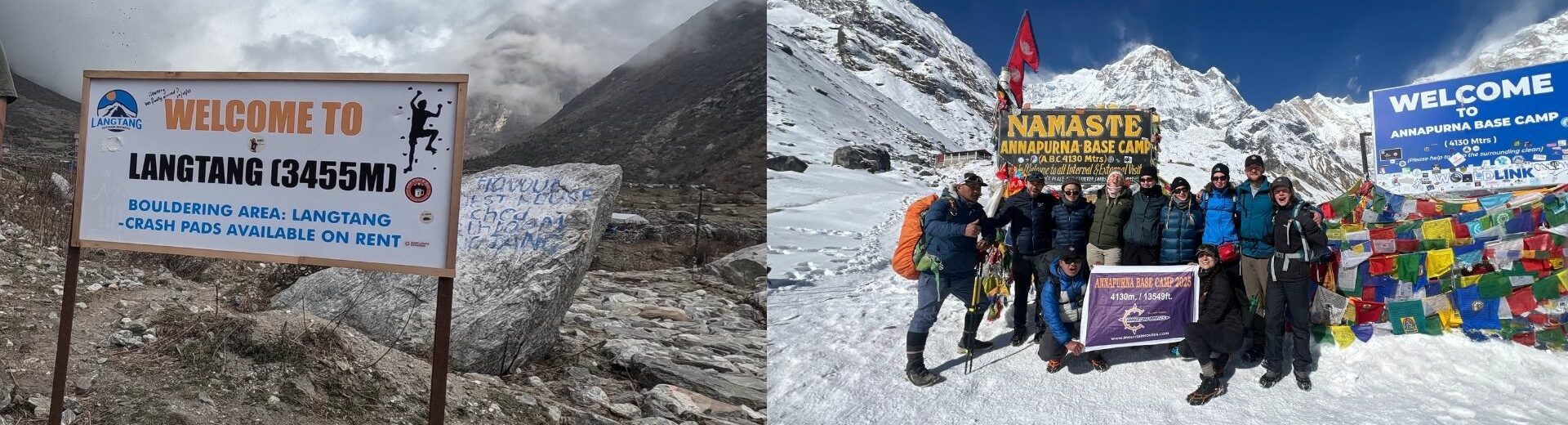
Langtang Valley Trek VS. Annapurna Base Camp Trek
Are you torn between two of Nepal’s most spectacular trekking destinations? The choice between the Langtang Trek and the Annapurna Base Camp Trek can be overwhelming, especially when both promise breathtaking mountain vistas, rich cultural experiences, and unforgettable adventures in the heart of the Himalayas. Whether you’re a first-time trekker seeking your inaugural Himalayan experience or a seasoned adventurer looking to explore Nepal’s diverse landscapes, understanding the key differences between the Langtang Trek and Annapurna Base Camp Trek is crucial for making the right decision. Both treks offer unique perspectives of Nepal’s majestic peaks, but they differ significantly in terms of difficulty, duration, scenery, and cultural immersion.
Langtang Trek at a Glance
The Langtang Trek stands as one of Nepal’s most accessible and rewarding high-altitude adventures, often called the “Valley of Glaciers.” It is located just 51 kilometres north of Kathmandu. This trek offers an intimate glimpse into traditional Tamang culture while providing spectacular views of the Langtang range, Ganesh Himal, and Tibetan peaks.
Key Statistics:
- Duration: 5-7 days
- Maximum Altitude: 4,984 meters (Tserko Ri viewpoint)
- Total Distance: Approximately 65 kilometres round trip
- Difficulty Level: Moderate
- Best Seasons: March-May and September-November
- Starting Point: Syabrubesi ( 1,550m)
- Main Highlights: Kyanjin Gompa, Tserko Ri, Langtang Village, and pristine glacial valleys
The Langtang Trek follows the Langtang River valley, gradually ascending through diverse landscapes from subtropical forests to alpine meadows and glacial moraines. The trail passes through traditional Tamang villages, ancient monasteries, and yak pastures, offering trekkers an authentic cultural experience alongside stunning natural beauty. The trek’s relatively short duration makes it perfect for those with limited time who still want to experience the Himalayas.
Annapurna Base Camp Trek at a Glance
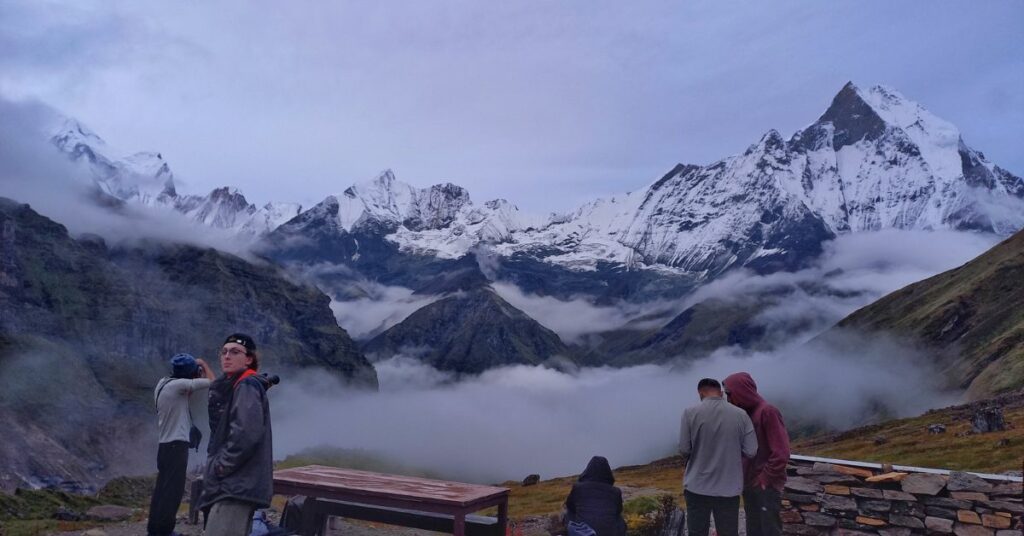
The Annapurna Base Camp Trek, often called the ABC Trek, is renowned for its incredible diversity of landscapes. This trek takes you into the heart of the Annapurna Sanctuary, a natural amphitheater surrounded by towering peaks, including Annapurna I (8,091m), Machapuchare (6,993m), and Hiunchuli (6,441m).
Key Statistics:
- Duration: 7-12 days (depending on route and pace)
- Maximum Altitude: 4,130 meters (Annapurna Base Camp)
- Total Distance: Approximately 110 kilometres round trip
- Difficulty Level: Moderate to challenging
- Best Seasons: March-May and September-November
- Starting Point: Pokhara
- Main Highlights: Poon Hill sunrise, Annapurna Base Camp arena, diverse ecosystems, and Gurung culture
The ABC Trek is famous for its remarkable variety. It takes the trekkers through subtropical forests filled with rhododendrons, terraced farmlands, traditional villages, bamboo forests, and finally into the high-altitude sanctuary. It is surrounded by some of the world’s most beautiful peaks. The trek offers multiple route options, allowing for customisation based on time availability and preference for crowds or solitude.
Trek Difficulty Comparison – Langtang vs ABC Trek Difficulty
The Langtang and Annapurna Base Camp treks both offer moderate difficulty levels. However, they both differ in terrain, altitude, and physical demands, making each suited to different trekking preferences.
Langtang Trek Difficulty Level
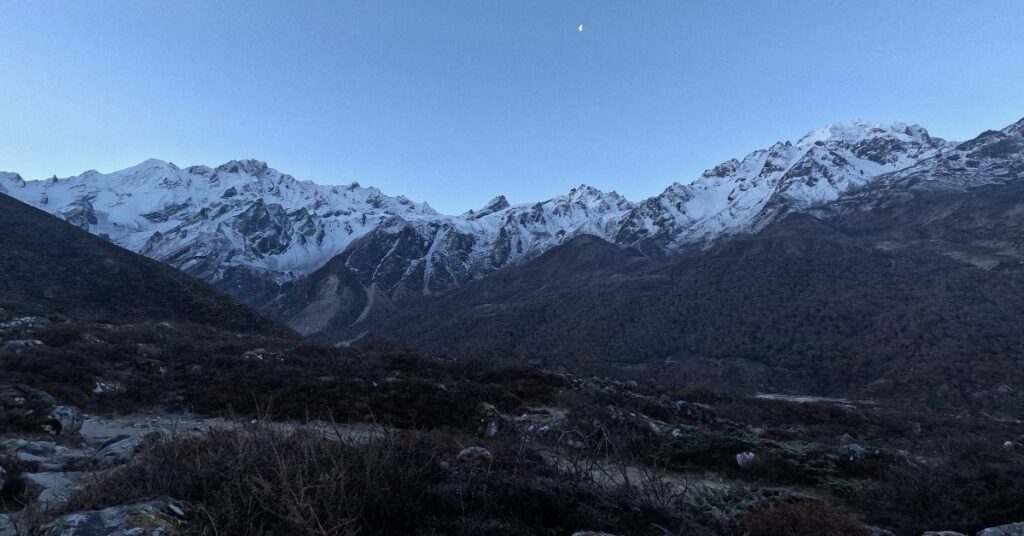
The Langtang Trek is generally considered more straightforward and forgiving for beginners. The trek follows a single valley system, making navigation simple and reducing the complexity of route planning. The Langtang trek involves manageable physical demands, with daily walking times averaging 4 to 6 hours. The trail offers a gradual altitude gain, allowing for better acclimatisation and reducing the risk of altitude sickness. Compared to the Annapurna Base Camp trek, Langtang presents less technical terrain and a steadier uphill gradient without extreme steep climbs, making it suitable for beginners or those seeking a more moderate trekking experience.
The trek reaches its highest point at Tserko Ri (4,984m), which is higher than ABC, but the approach is more gradual. Most trekkers spend 2-3 nights at Kyanjin Gompa (3,870m) for proper acclimatisation before attempting the viewpoint climb. The risk of altitude sickness is present but manageable with proper pacing.
ABC Trek Difficulty Assessment
The ABC Trek presents a more varied and challenging experience. The Annapurna Base Camp trek comes with greater demands on physical fitness and endurance. The trek involves more sustained climbing, longer daily stages, and more technical terrain in certain sections. The ABC trek involves 5–8 hours of trekking daily with major elevation changes and rugged stone staircases. You’ll traverse varied terrain from subtropical forests to alpine landscapes, crossing rivers and suspension bridges. Technical challenges include steep ascents, narrow ridgelines, and slippery, muddy trails.
While ABC’s maximum altitude (4,130m) is lower than Langtang’s Tserko Ri, the approach involves more dramatic elevation changes. The final push to base camp involves a steep climb from Machapuchare Base Camp (3,700m). This rapid altitude gain can be challenging for some trekkers.
Which Trek is Easier for Beginners?
For first-time Himalayan trekkers, the Langtang Trek generally offers a more forgiving introduction to high-altitude trekking. The shorter duration, clearer trail conditions, and gradual altitude profile make it an excellent choice for building confidence and experience. However, motivated beginners with good fitness levels and adequate preparation can successfully complete the ABC Trek. The key is honest self-assessment and proper preparation, regardless of which trek you choose.
Langtang Advantages for Beginners:
- Shorter time commitment reduces physical and mental strain
- Single-valley approach simplifies navigation
- Gradual altitude gain allows better acclimatisation
- Less crowded trails provide a more peaceful experience
- Lower overall cost makes it budget-friendly
ABC Considerations for Beginners:
- Longer duration requires sustained physical effort
- More complex route planning and navigation
- Greater altitude variations demand careful acclimatisation
- Higher accommodation and food costs
- More crowded trails, especially during peak season
Optimal Season for Langtang and ABC Trek
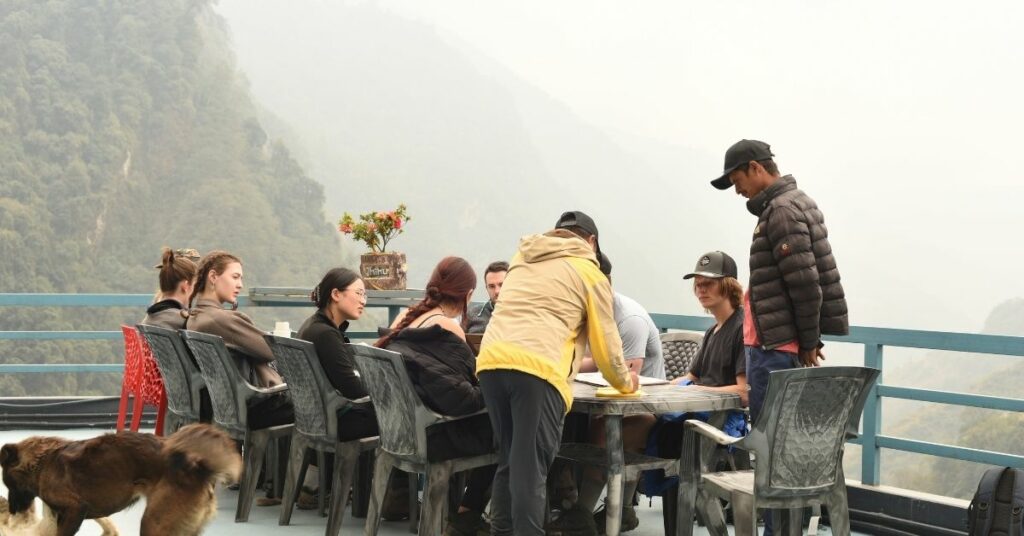
The right time for your trek significantly impacts your experience. You have to carefully consider weather conditions and visibility, trail accessibility, and accommodation availability.
Langtang Trek Seasonal Guide
The Langtang Trek is best undertaken in spring (March–May) or autumn (September–November). This time is when the weather in Langtang is stable, skies are clear, and trails are dry. It is ideal for enjoying vibrant rhododendron blooms or post-monsoon mountain views. Spring offers mild temperatures (15–20°C by day) and blooming forests, while autumn brings crisp air, excellent visibility, and ideal trekking conditions, though with more crowds. Winter (December–February) offers solitude and snow-covered landscapes but comes with freezing temperatures and limited lodge availability. At the same time, the monsoon season (June–August) is least recommended due to heavy rains, slippery trails, and the risk of landslides.
Trek to ABC Timing Recommendations
Spring (March–May) and autumn (September–November) are the best seasons for the Annapurna Base Camp Trek. Spring transforms the lower trails with vibrant rhododendron blooms and mild weather, though snow may still linger at higher elevations. Temperatures range from 5°C to 25°C, depending on altitude. While the afternoons may see some cloud buildup, conditions are generally favourable. Autumn is the most popular time, known for its crystal-clear mountain views, stable weather, and optimal trail conditions following the monsoon. With full lodge services available in both seasons, trekkers should still be prepared for varied climates and changing weather due to the trek’s wide elevation range.
Scenic Beauty and Highlights Comparison
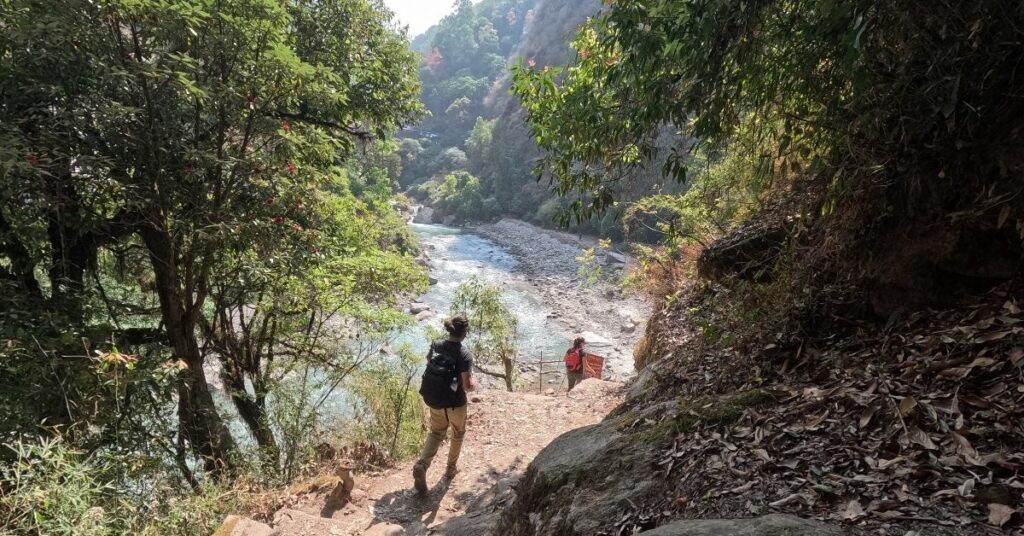
Both treks offer spectacular scenery, but their highlights differ significantly, appealing to different aesthetic preferences and interests. You need to understand the scenic surroundings for both treks to choose on the basis of the beauty of both treks.
Langtang Trek Natural Wonders
The Langtang Trek’s beauty lies in its pristine valley setting, intimate mountain views, and rich cultural tapestry. The trek offers a more focused experience, concentrating on the unique characteristics of the Langtang region. The Langtang Valley presents a classic U-shaped glacial valley with dramatic walls rising on both sides. Kyanjin Gompa Cultural Hub is the next attraction on the trek to Langtang, which is surrounded by prayer flags and situated beneath towering peaks. Kyanjin Gompa offers insight into traditional Tibetan Buddhist culture.
Similarly, Tserko Ri rewards trekkers with stunning 360° Himalayan views, especially magical at sunrise. Langtang National Park is rich in wildlife like red pandas and colourful forests that shift with altitude. Tamang villages offer deep cultural immersion, showcasing local traditions and post-earthquake resilience.
Annapurna Base Camp Trek Highlights
The ABC Trek’s strength lies in its incredible diversity, taking trekkers through multiple ecosystems and offering varied mountain perspectives. This trek provides a comprehensive Himalayan experience within a single journey. This trek takes trekkers through lush rhododendron forests, traditional Gurung and Magar villages, and varied climate zones from subtropical to alpine. The journey culminates in the awe-inspiring Annapurna Sanctuary, a stunning natural basin encircled by giants like Annapurna I, Machapuchare, and Hiunchuli.
Along the way, springtime rhododendron blooms light up the hillsides, and cultural encounters in villages like Chomrong and Ghandruk deepen the connection to the region. For a bonus, many opt to include Poon Hill for breathtaking sunrise panoramas of the Annapurna and Dhaulagiri ranges.
Cost Comparison – Budget Planning for Both Treks
While both the Langtang and Annapurna Base Camp (ABC) treks are relatively affordable compared to other global trekking destinations, they differ in terms of duration, logistics, and cost structure. Below is a detailed breakdown to help you understand where your money goes on each trek and decide which option best fits your travel style and financial plan.
| Expense Category | Langtang Trek | ABC Trek |
| Permit Costs | $40–50 USD | $40–50 USD |
| Accommodation (Total) | $30–90 USD | $80–200 USD |
| Food & Drinks (Total) | $105–175 USD | $220–385 USD |
| Transportation | $16–240 USD (bus/private vehicle) | $50–450 USD (bus/flight/taxi combo) |
| Guide & Porter | $25-35 USD per day | $30-40 USD per day |
| Total Budget Estimate | $500–750 USD (guided mid-range) | $750–1,200 USD (guided mid-range) |
Money-Saving Tips for Both Treks
You can save your the expenses of both treks with some general cost-cutting strategies:
- Trek during shoulder seasons (early March, late November) for lower accommodation prices
- Share rooms with fellow trekkers to split costs
- Eat local dishes instead of international cuisine
- Carry your own snacks and water purification tablets
- Book through a reputable travel agency directly
Langtang-Specific Savings:
- Take local buses to Syabrubesi instead of private vehicles
- Consider staying in Kathmandu before and after instead of paying for Syabrubesi accommodation
- Purchase supplies in Kathmandu rather than on the trail
ABC Trek Savings:
- Fly to Pokhara only one way, take the bus for the return journey
- Avoid the Poon Hill detour if budget is tight
- Consider the shorter Annapurna Base Camp route from Nayapul
Accommodation and Food Options
The quality and variety of accommodation and dining options significantly impact your trekking experience. Both treks offer teahouse-style accommodation, but with notable differences in standards and variety.
Langtang Trek Teahouses
Langtang Trek accommodation reflects the valley’s more remote and traditional character. The teahouses are generally simpler but offer authentic mountain hospitality and cultural immersion. There are basic rooms with twin beds and shared bathrooms, and limited hot water availability. Common dining areas with wood-burning stoves are available. Higher altitude lodges may have more basic facilities and limited electricity.
Food Varieties:
The Langtang Trek menu is more limited but focuses on hearty, warming meals suitable for high-altitude trekking:
- Breakfast Options: Tibetan bread, pancakes, porridge, eggs, tea, coffee
- Lunch/Dinner: Dal bhat (rice and lentils), noodle soups, momos (dumplings), fried rice, pasta
- Local Specialties: Yak cheese, tsampa (roasted barley flour), butter tea
- Beverages: Local tea, coffee, hot chocolate, soft drinks
Annapurna Base Camp Trek Lodge Network
The ABC Trek benefits from a more developed lodge network due to higher trekker volumes and longer tourism history. This translates to more variety in accommodation standards and dining options. There are budget teahouses with basic amenities and mid-range lodges with better facilities. Consistent electricity and charging facilities are available with better insulation and heating systems. WiFi connectivity is also available in most locations.
Diverse Dining Options
The ABC Trek offers more international cuisine options alongside traditional Nepali dishes:
- Breakfast: Continental options, fresh fruit, yogurt, variety of breads
- Lunch/Dinner: Expanded menu including pizza, burgers, steaks, and vegetarian options
- International Cuisine: Italian, continental, Chinese, and Indian dishes
- Local Specialties: Gurung and Magar traditional foods
- Beverages: Wider selection,including beer and local spirits
Transportation and Accessibility
The journey to the trailheads plays a key role in planning both treks, as transportation logistics differ significantly. While the Langtang Trek starts from Syabrubesi, a full-day drive from Kathmandu, the Annapurna Base Camp Trek begins near Pokhara, which involves a shorter approach but may require a domestic flight or bus ride from the capital. These differences impact not only time and convenience but also your overall budget and itinerary flexibility.
Getting to Langtang Trek
The Langtang Trek’s proximity to Kathmandu makes it highly accessible, though the journey to the trailhead involves mountain road travel. You can take the Langtang Kathmandu to Syabrubesi Route to reach Langtang. The journey to Syabrubesi, the Langtang Trek starting point, covers approximately 117 kilometres and takes 6-8 hours, depending on road conditions and traffic. You can take a local bus, a tourist bus, a private Jeep/Car, or a shared jeep.
ABC Trek Starting Points
The ABC Trek offers multiple starting points and approach routes, providing flexibility based on time availability and preferences. Most trekkers first travel to Pokhara, Nepal’s adventure capital, before heading to the trailhead. You can travel to ABC by local bus, tourist bus, domestic flights, or private vehicle. The Annapurna Base Camp trek via Nayapul is the most common and accessible starting point, offering a scenic route through diverse landscapes and traditional villages.
Permits and Regulations
It is essential to know the permit requirements and regulations for legal trekking and avoid complications during your journey. Both treks require specific documentation and have different regulatory frameworks.
Langtang Trek Permits
The Langtang Trek falls within Langtang National Park and requires specific permits for entry and trekking activities. You can easily get these permits from your travel agency.
Required Permits:
- Langtang National Park Entry Permit: $30 USD for foreign nationals
- TIMS Card (Trekkers’ Information Management System): USD 10 for independent trekkers, $USD 20for organized group trekkers
Important Notes:
- Keep permits safe and dry in waterproof containers
- Photocopies recommended as backup
- Permit validity covers the entire Langtang region
- Additional permits are required for side trips to restricted areas
ABC Trek Permits and Documentation
The ABC Trek requires permits for the Annapurna Conservation Area, which has different regulations and fee structures. These permits help authorities keep track of trekkers for safety and rescue purposes.
Essential Permits:
- ACAP (Annapurna Conservation Area Permit): USD 30 for foreign nationals
- TIMS Card: $USD 10for independent trekkers, $2USD 20or organized groups
Documentation Requirements:
- Valid passport with at least 6 months remaining validity
- Two passport-sized photographs
- Completed permit application forms
- Travel insurance details (recommended)
Safety and Preparation Tips
The proper preparation and safety precautions are the key to the successful completion of both treks. You have to understand that potential risks and preparation requirements help ensure a safe and enjoyable experience.
Trekking to Langtang: Safety Considerations
The trek to Langtang presents specific challenges related to altitude, weather, and remote location factors. It involves navigating rugged terrain, high elevations, and unpredictable mountain weather. The trek to Langtang is comparatively moderately challenging and demands proper preparation and awareness.
Risks during the Trek:
- Altitude-Related Risks while climbing Tserko Ri
- Gradual acclimatization is essential above 3,000 meters
- Weather Hazards, such as sudden weather changes
- Rockfall potential in certain sections
- Wildlife encounters (bears, wolves) in remote areas
- Limited communication facilities at higher elevations
Emergency Preparedness:
- A comprehensive first aid kit is essential
- Emergency communication devices are recommended
- Travel insurance with helicopter evacuation coverage
- Emergency contact information and evacuation procedures
- Helicopter evacuation is possible, weather permitting
ABC Trek Precautions
The ABC Trek’s longer duration and more complex route present different safety considerations requiring specific preparation and awareness. As the trek ascends above 4,000 meters, the risk of altitude sickness increases, making proper acclimatization and hydration critical. The preparation for the ABC trek needs to consider the changing weather conditions, especially at higher elevations.
Physical Preparations:
- Cardiovascular fitness is essential for long daily stages
- Endurance training for multi-day efforts
- Proper footwear is crucial for varied terrain
Altitude Management:
- A gradual ascent profile is generally favourable for acclimatisation
- Final push to ABC requires careful planning
- Recognition of altitude sickness symptoms
- Flexible itinerary for acclimatisation days
Which Trek Should You Choose?
Making the final decision between the Langtang Trek and the ABC Trek depends on various personal factors, preferences, and circumstances. Here is a detailed guide to help you choose the perfect trek for your situation.
Choose Langtang Trek If:
- Time Constraints: Langtang is ideal for trekkers with limited time, offering a complete Himalayan experience in just 5–7 days.
- Budget Considerations: It’s a more economical trek with lower costs for accommodation, food, and transportation.
- Seeking Solitude: Langtang’s quieter trails provide a more peaceful, less crowded trekking environment.
- Cultural Immersion Priority: The Langtang region offers authentic insights into Tamang culture and Buddhist traditions.
- First-Time Himalayan Experience: Langtang is beginner-friendly with manageable altitude gains and a shorter overall duration.
- Accessibility Preference: It features a relatively short and direct road trip from Kathmandu to the trailhead.
Choose ABC Trek If:
- Extended Adventure Seeking: ABC Trek suits those 7 to 12 days who want a fuller Himalayan journey. You can also choose the 5-day itinerary of the ABC trek.
- Diversity Enthusiast: It offers a scenic mix of forests, alpine zones, and glacier basins.
- Photography Priorities: The trek to ABC provides dramatic mountain views and vibrant cultural scenes ideal for photography.
- Base Camp Experience: Trekking to Annapurna Base Camp delivers the iconic Himalayan base camp experience surrounded by towering peaks.
- Comfort Level Preferences: Well-developed teahouses and food options along the route provide comfort and convenience.
- Group Trekking: The popular ABC route offers more chances to join group treks and connect with fellow travelers.
Final Recommendations For Both Trekking
Both the Langtang Trek and the Annapurna Base Camp Trek offer exceptional experiences that showcase Nepal’s natural beauty and cultural richness. Your choice ultimately depends on personal preferences, available time, fitness level, and adventure goals.
For Maximum Satisfaction:
- Choose Langtang if you value authenticity, cultural immersion, and efficient use of time.
- Select ABC if you prefer diversity, longer adventures, and iconic mountain experiences.
- Consider your fitness level honestly and choose accordingly.
Preparation Essentials: Regardless of your choice, proper preparation is crucial for success:
- Physical fitness training 6-8 weeks before departure
- Quality gear selection and testing
- Comprehensive travel insurance with evacuation coverage
- Mental preparation for challenges and altitude effects
Making It Memorable:
- Engage with local communities respectfully
- Practice Leave No Trace principles
- Document your journey through photography and journaling
- Remain flexible with itineraries and weather changes
Future Considerations
Many trekkers find that completing one trek successfully leads to planning the other. So, for that, you can consider your first trek as an introduction to Nepal’s incredible trekking opportunities, with many more adventures awaiting future visits. You can also go through the travel guide to the Langtang trek for the required information you are searching for.
Similarly, you can also prepare for the Annapurna Base Camp trek accordingly. Remember that both treks offer life-changing experiences that will provide lasting memories. Mountain Routes is here to help you arrange your permits and all trekking itineraries. You can enjoy your trekking fullest with us. You can directly contact us for further inquiries.
Frequently Asked Questions
Can I do both treks in one trip?
Yes, it is possible to combine both the Langtang Trek and the ABC Trek in a single trip to Nepal, though it requires significant time, physical fitness, and proper budget planning.
What is the difference between the ABC and Langtang trek?
The Annapurna Base Camp (ABC) trek offers more altitude, diverse landscapes, and denser tourist infrastructure. The Langtang trek is shorter, quieter, and more culturally immersive with Tamang heritage.
Is ABC tougher than EBC?
No, Everest Base Camp (EBC) is generally tougher due to higher altitude (~5,364m vs. ABC’s 4,130m), longer duration, and more remote conditions. ABC is challenging but more manageable for beginners.
Which trek has better mountain views?
ABC provides closer views of Annapurna I, Machapuchare, and Hiunchuli in a dramatic alpine setting. Langtang offers stunning, less-crowded panoramas of Langtang Lirung, Ganesh Himal, and distant Tibetan peaks.
Are guides necessary for these treks?
As of recent regulations, a licensed guide is mandatory for most treks in Nepal. It includes both ABC and Langtang for safety and permit compliance.
What’s the minimum fitness level required?
You need moderate fitness, and you must be able to walk 5–7 hours daily on uphill/downhill terrain. Prior hiking experience is helpful but not essential, with proper pacing and preparation.
How far in advance should I book?
For peak seasons (spring and autumn), book at least 1–2 months in advance for permits, guides, and accommodation. Especially if joining a group or arranging logistics from abroad.





 Chat on WhatsApp