
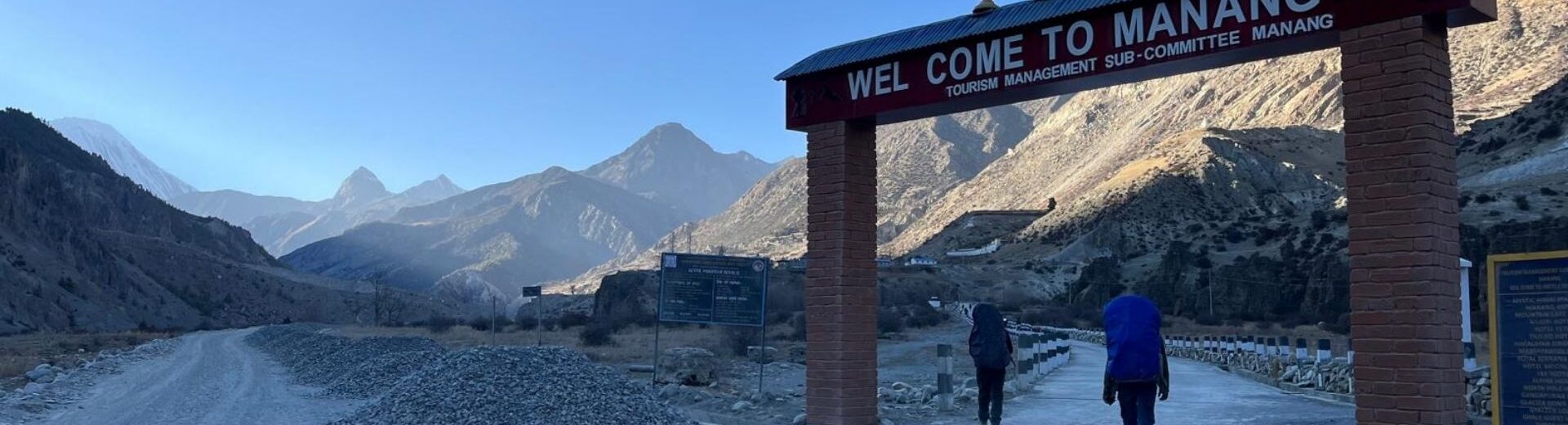
Manang Village: Trekker’s Rest Stop on the Annapurna Circuit
Imagine standing on a high Himalayan trail. The air is crisp and thin. Colourful prayer flags flutter against a sky so blue it feels unreal. You’ve reached Manang Village, perched at 3,519 metres in Nepal’s Manang District. This high-altitude village isn’t just scenic, it plays a vital role in one of the world’s most iconic trekking routes.
Every year, more than 190,000 trekkers venture into the Annapurna region, drawn by its towering peaks, glacial rivers, and ancient trails. For many, it’s a once-in-a-lifetime journey filled with both challenge and beauty.
During the Annapurna Circuit trek, some push too hard and too fast, only to be turned back by altitude sickness. This is where Manang becomes essential. It gives your body the time it needs to adjust. You rest here, sleep high, hike even higher, and prepare for the climb toward Thorong La Pass.
Surrounded by glacial lakes, sheer cliffs, and centuries-old monasteries, Manang leaves a lasting impression. It’s quiet and purposeful, rich with stories and tradition. What begins as a recovery stop becomes a meaningful part of your adventure.
Where Is Manang Located in Nepal?
Manang lies in the heart of Nepal’s trans-Himalayan region, within the Manang District of Gandaki Province. At 3,519 metres above sea level, the village rests in a broad valley shaped by the Marsyangdi River and shielded by the Annapurna and Gangapurna ranges.
This location places it directly along the Annapurna Circuit, making it one of the last major settlements before trekkers cross the formidable Thorong La Pass. The dry, high-altitude climate offers sharp blue skies, dusty trails, and crystal-clear mountain views. While remote, Manang is accessible, especially during peak trekking seasons.
The area is deeply influenced by Tibetan Buddhist culture. Monasteries, chortens, and prayer wheels are scattered across the village. Locals speak Tibetan dialects, herd yaks, and live lives shaped by seasons, rituals, and the rhythm of the trail.
Manang a Key Stop on the Annapurna Circuit and Other Treks
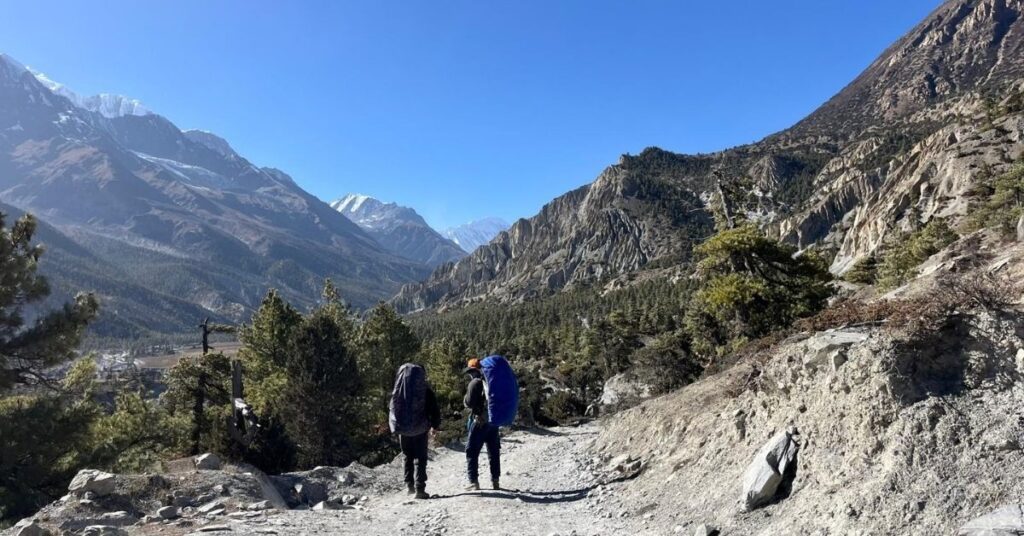
Manang is more than a scenic pitstop, it’s the beating heart of several key Himalayan treks. Here’s why it matters:
Most trekkers on the Annapurna Circuit spend 2–3 nights in Manang to acclimatize before pushing toward Thorong La Pass. At this altitude, your body needs time to adjust. And this village is perfectly suited for it.
Manang also connects to:
- Tilicho Lake Trek: A popular side route leading to the world’s highest glacial lake at 4,919 metres.
- Nar–Phu Valley Trek: A detour into ancient, untouched villages for those seeking isolation and heritage.
- Pisang Peak Climb: A 6,091-metre trekking peak, reached via trails near Manang, ideal for adventurers seeking more altitude.
- Short Cultural Walks: From Braga to Khangsar, nearby villages offer close-up views of local life and history.
With modern teahouses, medical clinics, acclimatisation trails, and food supply points, Manang supports trekkers both practically and mentally.
Things and Activities to Do in Manang
Your rest days in Manang are not for sitting still. They’re a chance to explore the high Himalayas, give your body time to adjust, and enjoy everything this unique mountain village has to offer. Short hikes and cultural experiences help you acclimatise while making your stay memorable.
Hike to Gangapurna Lake and Glacier Viewpoint
This short and scenic walk takes you to a glacial lake at the base of the Gangapurna Icefall. The milky-blue water and dramatic backdrop of snow-covered peaks make it a perfect morning hike. It’s ideal for a gentle altitude gain and offers great photo opportunities.
Climb to Ice Lake (Kicho Tal)
One of the best high-altitude hikes in the area, Ice Lake sits at around 4,600 metres. This 5 to 6-hour roundtrip is physically demanding, but the panoramic views of Annapurna and Tilicho peaks are unmatched. It’s one of the most effective ways to prepare your lungs for the upcoming pass.
Visit Praken Gompa
Located at 3,945 metres, this hilltop monastery offers sweeping views of the Manang Valley. The trail is steep but rewarding. Trekkers often receive blessings from the resident monk before crossing Thorong La Pass. It’s a peaceful place to reflect and enjoy the silence of the mountains.
Explore Milarepa’s Cave
Above the village of Braga, you can hike to a sacred meditation cave linked to the Tibetan saint Milarepa. The trail is quiet and spiritual, with breathtaking scenery along the way. It’s a less crowded path that connects you to centuries-old legends.
Wander Through Old Manang and Braga
The old parts of Manang and nearby Braga are full of charm. Narrow stone alleys, spinning prayer wheels, and traditional Tibetan homes tell stories of a slow, mindful life at altitude. It’s a relaxed way to experience the local culture and daily rhythms.
Attend the HRA Altitude Talk
The Himalayan Rescue Association in Manang hosts a free daily session about altitude sickness. It’s a must-attend event, especially if this is your first high-altitude trek. You’ll learn practical, potentially life-saving tips from trained medical staff.
Try Local Food and Yak Cheese
Fuel up with traditional high-energy foods like Dal Bhat, buckwheat pancakes, and hearty Thukpa soup. Don’t miss the locally made yak cheese: rich, creamy, and perfect for tired trekkers. Meals in Manang are both comforting and functional.
Watch a Film with Fellow Trekkers
For a relaxed evening, you can visit one of Manang’s movie halls. Films about mountaineering or travel are often shown. It’s a fun way to rest, connect with other trekkers, and enjoy a warm indoor setting.
Every activity in Manang has a purpose. Some challenge your legs, others teach you something new, and many offer quiet reflection. Together, they help you acclimatise, recover, and stay motivated for the trail ahead.
Practical Information for Visiting Manang
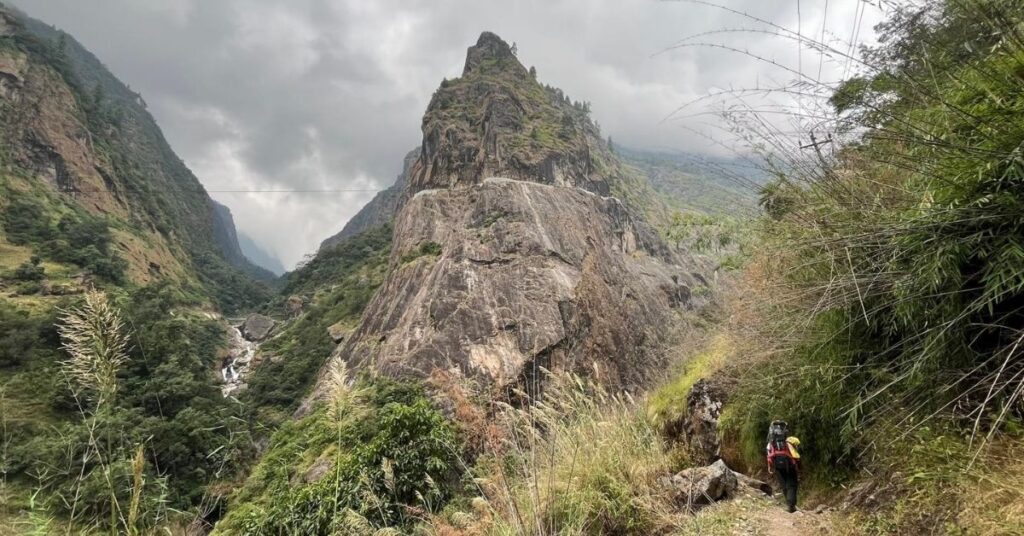
Good planning makes your trek smoother. You will need to get the right permits and know what to expect from teahouses.
Knowing these details helps you have a worry-free adventure. Here is what you need to know about permits and accommodation in the Manang district.
Permits Required (ACAP, TIMS)
You must get your permits before you start trekking. Also, you will need to show them at checkpoints along the trail.
You need the Annapurna Conservation Area Permit (ACAP). The money from this permit helps protect the area’s nature and culture. You also need to hire a licensed guide. Trekking alone is no longer allowed on most routes. Your guide’s agency will handle all the official paperwork for you.
Additionally, Trekkers’ Information Management System (TIMS) Card is required for most trekking regions in Nepal and helps to ensure the safety and security of trekkers.
Both permits can be obtained in Kathmandu or Pokhara from the Nepal Tourism Board office or registered trekking agencies.
Accommodation and Teahouse Facilities
Teahouses in Manang village are quite comfortable. You will find many good options for your stay.
The lodges here are nicer than in the lower villages. You can find simple rooms or rooms with your own bathroom. Most places offer hot showers and Wi-Fi for a small fee. The restaurants serve tasty Nepali and Western food to help you refuel.
Best Time for Trekking and Sightseeing
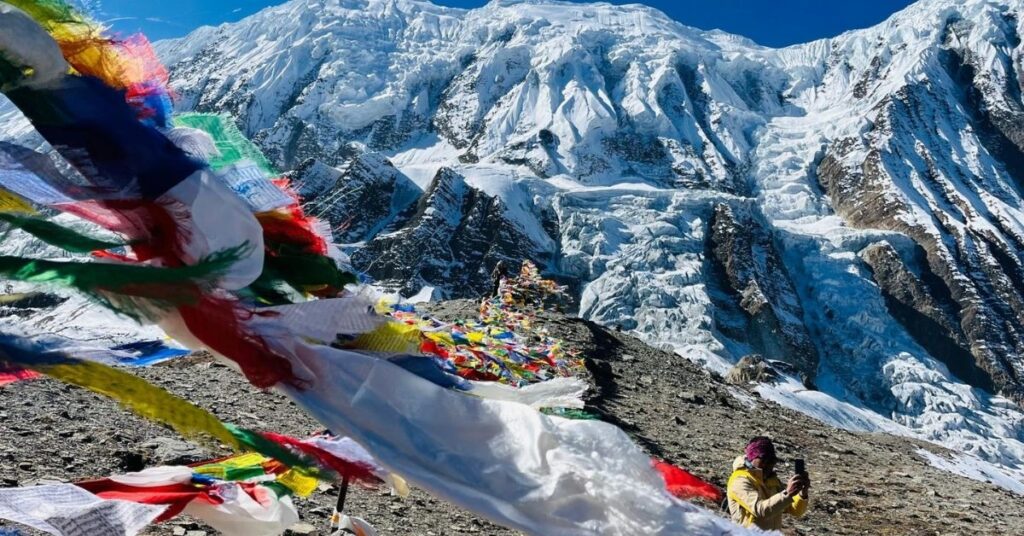
Choosing the right season is key to a great trek. The weather in the Himalayas affects the trails and the mountain views.
Spring and autumn are the best seasons for the Manang Annapurna circuit. Planning your trip for these times means safer trails and clear skies.
- Autumn (September to November): This is the most popular time. The air is fresh and the sky is clear. You get amazing views of the snowy peaks. The weather is dry and stable.
- Spring (March to May): This is another great season. The weather is warmer. You will see beautiful rhododendron flowers in the lower parts of the trek.
Acclimatization Tips for Manang
Getting used to the altitude is the most important part of a safe trek. It is vital to go slowly and listen to your body.
Manang is the perfect place to practise this. Follow these simple tips to help your body adjust. This will get you ready for the tough climb over the Thorong La Pass.
- Climb High, Sleep Low: This is the best rule for acclimatisation. During your rest day, hike to a higher place. Then come back down to Manang to sleep.
- Stay Hydrated: Drink at least three to four litres of water each day. Not drinking enough can make altitude sickness worse. Avoid alcohol.
- Go Slow: Walk at a slow, steady pace. There is no need to rush. This helps you save energy and breathe easier.
- Eat Well: Your body needs lots of energy at high altitudes. Eat plenty of foods like pasta, rice, and potatoes.
Make Manang a Highlight of Your Annapurna Circuit Journey
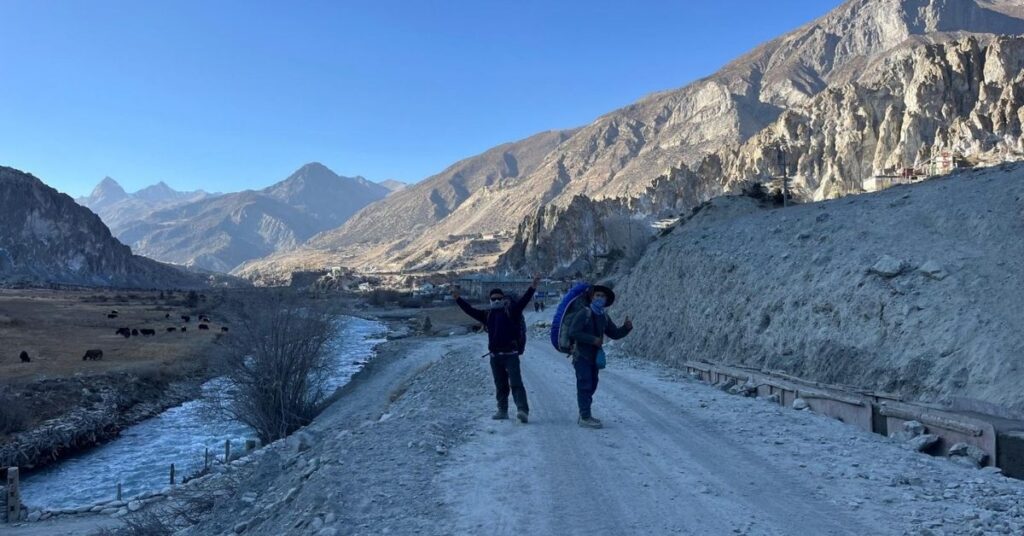
Manang is more than just a place to rest. It is the heart of the upper Annapurna region. It is where you can safely prepare for the adventure ahead. You will be surrounded by amazing beauty.
By exploring Manang, you make your trek even more special. The crisp air, tall peaks, and friendly people will refresh you. It is a chance to connect with the Himalayas in a real way.
Feeling inspired but not sure where to start with the planning? The details can feel overwhelming when a Himalayan adventure is on the line. Explore our safe, fully guided Annapurna region treks. Start planning your journey with our expert team today!
FAQs About Visiting Manang
Which month is best to visit manang?
The best months are October and November, or April and May. The weather is great and the mountain views are clear.
Where Is the best starting point for the Annapurna Circuit?
The trek officially starts in Besisahar. But most people take a jeep further up the trail to a village like Chame to start walking.
Which is better for trekking, Manang or Mustang?
They are both amazing but different.
- Manang: Has diverse views, from green forests to high, dry land.
- Mustang: Is a dry, desert-like area with a strong Tibetan culture.
How to travel to Manang from Kathmandu or Pokhara?
To travel Manang from Kathmandu or pokhara, You can:
- Take a bus or jeep to Besisahar.
- From there, take another jeep up the mountain road to Chame.
- Walk for two days from Chame to reach Manang village. This is the best way to acclimatise.





 Chat on WhatsApp