
10 Most Challenging Treks in Nepal
Nepal, the land of the 14 highest peaks above 8000 meters, has established itself as a top destination for mountaineering, trekking, and adventure tourism. Along with the towering peaks, Nepal is also rich in a diverse landscape, and remote valleys and it also offers the most breathtaking and rewarding treks on the planet. From the iconic Everest region to the rarely visited corners of Upper Dolpo, Nepal offers a diverse range of exciting treks that satisfy different adventurers and trek enthusiasts. If you are seeking the ultimate thrill, then Nepal has moderate to challenging treks that will fulfill you in every possible way.
Nepal provides an experience unlike any other, whether it’s climbing high mountain passes, discovering stunning alpine lakes, or immersing yourself in the unique cultures of remote Himalayan communities. Let us discover the top 10 most challenging treks in Nepal.
10 Most Challenging Treks in Nepal
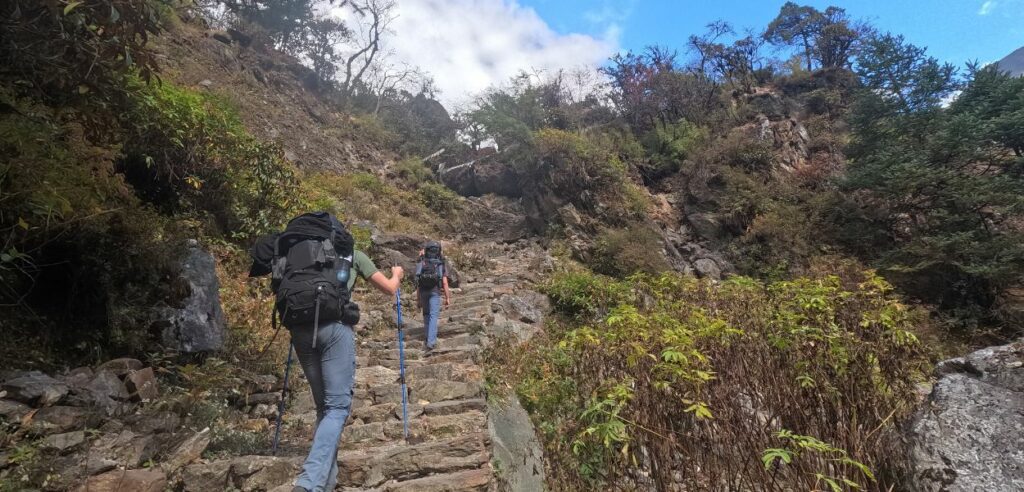
Here are 10 of the most challenging treks Nepal has to offer, each a unique test of human capability:
- Everest Three Passes Trek
- Kanchenjunga Base Camp Trek
- Manaslu Circuit Trek
- Upper Dolpo Trek
- Makalu Base Camp Trek
- Nar Phu Valley Trek
- Tsum Valley Trek
- Dhaulagiri Trekking Circuit
- Annapurna Circuit Trek
- Gokyo and Renjo La Pass Trek
Everest Three Passes Trek
Everest Three High Passes Trek passes three high passes. They are Kongma La (5,535m/18,156 ft), Cho La (5,360m/17,590 ft), and Renjo La (5,360m/17,590 ft). It offers the most challenging and rewarding experience with stunning panoramic views of Everest, Lhotse, Ama Dablam, and other iconic Himalayan peaks. Unlike the standard Everest Base Camp trek, it creates a comprehensive journey through the Khumbu region that tests trekkers with technical terrain, extreme altitude, and rapidly changing conditions.
The Three Passes Trek typically spans 18 to 19 days, beginning and ending in Lukla after a dramatic mountain flight from Kathmandu. Each day, due to the elevation change, trekkers navigate through diverse landscapes from forested valleys to high alpine terrain above 5,000 meters. This is a circuit trek that explores the remote and rugged terrain surrounding Mount Everest. Between the three passes, trekkers visit Sherpa villages like Dingboche, Lobuche, Dzongla, Gokyo, and Thame, experiencing both the touristed and less-visited areas of the Khumbu region.
Challenges for Trek
- High Altitude: The multiple high passes above 5,300m create serious altitude challenges, requiring excellent acclimatization and fitness.
- Technical Terrain: The trails can be steep, rocky, and icy, requiring good physical fitness and preparation. Navigating moraines, glaciers, and potentially snowy sections adds another layer of difficulty.
- Unpredictable Weather: Snow, wind, and sudden temperature drops are common. Prepairing for all conditions is essential.
- Physical Demands: This trek is physically demanding, requiring long days of hiking at high altitudes. Excellent physical fitness and endurance are essential.
Tips for Success
Success on the Three Passes Trek demands thorough preparation and strategic planning. A carefully designed itinerary with adequate acclimatization days is essential.
- Acclimatize Properly: Proper acclimatization is very essential for a safe and enjoyable journey. You have to listen to your body and descend if you experience symptoms of AMS.
- Pack Appropriately: Bring high-quality trekking gear, including warm layers, waterproof outerwear, sturdy boots, and a good sleeping bag.
- Hire a Guide and Porter: A knowledgeable guide can enhance your experience, provide valuable insights, and ensure your safety. Porters can help carry your gear, making the trek more manageable.
- Train Thoroughly: Prepare for the physical demands of the trek with regular exercise, including cardiovascular training, strength training, and hiking with a weighted pack.
Kanchenjunga Base Camp Trek
The Kanchenjunga Base Camp Trek takes you to the base of the world’s third-highest mountain, Kanchenjunga (8,586m). This is the highly demanding trek that takes you through the Kanchenjunga Conservation Area with its extreme remoteness, sustained duration, and the raw, undeveloped nature of the trail infrastructure. It is a haven of unique flora and fauna where you might also encounter leopards. The trek often involves navigating rough trails, crossing high passes, and enduring unpredictable weather, making it a true test of resilience. This trek is full of the thrills of a true Himalayan expedition.
Major Challenges During Trail to Kanchenjunga
- Remoteness: Kanchenjunga is a remote region with limited infrastructure. Trekkers must prepare for self-sufficiency and potential logistical challenges.
- Navigation Challenges: The trails in the Kanchenjunga region are often less well-marked than in other areas. This can make navigation difficult, particularly in poor weather conditions.
- Cultural and Language Barriers: Kanchenjunga has its unique culture and languages. There may be communication barriers and need to be respectful of local customs and traditions.
- Long Duration: The trek typically takes 20-25 days to complete.
Your Guide to Success
- Thorough Preparation is Key: It is always highly recommended that you hire a guide or porter to assist you throughout the trek. You also have to plan properly for camping equipment and food supplies.
- Secure Necessary Permits in Advance: Kanchenjunga being a restricted area needs special permits. So you have to make sure to have both permits Restricted Area Permit (RAP) and Kanchenjunga Conservation Area Project ( KCAP) permits with you.
- Medical Supplies: A well-stocked medical kit is essential for handling potential health issues.
- Hydration: It is recommended that you drink 3 litres of water per day while trekking at high altitudes.
- Check and Double-Check Gear: Having gear failures in such a remote area can create major problems. Before starting the trek, make sure to check tents, stoves, and all other equipment.
Manaslu Circuit Trek

The Manaslu Circuit Trek is highly challenging and rewarding in Nepal. This 14 to 16-day trek begins in the town of Soti Khola and follows the Budhi Gandaki River through subtropical forests that gradually give way to alpine environments. The trail passes through traditional Gurung villages in lower regions. It offers a similar experience to the Annapurna Circuit but with fewer crowds. After ascending through villages including Jagat, Deng, Namrung, Samagaon, and Samdo, trekkers face the trek’s primary challenge: crossing the Larkya La Pass at 5,106 meters. This trek is suitable for those who love nature and adventure. Manaslu trek is a restricted area, so solo trekking is not allowed.
Difficulties During the Trek
- Limited Infrastructure: Teahouses are more basic than on more popular routes. There are also fewer medical facilities available in the area.
- Unpredictable Weather: In high altitudes, there are sudden changes in the weather that cause thin air and low oxygen levels.
- Demanding Terrain: The trail involves steep ascents and descents, rocky paths, and potential for landslides, especially during the monsoon season.
- Logistics Difficulty: The Manaslu region is a restricted area requiring special permits and organized treks with registered agencies, and a minimum group size (currently two trekkers plus guide). This adds a layer of logistical complexity.
- Physical Challenge: The trek crosses the challenging Larkya La pass at 5,106 meters (16,752 feet), demanding excellent acclimatization strategies.
To Ensure a Smooth Journey
- Acclimatize Properly: Careful acclimatization is essential, particularly before attempting Larkya La Pass. Ascend gradually, take rest days, and stay hydrated.
- Be Prepared for Basic Accommodations: Expect basic tea house accommodations with limited facilities are available.
- Plan for Contingencies: Mountain weather is unpredictable, so be prepared for delays and changes in your itinerary.
- Stay Positive and Flexible: Maintain a positive attitude and be prepared for physical as well as emotional resilience.
Upper Dolpo Trek
The longest trek to Upper Dolpo takes you to the remote and culturally rich area located near the Tibetan border of Nepal. This region of Dolpo is often referred to as the “Forbidden Kingdom.” It is called so because that remained closed to foreigners until 1989. It had very less crowds at that time and still saw fewer visitors in a year than popular routes received in a single day. With multiple high passes exceeding 5,000 meters, the pristine blue waters of Phoksundo Lake, and landscapes that inspired Peter Matthiessen’s classic “The Snow Leopard,” Upper Dolpo offers an experience that borders on true exploration. This trek is a journey through ancient Tibetan culture and untouched landscapes. Ancient monasteries, traditional Tibetan villages along Nepal’s most beautiful lake, Shey Phoksundo Lake are the major highlights of this place.
Obstacle Trekkers Face in Upper Dolpo Trek
- Medical Limitations: Medical facilities are extremely limited or non-existent. In case of serious injury or illness, evacuation can be complex and time-consuming.
- Environmental Hardships: Upper Dolpo is a high-altitude desert, characterized by dry, windy conditions and extreme temperature fluctuations. That leads to health problems
- Dehydration and Discomfort: The climate is extremely dry, leading to increased water loss through respiration and perspiration.
- Wildlife Encounters: While exciting, encounters with wildlife like snow leopards or Himalayan blue sheep can pose potential dangers.
- Natural Hazards: There is a risk of rockfalls and landslides. The risk is high especially during or after periods of heavy precipitation.
Recommendations for Optimal Results
- Physical Fitness: You have to be in excellent physical condition, and train rigorously before the trek.
- Be Prepared for Camping: The Upper Dolpo trek may require camping, so be prepared for that style of trekking.
- Travel Insurance: Ensure your insurance covers high-altitude trekking and emergency evacuations.
- Layered Clothing: Pack for varying weather conditions, including thermal layers, waterproof jackets, and moisture-absorbing base layers.
- Leave No Trace: Pack out all your trash and minimize your environmental impact.
Makalu Base Camp Trek

Another popular challenging trek in Nepal is the Makalu Base Camp Trek. It is the fifth-highest peak (8,485m), offering views of Mt. Makalu, Everest, and Lhotse. This challenging route through the Makalu-Barun National Park offers extraordinary biodiversity and stunning mountain scenery. It is the less frequently attempted trek than other major base camp treks which demands technical hiking skills with excellent fitness. Makalu Trek is mainly known for its biodiversity and stunning mountain views. The trekking route passes through traditional villages of Gurung, Rai, and Sherpa peoples. The base camp sits on a rocky moraine with spectacular views of Makalu’s dramatic south face. During the trek, you’ll encounter various wildlife of the Himalayan like musk deer, snow leopard (extremely rare), and red panda, along with over 400 bird species.
Difficulties To Reach Makalu Base Camp Trek
- Rocky Trials: The trails are often steep, rocky, and uneven, requiring excellent physical fitness and careful navigation.
- Extreme Weather Patterns: Mountain weather can change rapidly. You may feel extremely cold due to strong winds, snow, and rain, even during the trekking season.
- Steep Ascents: Steep ascents can be challenging for both cardiovascular and muscular endurance. Also requires significant physical exertion, particularly in the leg muscles.
- Navigation Difficulties: Trails may be poorly marked in remote areas and during adverse weather, navigating the trials is difficult.
Trekking Success Tips
- Enough Rest Days: The trek reaches high altitudes, increasing the risk of altitude sickness. Plan rest days at strategic points to allow your body to adapt to the reduced oxygen levels.
- First Aid/Water: Medical facilities are limited in the Makalu region, so make sure to carry a comprehensive first-aid kit and water purification system.
- Permits/Documents: Ensure you have the Makalu Barun National Park permit, as well as any required restricted area permits.
- Communication: Cellular service is unreliable in the Makalu region, so satellite phone is highly recommended for emergencies.
Nar Phu Valley Trek
The Nar Phu Valley Trek explores a hidden corner of Nepal that remained closed to foreigners until 2002, preserving cultures and landscapes largely unchanged by outside influence. This challenging route takes trekkers into isolated valleys where ancient Tibetan Buddhist traditions continue in stone-walled villages. Both Hindus and Buddhists find religious significance in this journey as it passes by several monasteries and the sacred site of Muktinath temple. This hidden gem in the Annapurna region offers a rare opportunity to experience medieval Himalayan culture in a setting of extraordinary natural beauty. The trek high point is Kang La Pass (5,320m), where trekkers descend to rejoin the Annapurna Circuit at Ngawal or Manang. As the area is restricted so, it requires special permits and demands travelling with an authorized guide.
What Makes Trek Demanding?
- Limited Supplies: The Nar Phu Valley Trek is remote, with very few teahouses and limited access to supplies, requiring trekkers to carry extra food, water purification systems, and essential gear.
- Map Inaccuracies: As the valley traverses remote and less-documented terrain, where maps may not always reflect the current trail conditions or routes.
- Landslide Risk: There the areas are prone to landslides which demands proper safety.
- High Altitude and Isolation: The trek reaches high altitudes, with passes exceeding 5,000 meters that demand careful acclimatization.
Making the Most of Your Trip
- Obtain Necessary Permits: Start the permit process well in advance, as it can be complex. Always choose a trusted trekking agency.
- Organize Supplies: You have to pre-plan for food, camping gear (if needed), and other essentials, as supplies are limited in the valley.
- Listen to Your Body: Pay attention to any signs of altitude sickness and descend if necessary.
- Hire Experienced Guides: Always hire a local guide because they are invaluable for navigating the challenging terrain and understanding local conditions.
Tsum Valley Trek
The Tsum Valley Trek takes you to the sacred Tsum Valley, near the Tibetan border. This trek is a spiritual journey through ancient monasteries and stunning landscapes. Known as the “Valley of Happiness” in Tibetan tradition, Tsum’s remoteness and spiritual significance have preserved ancient customs and architecture that create an immersive cultural experience rarely found on more frequented routes. This 18 – 20 day journey typically begins from Arughat or Soti Khola, following the Budhi Gandaki River northward before branching east into the hidden Tsum Valley. The trail passes through subtropical forests and traditional farming villages before entering the distinctly Tibetan cultural region of upper Tsum. Ancient monasteries including Mu Gompa (3,700m) and Rachen Gompa serve as spiritual centers for this valley.
Why It’s Challenges
- Duration: The 18-20 day length tests physical stamina and mental endurance.
- Weather Variability: Unpredictable mountain weather can change rapidly hampering your trekking experience.
- Rugged Terrain: Steep ascents and descents on rocky, sometimes unstable paths may be challenging.
Tips for Success
- Maintain a Positive Attitude: A positive mindset is essential for overcoming challenges and enjoying the journey.
- Respect Wildlife: You have to avoid disturbing wildlife and their habitats during the trek.
- Pack Light but Adequately: Carry high-energy snacks along with a sleeping bag and all necessary gear. Balance essential gear with the need to minimize pack weight
- Stay Hydrated: Make sure to drink plenty of water, especially at higher altitudes.
Dhaulagiri Trekking Circuit
The Dhaulagiri Circuit is one of Nepal’s most challenging and rewarding treks, representing the Dhaulagiri massif (8,167m), the seventh-highest mountain in the world. The trek features a crossing of the challenging French Pass (5,360m) and Dhampus Pass (5,240m), offering breathtaking views of Dhaulagiri, Thorong Peak, Annapurna, and Kali Gandaki, the world’s deepest gorge. The route is less crowded than many popular treks and with no tea houses in sight. The risk of altitude sickness is significant in the trek, requiring careful planning and gradual ascent. Keeping all aside, you can experience the unique culture of remote Himalayan villages here on this trek.
Why it’s demanding?
- Isolation: In Dhaulagiri, there are remote areas with limited rescue options or facilities.
- Thin Air & Oxygen Deficiency: The oxygen level is only about 30% of what it is at sea level. Due to this, you may face hypoxia, which can lead to dizziness, confusion, and even loss of consciousness.
- Technical Climbing Challenges: Dhaulagiri’s ascent involves steep ice and rock faces that make climbing difficult.
- Navigation: Some sections have less defined trails requiring strong navigation skills.
Tips for Success
- Weather Monitoring: Checking forecasts to avoid summit attempts in poor conditions.
- Extended Acclimatization: Spending extra weeks at base camps before attempting the summit may be helpful.
- Quality Equipment: Quality high-altitude clothing, boots, and sleeping bags would protect you from extreme cold.
- Experienced Guide: It is always a good idea to hire an experienced guide who knows about the circuit trek.
- Physical Conditioning: Focus training on both cardiovascular endurance and leg strength for a smooth trek.
Annapurna Circuit Trek
The Annapurna Circuit is a classic Himalayan trek that encircles the entire Annapurna massif, covering approximately 160-230km, depending on where motorable roads end. This 15-day trek takes trekkers through incredibly diverse landscapes and climatic zones. You will get a chance to visit from subtropical forests at lower elevations to arid, high-altitude desert environments reminiscent of Tibet. The highlight is crossing the challenging Thorong La Pass (5,416m), one of the highest trekking passes in the world. The trail passes through traditional Hindu villages in the lower regions and Tibetan-influenced communities in the higher reaches, offering rich cultural experiences alongside natural beauty.
Challenges
- Thorong La Pass: A long, strenuous day crossing one of the world’s highest trekking passes may be hectic.
- Altitude Sickness: You may face symptoms like headache, nausea, dizziness, or shortness of breath when you climb up.
- Seasonal Hazards: Monsoon brings landslides; winter brings extreme cold and possible snow blockages which creates trouble.
- Crowding: Popular sections can be busy during peak seasons, affecting accommodation availability.
Tips for Success
- Seasonal Planning: You can choose the optimal seasons (October-November or March-April) for the trek which is the best season to trek Annapurna Circuit.
- Staged Acclimatization: Proper rest days at Manang (3,519m) before attempting Thorong La can be helpful.
- Proper Layering: Pack for temperatures ranging from tropical heat to below freezing.
- Avoid Altitude Medication: Unless prescribed, it is recommended to rely on proper acclimatization instead.
Gokyo and Renjo La Pass Trek
The Gokyo and Renjo La Pass Trek offers a less crowded alternative to the classic Everest Base Camp route while still providing spectacular mountain views and unique experiences. This challenging journey takes you through the stunning Gokyo Valley with its series of emerald lakes, up to Gokyo Ri (5,357m) for panoramic views of Everest, Lhotse, Makalu, and Cho Oyu, and across the challenging Renjo La Pass (5,360m). The trek begins from Lukla and follows parts of the traditional Everest route before branching west toward Gokyo, offering a perfect blend of natural beauty, cultural experiences, and physical difficulty.
Why It’s Challenging?
- High-Altitude Crossing: Renjo la Pass Trekking is a relatively high-altitude trek that requires careful acclimatization and good weather conditions.
- Glacier Travel: The Ngozumpa Glacier crossing can be difficult with unstable terrain.
- Cold Temperatures: Especially at higher elevations and during spring/autumn nights the temperature is extremely cold.
- Trail Conditions: Some sections can be very rocky, snow-covered, or icy depending on the season.
How to Succeed trek?
- Altitude Awareness: Proper monitoring for symptoms of altitude sickness and be prepared to descend if necessary.
- Extra Time: Building buffer days into the itinerary for weather delays or additional acclimatization.
- Glacier Safety: Move carefully on glaciated sections and follow guide recommendations.
How to Tackle the Challenging Trek in Nepal?
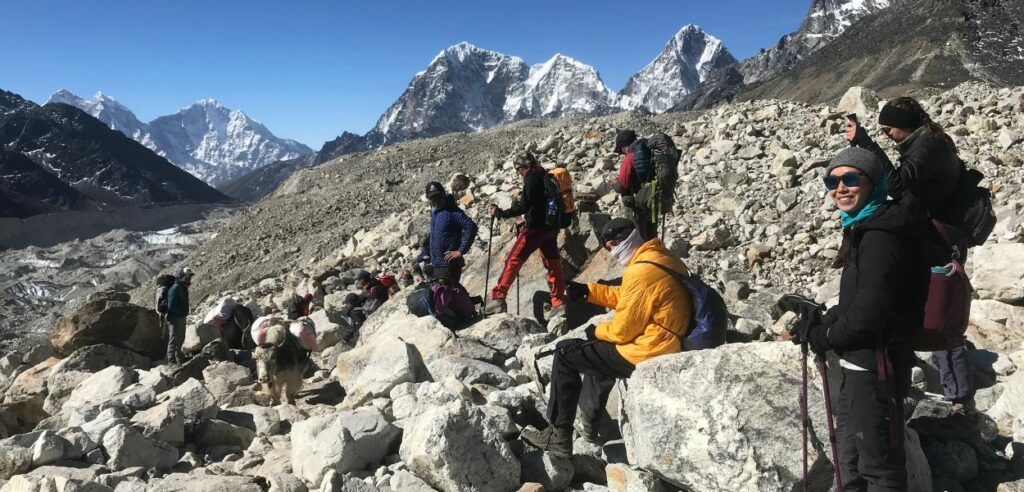
Tackling a challenging trek in Nepal requires careful preparation, both physically and mentally. The country’s rugged terrain and high altitudes can be demanding, so understanding how to prepare properly can make all the difference. With the right approach, you can enjoy the adventure safely and make the most of Nepal’s breathtaking landscapes.
Physical Fitness & Training
Preparing for a trek in Nepal requires dedication and a well-structured fitness routine. Ideally, training should begin 3 to 6 months before the trek. Cardiovascular endurance is crucial, so incorporating activities like running, cycling, or swimming at least three to four times per week can improve stamina. One of the best ways to condition the body is by hiking with a weighted backpack, as it strengthens the legs and core while mimicking real trekking conditions. Since high-altitude treks can be physically demanding, strength training targeting the legs, core, and back helps with stability and reduces the risk of injury. If training at high altitudes isn’t possible, altitude masks or simulated hypoxia exercises can help the body adapt to lower oxygen levels. Additionally, recovery techniques such as proper stretching, foam rolling, and hydration should be incorporated into the routine to prevent injuries and maintain stamina during the trek.
Gear
The right gear can make a significant difference in comfort and safety while trekking in Nepal. A proper layering system is essential, as temperatures can vary drastically from warm valleys to freezing high-altitude passes. This includes moisture-wicking base layers, insulating mid-layers, and a waterproof outer layer to shield against unpredictable mountain weather. Sturdy trekking boots with ankle support and good grip ensure comfort and stability is equally important.
Since nights at high elevations can be extremely cold, a high-quality sleeping bag rated for sub-zero temperatures is a must. Trekking poles help reduce the strain on knees during descents and improve balance on difficult trails. Due to strong sun exposure at high altitudes, sun protection such as sunscreen, sunglasses, and a wide-brimmed hat is necessary. A comprehensive first aid kit should include blister treatment, altitude sickness medication, and other essential medical supplies. Since access to clean drinking water may be limited, carrying a water purification system, such as a filter or purification tablets, is crucial for staying hydrated.
Acclimatization Strategies
To prevent altitude sickness, a gradual ascent is essential, following the “climb high, sleep low” principle. It involves gaining elevation during the day but sleeping at a lower altitude to allow the body to adjust. Hydration is key, as dehydration causes altitude-related symptoms, so drinking at least 4 to 5 litres of water daily is recommended. Rest days should be planned for every 1,000 meters of elevation gain to allow the body to adapt. Recognizing early signs of altitude sickness, such as headaches, nausea, and dizziness, is critical, as continuing the ascent without proper acclimatization can be dangerous. You should have a well-thought-out emergency plan, including knowing evacuation routes and when to descend, which can be life-saving. As drinking alcohol dehydrates the body and impairs acclimatization, it’s better to avoid it. Maintaining a slow, steady pace rather than rushing helps you conserve energy and minimizes the risk of altitude sickness.
Mental Preparation
Beyond physical readiness, mental preparation plays a crucial role in completing a challenging trek. Setting realistic expectations by thoroughly researching the trek helps mentally prepare for the challenges ahead. Training hikes should include some level of discomfort, such as carrying a heavier load or trekking in harsh weather, to build resilience. You can practice techniques like deep breathing or meditation that help to manage stress and exhaustion on the trail. When you break the trek into small, manageable goals instead of focusing on the entire journey makes it less overwhelming. You can engage with experienced trekkers through online forums or social media groups, which provide valuable insights and encouragement in your journey.
Choosing a Trekking Agency/Guide
Selecting the right trekking agency or guide ensures both safety and a smooth experience. The first step is verifying that the agency is registered with the Trekking Agencies Association of Nepal (TAAN), ensuring they meet industry standards. Agencies with extensive experience on specific trekking routes are preferable, as they have a deeper understanding of trail conditions and challenges. Qualified guides should have first-aid training, strong communication skills, and knowledge of altitude sickness management. It is also essential to understand the agency’s emergency response protocols, including evacuation procedures in case of illness or accidents. Here at Mountain Routes, provides a clear breakdown of the package inclusions that will help you avoid unexpected costs, ensuring that services such as permits, accommodations, meals, and transportation are transparently communicated.





 Chat on WhatsApp