How Much Money is Enough to Visit Nepal? Nepal Travel Cost
Planning a trip to Nepal often starts with one big question: How much money is enough to visit Nepal? The answer depends on your travel style, the places you want to explore, and the activities on your list. From budget-friendly trekking routes to luxury tours, Nepal offers something for every traveler’s budget. When we talk about Nepal travel costs, it covers more than just hotels and meals. You need to think about visa fees, domestic flights, transportation, trekking permits, and even cultural entry tickets. Knowing these costs in advance helps you plan a smart Nepal travel budget without surprises.
The good news is that Nepal remains one of the most affordable destinations in Asia. On average, daily expenses in Nepal can be as low as $25 for budget travelers, while mid-range and luxury travelers spend between $50–$200 per day. Whether you’re looking at a simple Nepal tourism package cost or planning independent adventures, this guide will help you understand the real Nepal trip cost for tourists and how you can save while enjoying the best experiences.
Is it Expensive to visit Nepal?
Many travelers wonder if Nepal is expensive, but the reality is different. Nepal is one of the most budget-friendly destinations in Asia. The cost to visit Nepal depends on how you travel. For instance, backpackers can survive on as little as $25 a day, while mid-range travelers usually spend $50–$90. Luxury tourists, on the other hand, may spend $150 or more each day. Still, compared to many countries, the overall Nepal trip cost for tourists remains affordable. To better understand this, it helps to see how Nepal compares with other Asian destinations.
How Nepal Compares to Other Asian Destinations
When looking at the Nepal travel budget against nearby countries, Nepal stands out for value. Here are the main reasons:
- Accommodation Costs – Guesthouses and mid-range hotels in Nepal are cheaper than those in Thailand or Malaysia.
- Food and Drinks – Local meals like dal-bhat cost only $2–$3, far less than dining in Singapore or Japan.
- Adventure Activities – Trekking permits, paragliding, and rafting are more affordable compared to similar adventures in Bhutan or India.
- Daily Expenses – Tourists in Nepal often spend less overall than in other Asian destinations, making it ideal for both long stays and budget treks.
Daily expenses in Nepal remain lower than in many other Asian destinations, making it ideal for long stays, slow travel, and budget-friendly treks. If you want a broader look at what makes the country such a rewarding place to visit, explore our full guide on the Nepal Travel Destination Experience here.
Daily Budget Breakdown for Nepal Travel
Your Nepal travel budget depends on the style of journey you choose. Some travelers prefer staying in hostels and eating local meals, while others enjoy boutique hotels and private guides. To help you plan better, here’s a breakdown of what you can expect from daily expenses in Nepal across different budget levels.
Budget Travel ($25–$40/day)
If you travel on a budget, Nepal can be very affordable. Staying in hostels or basic guesthouses costs around $5–$10 per night. Meals at local eateries average $2–$4, and public buses are the cheapest way to move between cities. Even with a little extra for permits or entry fees, the total cost to visit Nepal for budget travelers stays within $25–$40 a day.
Mid-Range Travel ($50–$90/day)
Mid-range travelers enjoy more comfort while still keeping costs under control. Decent hotels or boutique stays cost $20–$40 per night. Meals at good restaurants are about $5–$10, while private taxis or tourist buses make travel easier. Adding in cultural tours or short treks, the Nepal trip cost for tourists in this range usually sits between $50–$90 daily.
Luxury Travel ($120–$200+/day)
For those seeking comfort and exclusivity, Nepal offers luxury lodges, resorts, and fine dining. Luxury hotels often start at $80 and can go much higher. Private cars, guided tours, and adventure activities raise the budget further. In this case, the Nepal travel cost can easily cross $200 a day, especially if you include domestic flights and premium trekking packages. While luxury treks can be more expensive, they offer a unique and unparalleled experience.
Accommodation Costs in Nepal
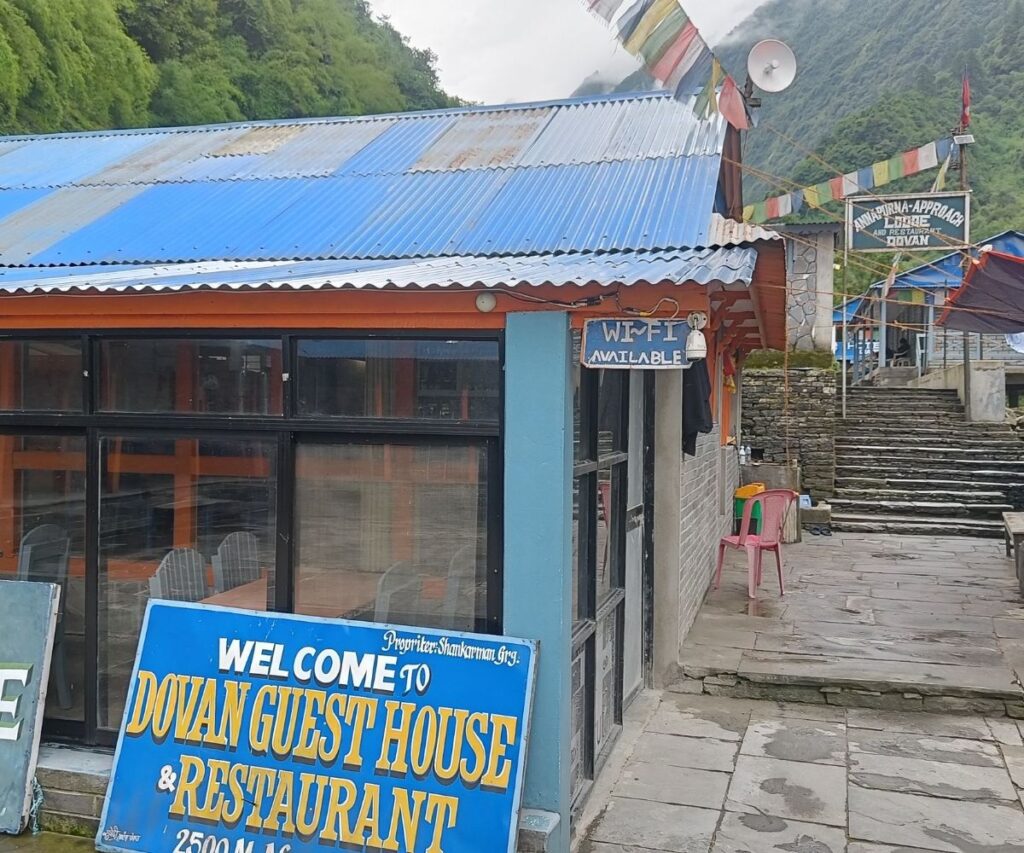
Accommodation in Nepal is available for every type of traveler, from backpackers to luxury seekers. The cost to visit Nepal can vary a lot depending on where you stay, but the good news is that even good options are affordable compared to many destinations. In cities like Kathmandu and Pokhara, you’ll find budget hostels, boutique hotels, and high-end resorts, all offering different levels of comfort and price. For budget travelers, hostels and guesthouses usually range from $5–$15 per night, making them a big part of a low Nepal travel budget. Mid-range hotels with private rooms and better facilities average $20–$50. Luxury lodges and resorts, often located in scenic spots or near trekking trails, start from $80 and can go much higher. Whether you are planning budget treks in Nepal or a comfortable holiday, some accommodations fit your style and budget.
Food and Drink Costs in Nepal
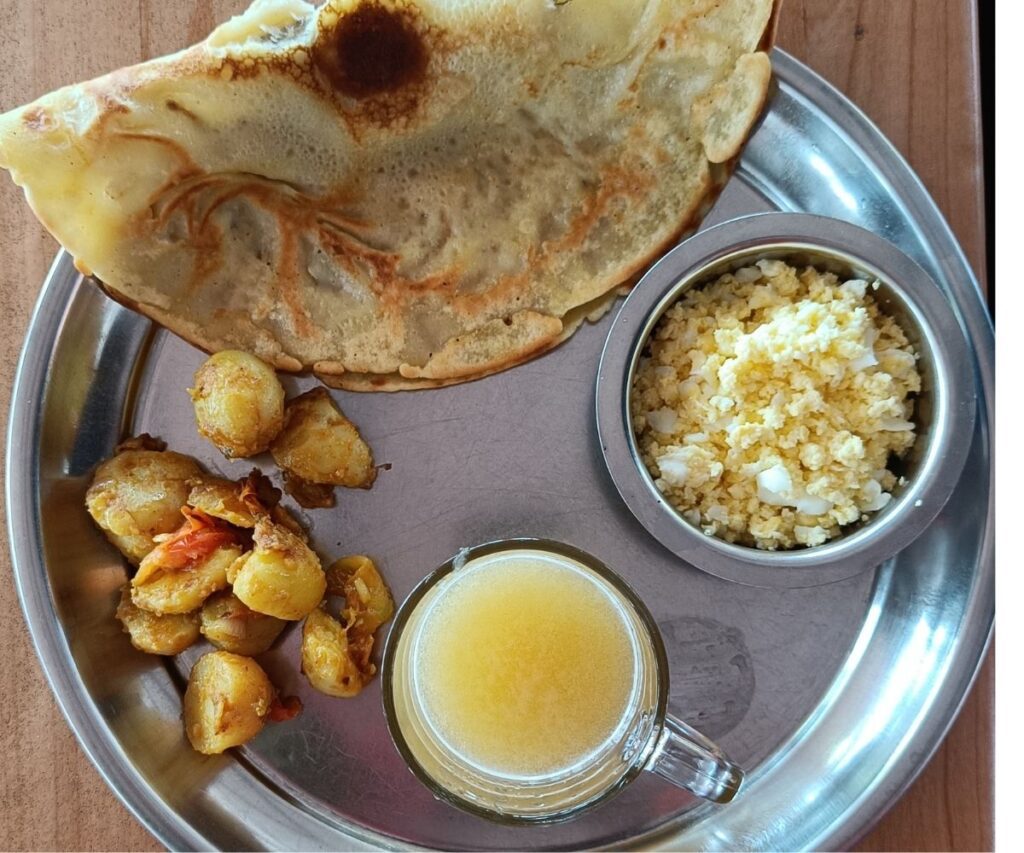
Food in Nepal is not only delicious but also affordable, making it easy to plan your Nepal travel budget. Local meals like dal-bhat, momos, or chowmein cost around $2–$4 at small eateries. These filling dishes keep daily expenses low, especially for backpackers. Street food and tea shops are also cheap, often costing less than a dollar for snacks and drinks. For mid-range travelers, dining in nice restaurants usually costs $5–$10 per meal, with both local and international options available. If you choose Western-style dining in tourist areas, prices rise to $10–$15 per dish. Drinks such as coffee or fresh juice cost $1–$3, while alcoholic beverages range from $3–$6. Compared to many Asian countries, the Nepal trip cost for tourists on food remains quite low, allowing more room in the budget for activities and experiences.
Outdoor Activities and Permit Costs
When planning your Nepal travel budget, it is important to consider more than just food and accommodation. Outdoor activities and permits can add to your overall Nepal trip cost for tourists, but they also create the most memorable experiences. From trekking in the Himalayas to adventure sports and cultural sightseeing, here’s what you can expect.
Trekking Permits
Trekking is the highlight of Nepal, but every trek requires permits. The TIMS card, Annapurna Conservation Area Permit (ACAP), and Sagarmatha National Park fees usually range from $20–$50, depending on the region. These permits support conservation and allow safe access to popular trekking trails. While they add to the cost of visiting Nepal, they are essential for every hiker.
Adventure Sports
For thrill-seekers, Nepal offers world-class adventure sports at affordable rates. White-water rafting trips cost around $50, paragliding over Pokhara’s lakeside skies is about $80, and bungee jumping near the Tibetan border is $90. Compared to other destinations, these prices make Nepal one of the best-value countries for adrenaline experiences within a modest Nepal tourism package cost.
Cultural Entry Fees
Nepal’s heritage sites are rich in culture and history, but most require small entry fees. Visiting Durbar Squares, Buddhist stupas, or the sacred Pashupatinath Temple costs between $2 and $10. These fees are minor compared to your overall Nepal travel cost, yet they give access to some of the country’s most iconic landmarks.
Cost Differences Across Nepal’s Regions
The travel cost in Nepal is not the same everywhere. Prices vary depending on the region, level of tourism, and accessibility. While cities are cheaper for food and stays, trekking regions often cost more because of transportation and supply challenges. Here’s a quick breakdown:
- Kathmandu Valley: Mid-range hotels cost around $25–$40 per night, and meals are affordable at about $3–$6 per plate. Transportation within the valley is also cheap, making it a budget-friendly region.
- Pokhara: Hotels usually range from $20–$35 per night, and meals cost around $4–$8. Adventure activities like paragliding or boating can add extra expenses.
- Everest Region: Accommodation in teahouses costs around $6–$12 per night, but food prices rise to $7–$15 per meal due to high transport costs. Trekking permits and flights to Lukla also increase the budget.
- Annapurna Region: Teahouses cost around $5–$10 per night, with meals between $4–$8. Permits like the TIMS card and ACAP permit add additional expenses.
- Chitwan: Lodges and resorts start from $20–$40 per night, and meals are usually $5–$10. Jungle safaris and activities cost extra, typically between $20–$60.
- Lumbini: Accommodation is available for $10–$25 per night, and meals cost around $3–$6. Visiting monasteries and cultural sites is often low-cost or free.
Nepal Trekking Costs – What to Expect
Trekking in Nepal can fit different budgets depending on the region, trek duration, permits, and comfort level. Here’s what you can expect for some of the most popular treks.
Popular Treks and Their Average Costs
- Everest Base Camp Trek: This iconic trek usually costs between $1,200 $1,800. The price includes flights to Lukla, permits, guides, porters, meals, and teahouse accommodations.
- Annapurna Base Camp Trek: A relatively shorter trek, costing around $700 to $1,200. It covers permits, guides, food, and basic teahouse stays along the route.
- Manaslu Circuit Trek: This remote adventure ranges from $1,000 to $1,600, with restricted area permits, guides, and porter costs making it slightly pricier than Annapurna treks.
- Annapurna Circuit Trek: Depending on the route and duration, expect to spend $900 to $1,500. The cost includes permits, meals, accommodations, and transport to the starting point.
- Tsum Valley Trek: It’s known for its cultural richness. This trek ranges from $1,200 to $1,700 due to restricted permits and the need for registered guides.
Lower-Budget Trekking Options
If you’re travelling on a tighter budget, Nepal also offers some amazing treks that are easier on the pocket while still giving you breathtaking mountain views and cultural experiences.
- Mardi Himal Trek: This short and less-crowded trek costs around $400–$700, making it a great, affordable choice.
- Langtang Valley Trek: With costs averaging $500–$800, it’s one of the closest treks to Kathmandu and a budget-friendly adventure.
- Poon Hill Trek: Known for its stunning sunrise views, this trek can be done for about $350–$600, making it one of the cheapest treks in Nepal.
What’s Included in Trekking Costs
- Airport pickup and drop-off in Kathmandu
- Licensed local guide (all our guides are experienced with the Manaslu region)
- Porter service (1 porter for every 2 trekkers, carrying up to 9kg per person)
- All transportation (Kathmandu to Soti Khola and Tal to Kathmandu)
- Shared accommodation during the trek (teahouses/lodges)
- Three meals daily during the trek (breakfast, lunch, dinner)
- All necessary permits (Restricted Area Permit, TIMS, MCAP, ACAP)
- First aid kit with guide
- Pre-departure information briefing
- All Nepal government taxes
- Farewell dinner in Kathmandu
- Mountain Routes t-shirt souvenir
For expert tips and essential advice, check out our detailed guide on how to prepare for trekking in Nepal.
Tips to Make Your Nepal Budget Go Further
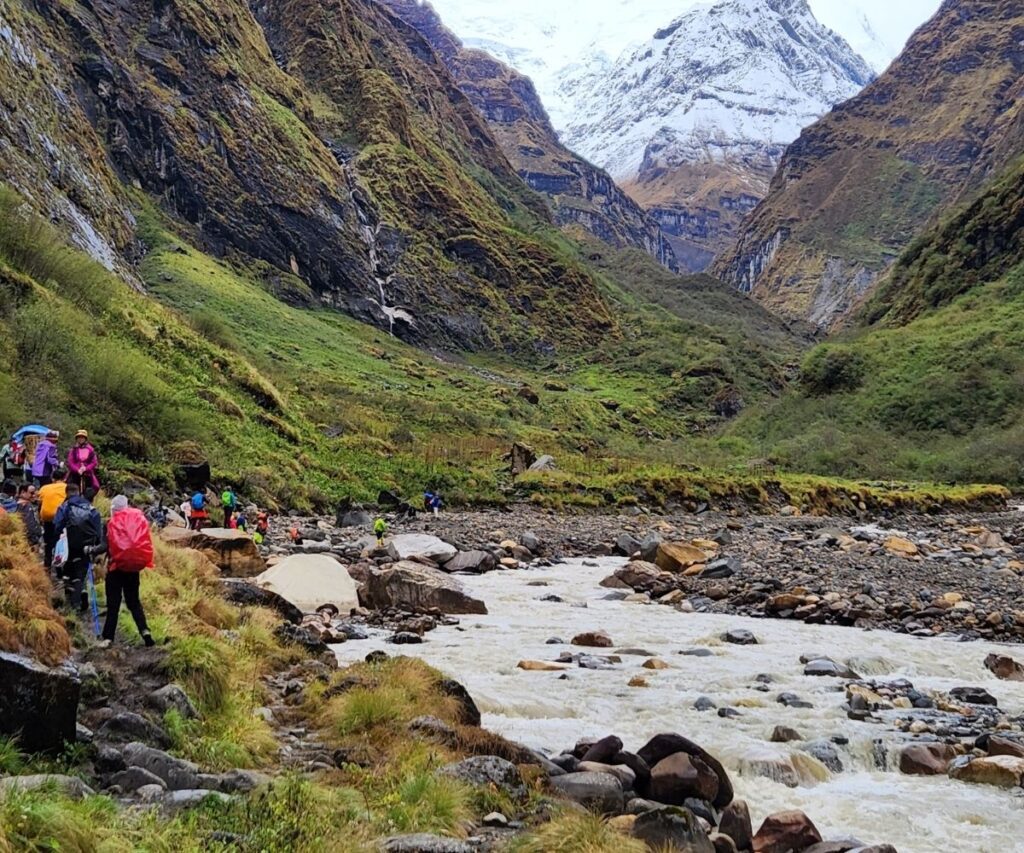
Travelling in Nepal doesn’t have to break the bank. With a few smart choices, you can stretch your money while still experiencing the mountains, culture, and adventure that Nepal is famous for. Here are some tips that will help you save and enjoy more during your trip.
Travel in Shoulder Season
Instead of visiting only during peak trekking months (spring and autumn), consider the shoulder seasons, March to early April and late October to November. During these times, you’ll still enjoy good weather and clear mountain views, but prices for flights, hotels, and even guided tours are usually lower. Fewer crowds also mean more peaceful trails and better chances to bargain for accommodation. If you’re trekking, tea houses are more likely to have available rooms without charging extra.
Eat Local
Food is one of the easiest ways to cut costs in Nepal. Eating like the locals not only saves money but also gives you an authentic taste of Nepali culture. Traditional meals like dal bhat (rice, lentils, and curry) are filling, healthy, and often come with unlimited refills, making them the best value for trekkers. Avoid fancy tourist restaurants, which charge double or triple the local price for similar dishes. Street food in Kathmandu and Pokhara is another budget-friendly option, think momo (dumplings), stick foods or samosas for under a dollar.
Share Transport
Transport can eat up a big part of your budget, especially if you’re travelling solo. A good way to cut costs is to share taxis, jeeps, or buses with other travellers going the same way. In trekking regions like Everest or Annapurna, group transport is common and much cheaper than booking private vehicles. Even in cities, apps like Tootle or Pathao (bike ridesharing) are cheaper alternatives to cabs. Sharing the journey also gives you a chance to meet new people and maybe even find future trekking partners.
Book with Local Operators
When booking treks, tours, or activities, going with local operators instead of international agencies can save you a lot. Mountain Routes offers the same quality guides and services at a fraction of the cost because they don’t have big overheads. Plus, your money stays in Nepal, supporting local communities. Many local operators can also customise itineraries to fit your budget, whether you want to trek with a guide, join a group, or go on a budget package that includes accommodation and food.
Frequently Asked Questions
How much money should I bring for a 2-week trip to Nepal?
For a two-week trip to Nepal, the budget depends on your travel style. Backpackers can manage with around $400–$600, covering budget accommodation, local food, and shared transport. Mid-range travellers may spend $800–$1,200, including better hotels, guided treks, and domestic flights. If you prefer luxury hotels and private treks, your budget could go above $2,000. Always keep some extra money for trekking permits, souvenirs, and unexpected expenses.
Is Nepal cheaper than India for tourists?
In many ways, Nepal can be cheaper than India for tourists, especially for trekking and local transport. Food and accommodation are generally affordable, with teahouses and guesthouses available at low prices in trekking regions. However, flights within Nepal can be more expensive compared to India. If you stick to local buses, simple meals, and budget stays, Nepal often feels lighter on the wallet than most popular tourist cities in India.
What is the cost of an average meal in Nepal?
The cost of food in Nepal is very budget-friendly. A plate of dal bhat (traditional Nepali meal) usually costs between $2–$5, and it comes with unlimited refills. Street food snacks like momos or chow mein are around $1–$3. In tourist areas like Thamel, café meals can cost $5–$10, while fine dining or international restaurants may charge $15 or more per meal. On trekking routes, prices increase with altitude, so expect to pay $6–$12 per meal in higher villages.
How much cash should I carry in Nepal?
Nepal is still a cash-based economy outside major cities. For a two-week trip, it’s smart to carry around $300–$500 in cash, especially if you plan to trek in remote areas where ATMs are unavailable. In Kathmandu and Pokhara, cards are accepted in hotels, upscale restaurants, and big stores, but in small towns and trekking routes, cash is essential. Carry smaller notes (100s and 500s) as higher denominations can be hard to use in rural areas.
Do I need to tip in Nepal?
Tipping in Nepal is not mandatory but is highly appreciated. In restaurants, a 10% service charge is often included in the bill. If not, leaving 5–10% of the bill is considered polite. For trekking, tipping guides and porters is standard. A guide usually receives $10–$15 per day, while porters get around $5–$10 per day, depending on the trek length and difficulty. Taxi drivers generally don’t expect tips, but rounding up the fare is a kind gesture.
When is the cheapest time to visit Nepal?
The most affordable time to visit Nepal is during the monsoon season (June to August) and winter season (December to February). During these months, flight tickets and hotels are often discounted. However, monsoon brings heavy rain, leeches on trails, and limited mountain views, while winter makes high-altitude trekking challenging due to snow. If you’re mainly exploring cities and cultural sites, these off-seasons can save you money.





 Chat on WhatsApp