Nepal Travel Guide: Things to Know Before Travelling to Nepal
A trip to Nepal, with its towering mountains and rich culture, is a dream for many. Yet, planning an adventure this big can feel overwhelming, and a proper Nepal travel guide is a must.
Questions about visas, safety, or what to pack often create a sense of uncertainty for first-time travelers. These unknowns can add stress to what should be an exciting preparation process.
With over one million people journeying to the country in 2023, its appeal is undeniable. Arriving with a clear understanding of what to expect transforms a good trip into an unforgettable one. Knowing the essentials, from the best seasons for trekking to navigating local customs, is the key to a seamless experience when visiting Nepal.
Why Visit Nepal?
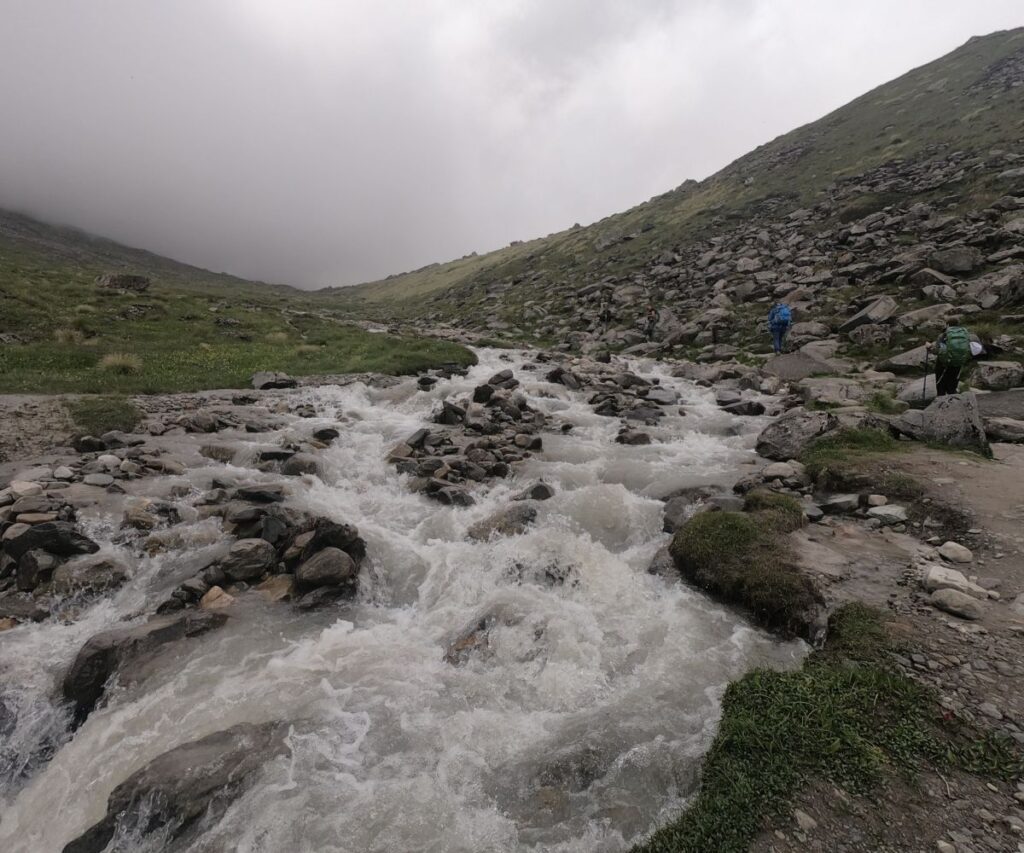
Nepal is a land of incredible contrasts. It has towering Himalayan peaks and lush, green jungles. This country offers something for every type of traveler. You can find thrilling adventures and quiet spiritual retreats.
Trekking enthusiasts can conquer world-famous trails. You can see Mount Everest up close or circle the Annapurna Massif. Cultural explorers can wander through ancient city squares. You will discover temples that are hundreds of years old. Nature lovers can spot rare wildlife in national parks. You might see a one-horned rhino or a Bengal tiger. A visit to Nepal will create memories that last a lifetime.
20 Must-Know Things Before Visiting Nepal
Proper planning can make your Nepal travel experience much smoother. Knowing the basics before you go is very important. It helps you enjoy your trip with less stress.
Here are 20 essential things to know. They cover everything from weather to local etiquette. This list will prepare you for an amazing journey.
Weather and Temperature
Nepal’s weather changes with the seasons. It is important to know the best time to trek and travel in Nepal. This helps you pack the right clothes and plan your activities.
The country has four main seasons. Autumn, from September to November, is the most popular time for travelling to Nepal. The skies are clear, and the temperatures are pleasant. Winter, from December to February, is cold, especially in the mountains. Spring, from March to May, is another great season for trekking. The rhododendron forests are in full bloom. Summer, from June to August, is the monsoon season. It brings heavy rain and landslides, which can disrupt travel plans.
Culture and Traditions
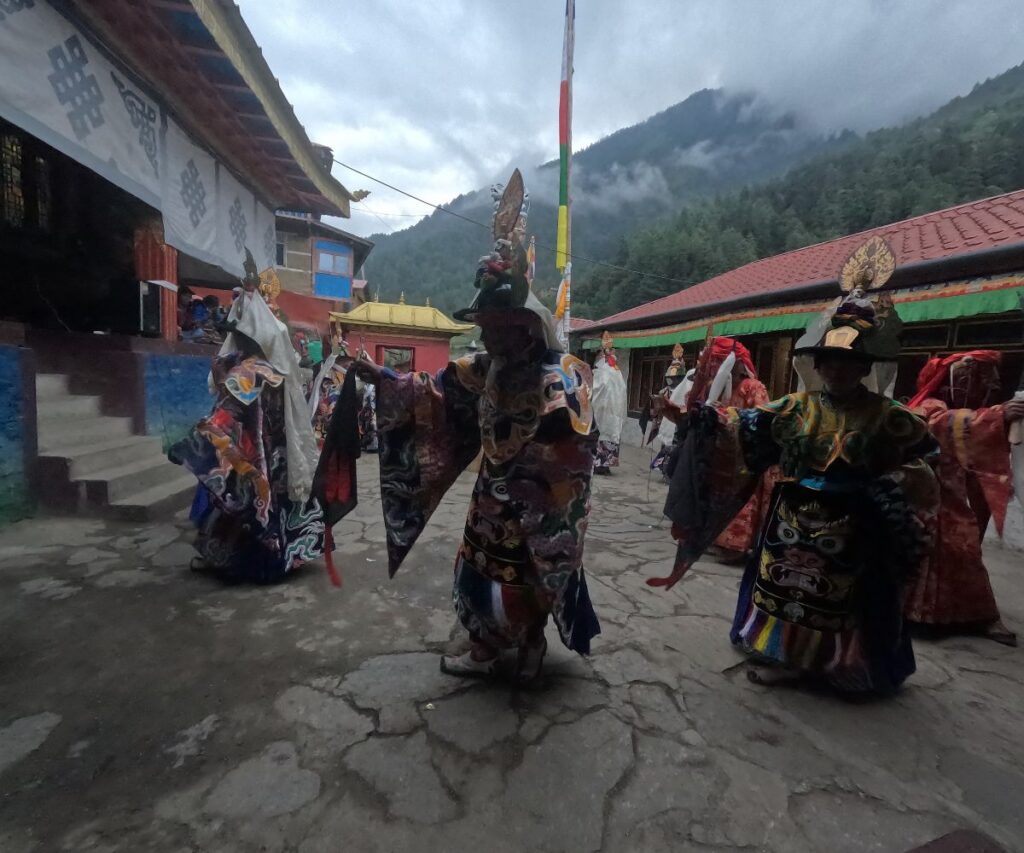
Nepal has a rich and diverse culture. Respecting local customs will make your interactions more meaningful. It shows you appreciate their way of life.
“Namaste” is the traditional greeting. You say it with your palms together in a prayer-like gesture. It is polite to remove your shoes before entering someone’s home or a temple. When visiting religious sites, dress conservatively. This means covering your shoulders and knees. Public displays of affection are not common and should be avoided.
Visa and Entry Requirements
Getting a visa for Nepal is a simple process. Most nationalities can get a visa on arrival at the airport. This makes your Nepal trip planning much easier.
You will need a passport with at least six months of validity and a passport-sized photo. The visa fees vary depending on the length of your stay. You can choose from 15, 30, or 90-day visas. It is a good idea to check the latest visa requirements before you travel. This ensures a smooth entry into the country.
Currency and Money Exchange
The official currency of Nepal is the Nepalese Rupee (NPR). Knowing how to handle money will make your trip easier. It helps you pay for things without any trouble.
You can exchange major currencies like the US dollar, Euro, and British pound in Kathmandu and Pokhara. There are many money exchange counters and banks. ATMs are also widely available in cities. However, they may not be reliable in remote areas. It is best to carry enough cash when trekking or visiting rural villages. Credit cards are accepted in larger hotels and restaurants but not in small local shops.
Internet, SIM Cards, and Connectivity
Staying connected in Nepal is easier than you might think. You can share your amazing experiences with friends and family back home. Internet access is good in the main cities.
Most hotels, restaurants, and cafes in Kathmandu and Pokhara offer free Wi-Fi. For more reliable access, you can buy a local SIM card. Ncell and Nepal Telecom are the two main providers. You can get a SIM card at the airport or in stores around the city. You will need a copy of your passport and a passport-sized photo. This is a cheap way to get data and make local calls during your trip to Nepal.
Language and Communication
Nepali is the official language of Nepal. While many people in the tourism industry speak English, learning a few local phrases can enhance your experience. It is a great way to connect with local people.
“Namaste” means hello, and “Dhanyabad” (dan-ya-baad) means thank you. “Mitho chha” (mee-to-cha) means the food is delicious. People will appreciate your effort to speak their language. It can lead to warmer interactions and a deeper cultural understanding.
Transportation and Getting Around
Getting around Nepal can be an adventure in itself. There are various modes of transport to choose from. Each offers a different experience of the country.
For long distances, tourist buses are a comfortable and affordable option. They connect major cities like Kathmandu, Pokhara, and Chitwan. For shorter trips within cities, taxis and ride-sharing apps are available. Local buses are very cheap but can be crowded. Domestic flights are a good option for saving time, especially if you are travelling to remote trekking areas like Lukla.
Food and Drinking Water
Nepali cuisine is delicious and diverse. Trying local dishes is a key part of any Nepal travel guide. You will find a mix of flavors influenced by neighboring countries.
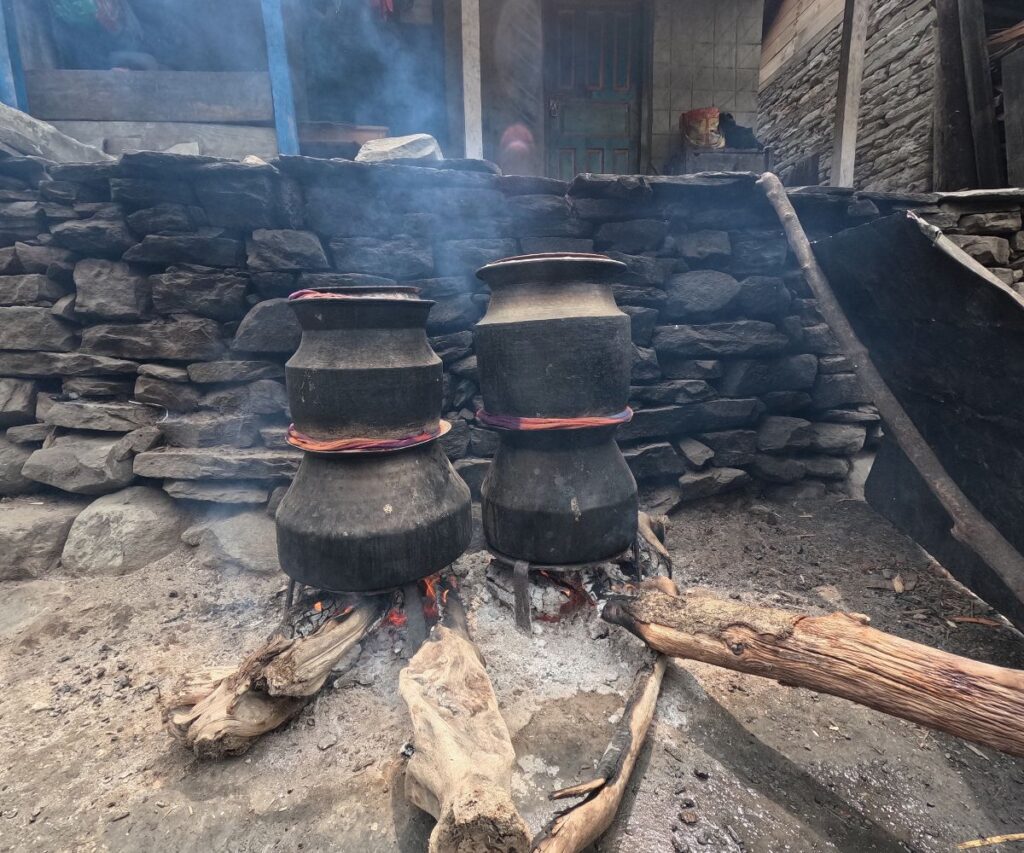
Dal bhat is the national dish. It consists of lentil soup, rice, and vegetable curry. Momos, which are Tibetan-style dumplings, are also very popular. It is important to be careful with drinking water. Always drink bottled, boiled, or purified water. Avoid tap water and ice cubes in drinks. This will help you stay healthy during your trip.
Safety and Health Tips
Staying safe and healthy is a top priority when travelling. Nepal is generally a safe country for tourists. However, it is always wise to take precautions.
Always keep your valuables secure. Be aware of your surroundings, especially in crowded areas. When trekking, altitude sickness can be a risk. It is important to acclimatize properly and listen to your body. Carry a basic first-aid kit with essentials like bandages, antiseptic wipes, and any personal medications. Travel insurance that covers medical emergencies and evacuation is highly recommended.
Trekking and Adventure Permits
If you are planning to trek in Nepal, you will need permits. These permits help to manage and conserve the trekking regions. Getting them is a straightforward process.
Most trekking areas require a Trekkers’ Information Management System (TIMS) card and a national park permit. You can get these in Kathmandu or Pokhara. Some restricted areas, like Upper Mustang and Manaslu, require a special permit. These must be arranged through a registered trekking agency. Make sure you have the right permits before you start your trek.
Religion and Spiritual Etiquette
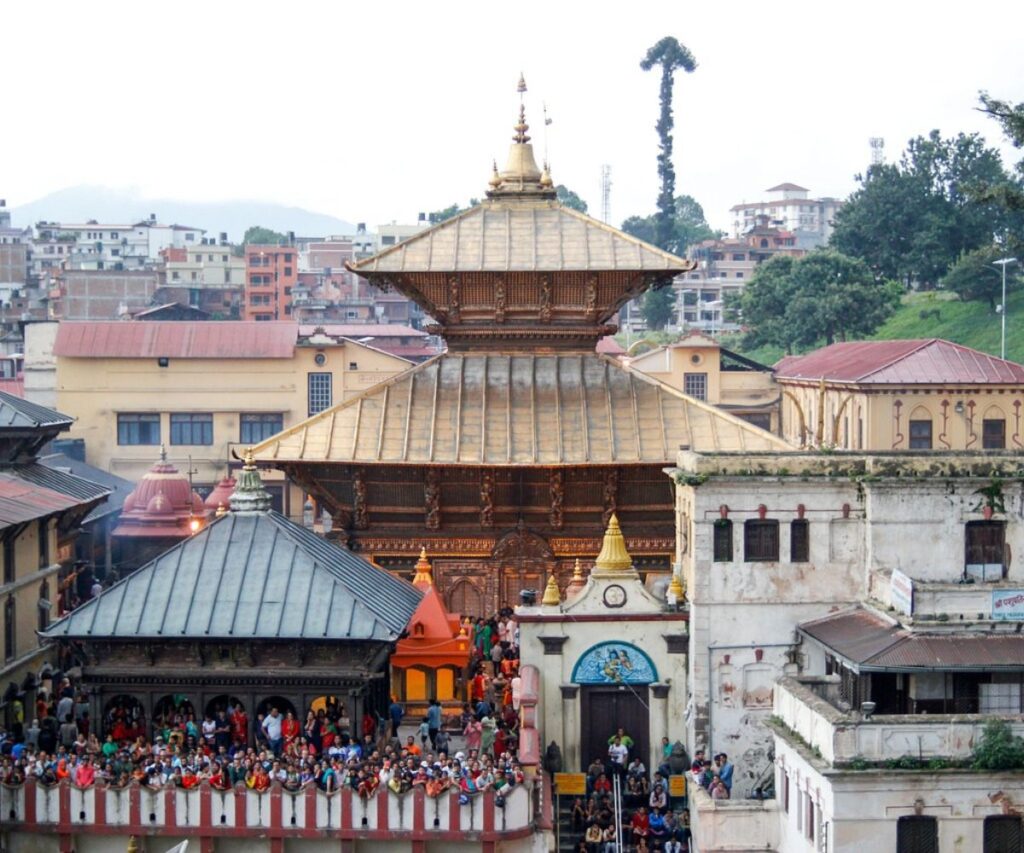
Religion is a central part of Nepali life. The country is a beautiful blend of Hinduism and Buddhism. Showing respect at religious sites is very important.
When visiting temples and stupas, walk around them in a clockwise direction. Ask for permission before taking photographs of people or religious ceremonies. Some temples may not allow non-Hindus to enter certain areas. Always dress modestly, and be mindful of the peaceful atmosphere.
Festivals and Celebrations
Nepal is a country of festivals. There are celebrations happening throughout the year. Experiencing a festival can be a highlight of your visit to Nepal.
Dashain is the biggest Hindu festival, usually celebrated in October. Tihar, the festival of lights, is another major festival that happens a few weeks after Dashain. Holi, the festival of colors, is a fun and vibrant celebration in the spring. Participating in these festivals offers a unique insight into Nepali culture and traditions.
Local Transportation Etiquette
Using local transport is a great way to experience daily life in Nepal. There are a few things to keep in mind for a smooth ride. This will help you navigate like a local.
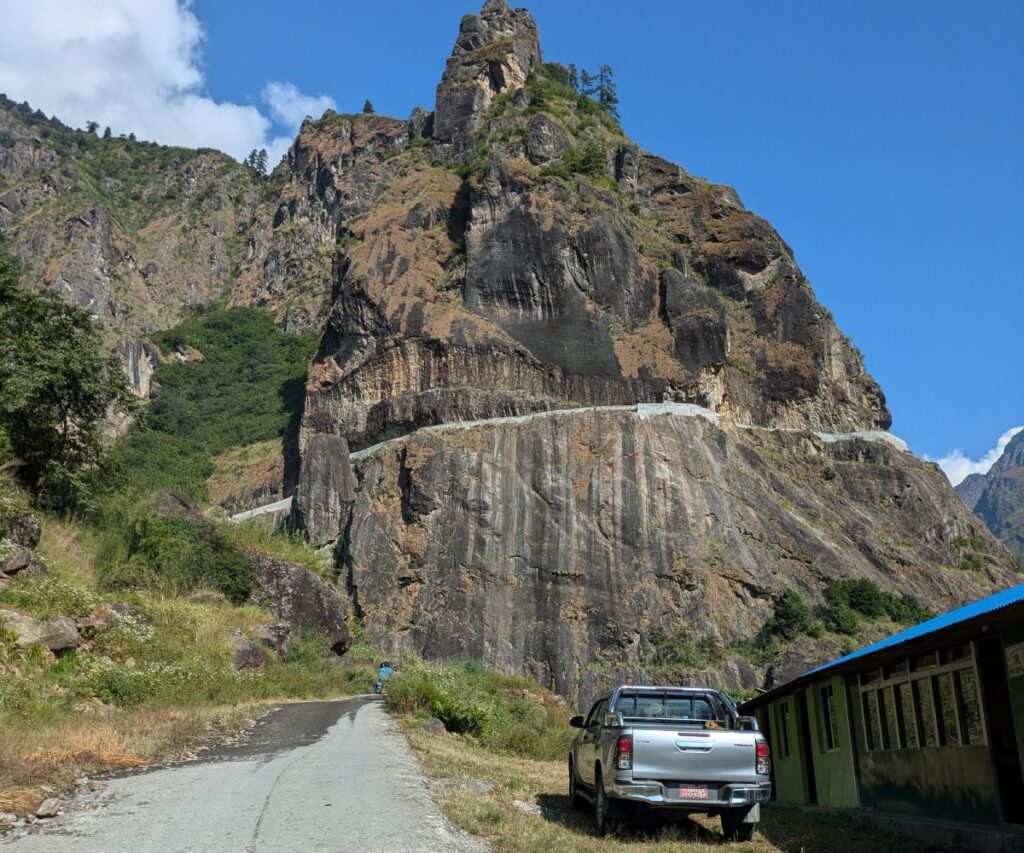
On local buses, it is common for seats to be offered to elderly people and monks. Fares are usually paid to a conductor who moves through the bus. Taxis in Kathmandu often have meters, but you may need to agree on a price before starting your journey, especially at night. Be prepared for crowded conditions on public transport.
Power, Electricity, and Plug Types
Nepal uses a different power system than many other countries. Knowing about the electricity and plug types is useful. It ensures you can charge your devices.
The standard voltage is 230V, and the frequency is 50Hz. The plug types are C, D, and M. It is a good idea to bring a universal travel adapter. Power cuts, known as load shedding, used to be common but are now rare in major cities. However, in remote areas, electricity can be unreliable. Carrying a power bank is a good idea, especially when trekking.
Shopping and Souvenirs
Shopping in Nepal is a fun and rewarding experience. You can find unique handicrafts and souvenirs to take home. Bargaining is a common practice in local markets.
Popular items to buy include pashmina shawls, thangka paintings, singing bowls, and prayer flags. Thamel in Kathmandu is a popular shopping hub for tourists. It is important to bargain respectfully. Start by offering a lower price and find a middle ground. This is part of the local shopping culture.
Responsible Tourism and Etiquette
Being a responsible tourist helps to protect Nepal’s natural beauty and culture. Your actions can have a positive impact. It ensures that future generations can also enjoy this amazing country.
Avoid single-use plastics as much as possible. Carry a reusable water bottle and a bag for your trash. When trekking, stay on the designated trails to protect the fragile environment. Support local communities by buying local products and using local services. Always be respectful of the local culture and traditions.
Emergency Numbers and Help Centers
It is always good to be prepared for emergencies. Knowing the right numbers to call can be very helpful. It gives you peace of mind during your travels.
The emergency number for police is 100. For an ambulance, you can call 102. The Tourist Police can be reached at 1144. It is a good idea to have the contact information for your country’s embassy in Kathmandu. Keep a copy of your important documents, like your passport and visa, in a safe place.
Tipping Culture
Tipping is not mandatory in Nepal, but it is appreciated. It is a way to show your gratitude for good service. Knowing when and how much to tip is helpful.
In restaurants, a 10% service charge is often included in the bill. If not, a small tip is a nice gesture. For trekking guides and porters, it is customary to tip at the end of the trek. The amount depends on the length of the trek and the quality of service. It is best to give the tip directly to the person.
You May Also Read: How Much Should You Tip Guides and Porters in Nepal?
Budget and Daily Expenses
Nepal is a very affordable travel destination. You can have an amazing experience without spending a lot of money. Planning your budget will help you manage your expenses.
A budget traveler can get by on $20-30 per day. This would cover a basic room, local food, and transportation. A mid-range budget of $50-70 per day will get you more comfortable accommodation and a wider choice of restaurants. Trekking costs for Nepal will be separate and will depend on the duration and style of the trek.
Some Facts About Nepal You’ll Discover During Your Trip
Your travel to Nepal will be full of amazing discoveries. The country has a rich history and unique geography. Here are a few interesting facts you will encounter on your journey.
Nepal: Where the World’s Tallest Mountains Touch the Sky
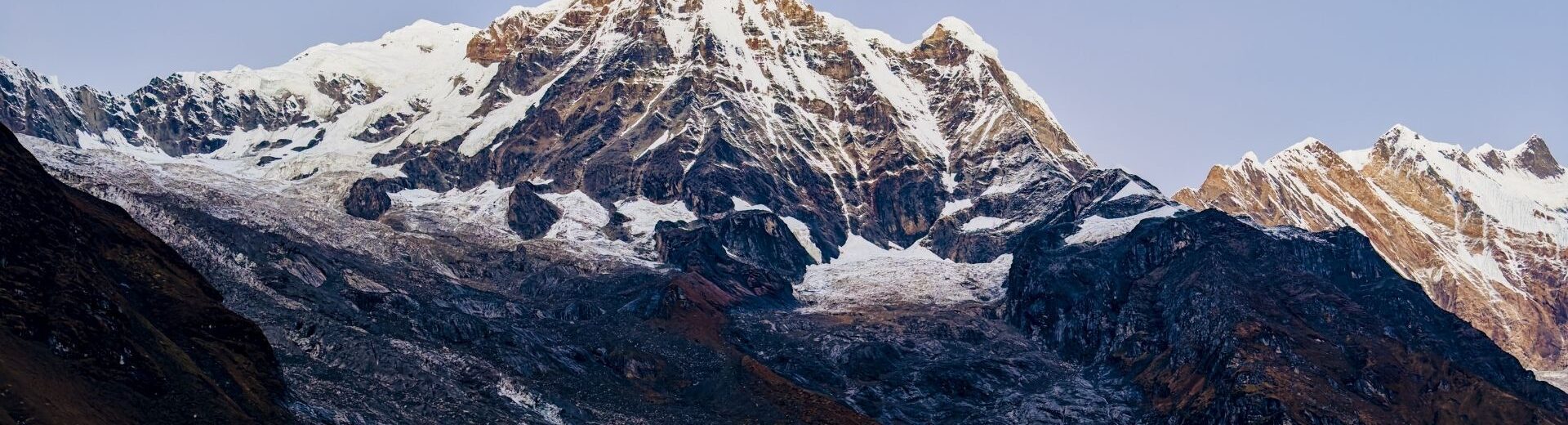
Nepal is famous for its towering Himalayan peaks. It is home to the highest mountain on Earth, Mount Everest.
The country contains eight of the world’s ten tallest mountains. This incredible mountain range makes Nepal a top destination for trekkers and mountaineers. You will feel the power and beauty of these giants during your visit. This is a core part of any Nepal trip.
Lumbini: The Peaceful Birthplace of Lord Buddha
Nepal is a deeply spiritual place. It is the birthplace of Siddhartha Gautama, who became the Lord Buddha.
Lumbini is now a UNESCO World Heritage site. It is a peaceful pilgrimage destination for Buddhists from all over the world. You can visit the Sacred Garden and explore beautiful monasteries built by different nations. This adds a unique spiritual layer to travelling in Nepal.
The Country That Was Never Colonized
Nepal holds a unique place in South Asian history. It is one of the few countries that was never colonized by a foreign power.
This fierce independence has helped preserve its ancient culture and traditions. You can see this history in the preserved temples of the Kathmandu Valley. You will also feel it in the proud and resilient spirit of the Nepali people.
A Small Nation with Incredible Biodiversity
Nepal is a small country with a surprising variety of landscapes. Its geography ranges from steamy jungles to high-altitude deserts.
This diversity supports an amazing amount of wildlife. You can find one-horned rhinos and Bengal tigers in Chitwan National Park. The country is also home to over 850 species of birds. This makes a visit to Nepal a dream for nature lovers.
A Mosaic of 120 Ethnic Groups and 100 Languages
The country is a vibrant mix of different cultures. Over 120 ethnic groups live here, speaking more than 100 languages.
As you travel, you will notice changes in customs, clothing, and food. You will meet people from different groups like the Sherpa, Gurung, and Newar communities. This cultural richness makes every part of your journey unique and interesting.
“Namaste” — The Word That Opens Every Door
You will hear the word “Namaste” everywhere you go. It is much more than a simple hello.
This traditional greeting is a sign of deep respect, meaning “I bow to the divine in you.” When you say it with your palms together, you will be met with warm and genuine smiles. It is the perfect way to connect with the friendly people you meet during your Nepal travel.
Festivals That Never Seem to End
Nepal is a country of constant celebration. There is a festival happening almost every month of the year.
Major festivals include Dashain, a 15-day celebration of good over evil, and Tihar, the festival of lights. You might also experience Holi, the vibrant festival of colors. Checking the festival calendar before your trip to Nepal can add an unforgettable experience to your adventure.
Start your Himalayan adventure with Mountain Routes and Travel the Real Nepal.
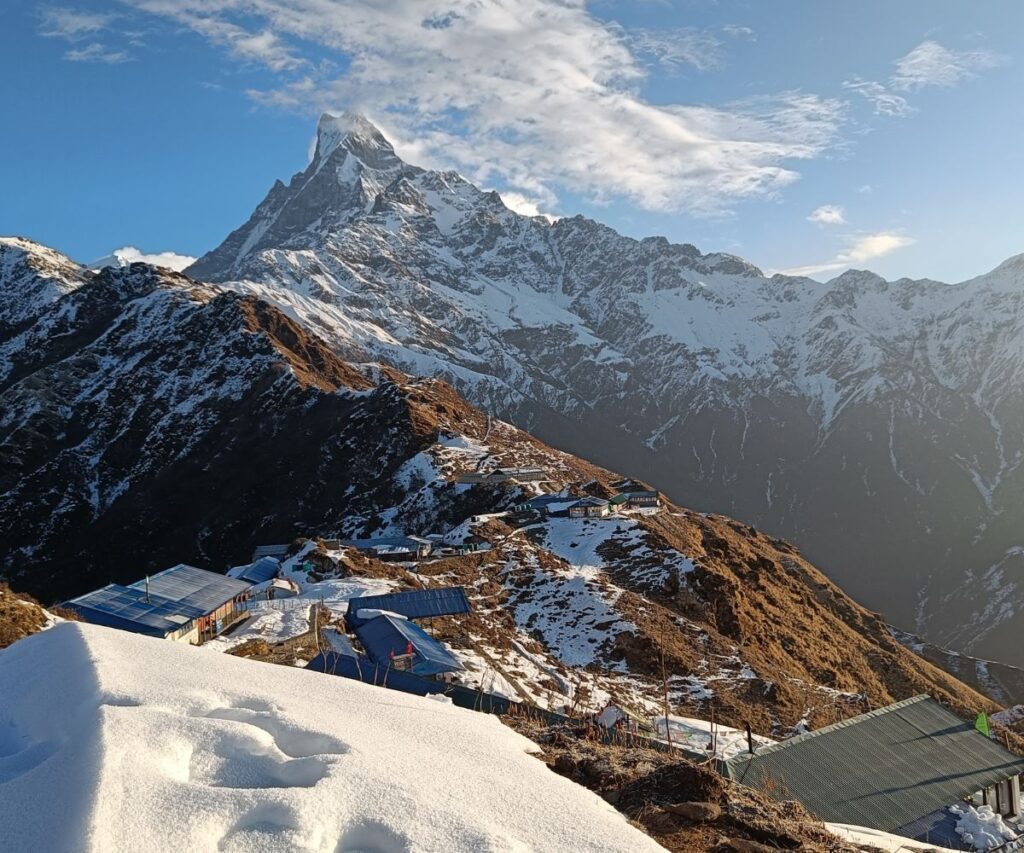
Are you dreaming of trekking in the Himalayas but feeling overwhelmed by the planning? You might be worried about finding the right guide or navigating unfamiliar trails. Don’t let these concerns hold you back from the adventure of a lifetime.
Mountain Routes offers expertly guided treks that take care of all the details. We handle everything from permits to accommodation, so you can focus on the stunning views and cultural experiences. Let us help you explore the real Nepal safely and confidently. Book your adventure with us today!





 Chat on WhatsApp