Guide to Syangboche Yak Farm Trek in the Everest Region
The Syangboche Yak Farm Trek is a short and scenic route in the Everest region of Nepal. It combines mountain views, Sherpa villages, and cultural experiences within a few days. This trek is perfect if you want to see the Everest Himalayas but prefer a lighter journey than the full base camp route.
You’ll fly from Kathmandu to Lukla, walk through green forests and small Sherpa settlements, and reach the Syangboche Yak Farm above Namche Bazaar. The trek offers wide views of Everest, Lhotse, and Ama Dablam, while also letting you explore the traditions of the local people who live in the high mountains.
Quick Trek Facts
| Detail | Information |
| Duration | 5 Days |
| Maximum Altitude | 3,841 meters (Syangboche) |
| Trek Difficulty | Easy |
| Region | Everest (Khumbu) |
| Average Walking Hours | 3–4 hours per day |
| Accommodation Type | Teahouse / Lodge |
| Group Size (Typical) | 2–10 trekkers |
| Best Season | March–May and September–November |
These quick facts help you plan better. The trek is short but involves some steep climbs, so moderate fitness is enough. Weather plays a big role in your experience, especially for flights to and from Lukla.
About Syangboche and Its Significance
Syangboche lies above Namche Bazaar at the heart of the Khumbu region. It is known for its small airstrip, traditional yak farm, and stunning mountain scenery. The area sits on a broad ridge surrounded by forests and open meadows where yaks graze freely.
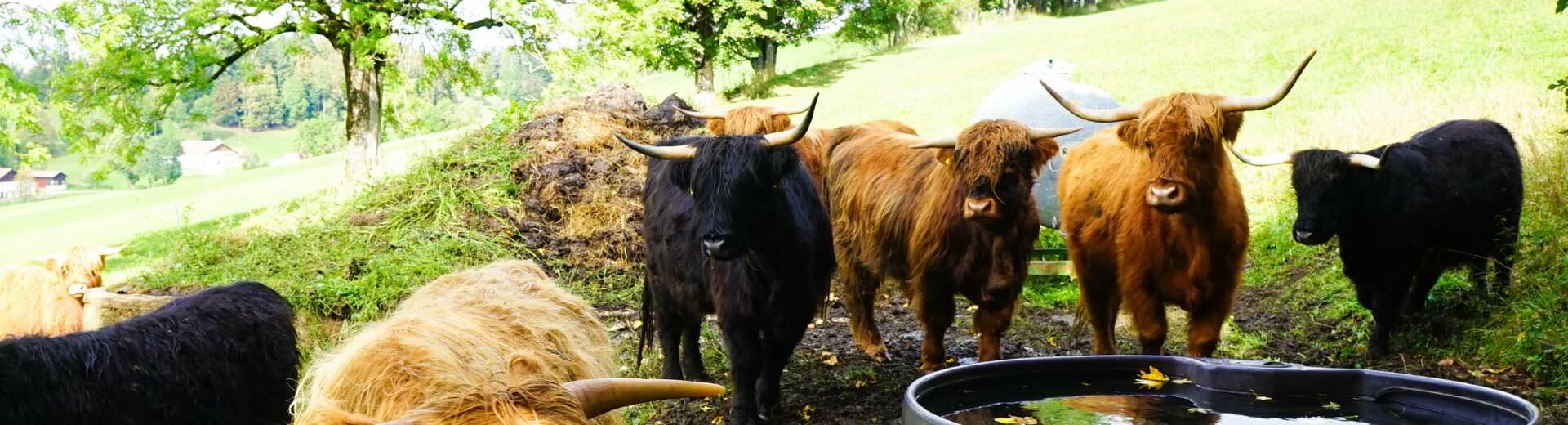
The Syangboche Yak Farm and Breeding Center is one of the main highlights. Here, local herders raise and care for yaks, which are vital to mountain life. They use yak milk, butter, and wool for daily needs. By visiting, you can see how these animals support the Sherpa communities and learn how yak products are made.
Syangboche is also one of the best viewpoints for the Everest range. The wide, clear view of Everest and Ama Dablam makes the area a favorite spot for photographers and trekkers.
Route Overview and Map Insight
The Syangboche route begins with a short flight from Kathmandu to Lukla, one of the most famous mountain airports in the world. From Lukla, you’ll follow the Dudh Koshi River through Phakding and continue toward Namche Bazaar. The path then climbs higher to reach Syangboche and the Yak Farm before returning the same way.
Typical route:
Kathmandu → Lukla → Phakding → Namche Bazaar → Syangboche → Namche → Lukla → Kathmandu
Map description:
The trail starts at 2,860 meters in Lukla and climbs gradually to 3,841 meters at Syangboche. You’ll walk through pine forests, cross suspension bridges, and pass Buddhist chortens and prayer stones. The higher you go, the better the views get. The return route follows the same trail downhill, offering new perspectives on the valleys and rivers below.
Cultural and Natural Highlights
The Syangboche trek gives you a close look at Sherpa life in the Himalayas. Villages along the route display traditional architecture with carved wooden windows and stone-built homes. You’ll meet friendly locals who manage tea houses and share their daily lives with travelers.
The yak farm in Syangboche adds a cultural touch. You can watch herders milk yaks, prepare cheese, and care for the animals. These practices have existed for generations and remain an important part of the Khumbu economy.
Nature also stands out throughout the journey. You’ll walk through rhododendron forests, cross rivers on hanging bridges, and see panoramic views of some of the tallest peaks in the world.
Day-by-Day Trek Information
Day 1: Fly from Kathmandu to Lukla and Trek to Phakding (2,610 m)
You’ll take a short, scenic flight from Kathmandu to Lukla in the morning. The 30-minute journey reveals the vast Himalayan range. After landing, the trek begins with a gentle descent through forests and farmlands.
You’ll cross several suspension bridges over the Dudh Koshi River and pass small villages filled with prayer flags. The trail ends at Phakding, a peaceful riverside settlement where you’ll rest for the night.
Day 2: Trek from Phakding to Namche Bazaar (3,440 m)
The trail continues along the river with gradual climbs and forested sections. You’ll cross the famous Hillary Bridge and enter Sagarmatha National Park at Monjo.
The final stretch to Namche is steep but rewarding. You’ll arrive in Namche Bazaar, a bustling Sherpa town filled with small shops, cafes, and views of surrounding peaks.
Day 3: Hike from Namche Bazaar to Syangboche Yak Farm and Return
This day is the highlight of the trek. You’ll walk uphill for a few hours to reach the Syangboche Yak Farm. The trail opens to breathtaking views of Everest, Lhotse, and Ama Dablam.
At the farm, you can observe yak breeding, talk to herders, and learn about the animals’ importance in high-altitude life. After exploring the area, you’ll return to Namche for another night.
Day 4: Trek from Namche Bazaar to Lukla (2,860 m)
The return journey follows the same route but is easier as it descends. You’ll cross rivers and pass small monasteries on your way back to Lukla. The day ends with a quiet evening, marking the final night in the mountains.
Day 5: Fly from Lukla to Kathmandu
In the morning, you’ll take a short flight back to Kathmandu. The flight offers one last view of the mountains before you leave the Khumbu region.
Access and Transportation Options
The easiest way to start the Syangboche Trek is by flight to Lukla. Planes operate from Kathmandu or Manthali Airport, depending on weather and season. The flight is short but depends on clear conditions.
You can also choose a helicopter for a quicker or more scenic option. Helicopters sometimes land at Syangboche Airport, offering views from above the mountains.
Once in Lukla, the rest of the journey is on foot. The trail is well-marked and widely used by locals and trekkers.
Accommodation and Local Lifestyle
During the trek, you’ll stay in teahouses or small mountain lodges. These are family-run and offer basic comfort—wooden beds, blankets, and shared bathrooms. Meals include Nepali dishes like Dal Bhat, noodles, soups, and pancakes.
Every teahouse has a dining area with a central stove where trekkers gather in the evening. It’s a good place to meet others and talk about the day’s walk.
Local people live simple but meaningful lives here, balancing farming, animal care, and tourism. The culture reflects kindness, hard work, and respect for nature.
Cost Reference and Logistics
The overall cost of the Syangboche Trek depends on travel season, guide choice, and accommodation. Trekkers usually spend between USD 500 and 700 for five days, including flights, lodging, food, and permits.
Prices rise during spring and autumn when the weather is best. Costs are slightly lower in winter and monsoon months. The biggest expenses are the Lukla flights and permits for the Sagarmatha National Park and Khumbu region.
Hiring a local guide or porter adds comfort and safety. Porters carry bags, while guides help with routes and cultural interpretation.
Essential Packing and Gear List
Packing light but smart is important for this trek. You’ll face cool mornings and warm afternoons, so layering helps manage temperature changes.
Essential items:
- Warm jacket and fleece
- Waterproof and windproof shell
- Trekking boots and wool socks
- Gloves, hat, and sunglasses
- Backpack (30–40L)
- Reusable water bottle and purification tablets
- Trekking poles for steep sections
- Light sleeping bag
- Headlamp and spare batteries
- Sunscreen and basic first aid kit
Carrying a few energy snacks or chocolate bars helps maintain energy during long climbs.
Weather and Trekking Conditions
The Syangboche area experiences mild daytime temperatures and cold nights. Spring (March–May) and autumn (September–November) are the best seasons, with clear skies and stable weather.
During these months, you’ll see rhododendron blooms in spring and crisp air with sharp visibility in autumn.
Winter brings snow and colder nights, but the trails are quiet and peaceful. Monsoon season from June to August has heavy rain and cloud cover, making flights and trekking less predictable.
Required Permits and Entry Rules
You’ll need two main permits for this trek:
- Sagarmatha National Park Entry Permit – Required for all trekkers entering the Everest region. You can get it in Kathmandu or at the park entrance in Monjo.
- Khumbu Pasang Lhamu Rural Municipality Permit – Replaces the old TIMS card and supports local community projects.
If you start your trek from Jiri or other routes, you may also need the Gaurishankar Conservation Area Permit. Keep your permits with you at all times, as there are checkpoints along the way.
Safety, Health, and Acclimatization Tips
Although this trek doesn’t reach extreme altitudes, it’s still important to walk slowly and stay hydrated. Drink plenty of water and take short breaks when needed.
If you feel dizzy or short of breath, stop and rest. Avoid alcohol and heavy meals at high altitudes. Bring basic medicines for headache, cold, or stomach issues.
A first-aid kit and travel insurance that covers mountain evacuation are recommended for all trekkers.
Trek Combinations and Alternatives
If you have more time, you can combine the Syangboche route with other trails in the Everest region.
- Everest View Trek: A short route that includes Syangboche and the Everest View Hotel.
- Gokyo Lakes Trek: A moderate trek leading to high glacial lakes and panoramic viewpoints.
- Ama Dablam Base Camp Trek: Offers close views of Ama Dablam’s dramatic peak.
These treks share the same starting point and can be added for a longer adventure.
Frequently Asked Questions
How long is the Syangboche Yak Farm Trek?
The trek takes about five days, including flights to and from Lukla.
Do I need a guide?
You can trek independently, but hiring a guide adds safety and helps you learn more about the region.
What is the highest altitude?
Syangboche sits at around 3,841 meters above sea level.
Is this trek suitable for beginners?
Yes. The route is short and doesn’t require previous trekking experience.
When is the best time to go?
Spring and autumn are ideal for clear weather, stable flights, and mountain views.





 Chat on WhatsApp