
Tengboche Monastery on Everest Trek: Highlights, Trail Routes & Travel Tips 2026
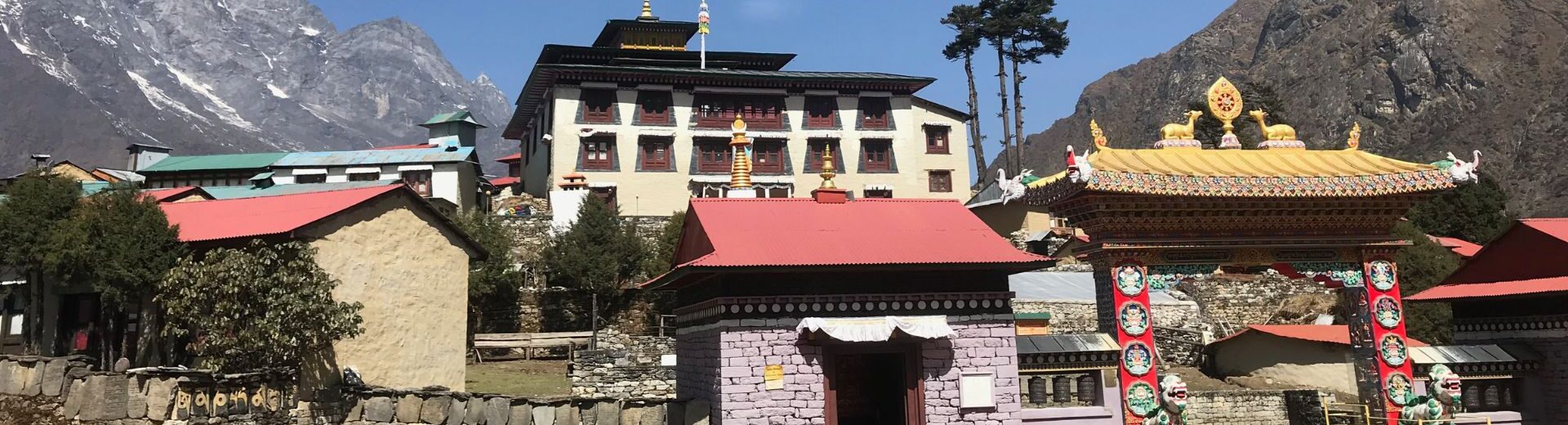
Tengboche is a famous stop for trekkers in the Everest Region. It welcomes you with quiet paths, open skies, and wide mountain views. The moment you arrive at Tengboche, the place feels calm and full of life at the same time. Trekkers stop here to breathe, look around, and enjoy a peaceful pause in the Everest Region.
Many say Tengboche feels like a gentle break in the middle of a tough trail. This guide will show you what makes this spot special, what you can see inside the monastery, and how you can plan your visit with ease.
Table of contents
- What Makes Tengboche Monastery So Special?
- Where exactly is Tengboche Monastery in the Everest Region?
- A Short Look Back at Tengboche Monastery’s History
- What You Will See Inside Tengboche Monastery
- How to Reach Tengboche Monastery on the Trail
- Tengboche Monastery on the Everest Base Camp Route
- Staying Near Tengboche: Teahouses and Food Options
- Helpful Tips for Visiting Tengboche Monastery
- Create Your Perfect Everest Trek Plan
- Tengboche Monastery FAQs
What Makes Tengboche Monastery So Special?
Tengboche Monastery stands on a broad ridge above the forest. The ground feels open and wide. The views stretch far. You can see Everest, Ama Dablam, Lhotse, and more peaks from one spot. The space feels quiet. The sounds of the wind and prayer chants fill the area.
Trekkers enjoy this stop because it feels calm after a long climb. The air feels lighter than the busy trails below. Many people take a short break here to breathe, reflect, and enjoy the view. Some join the prayer sessions. Some sit outside and watch the mountains change color with the light.
The monastery is also an important spiritual center in the Khumbu Region. Sherpa communities follow the teachings of Tibetan Buddhism. Monks study and practice here. They welcome visitors with care and warmth. Many trekkers feel a sense of comfort when they step through the gate.
Where exactly is Tengboche Monastery in the Everest Region?
Tengboche Monastery sits at an altitude of about 3,860 meters. The location lies between Namche Bazaar and Dingboche on the Everest Base Camp trail. The ridge stands clear above the trees. It is one of the few wide, open areas in the region.
To reach Tengboche, trekkers cross forests, rivers, and steep climbs. The last part of the trail rises sharply from Phunki Tenga. The climb takes effort, but the reward at the top makes it worth it.
The monastery stands in the middle of the ridge. Tea houses, bakeries, and small shops sit nearby. The views from the ridge make it one of the most photographed spots on the Everest trail.
A Short Look Back at Tengboche Monastery’s History
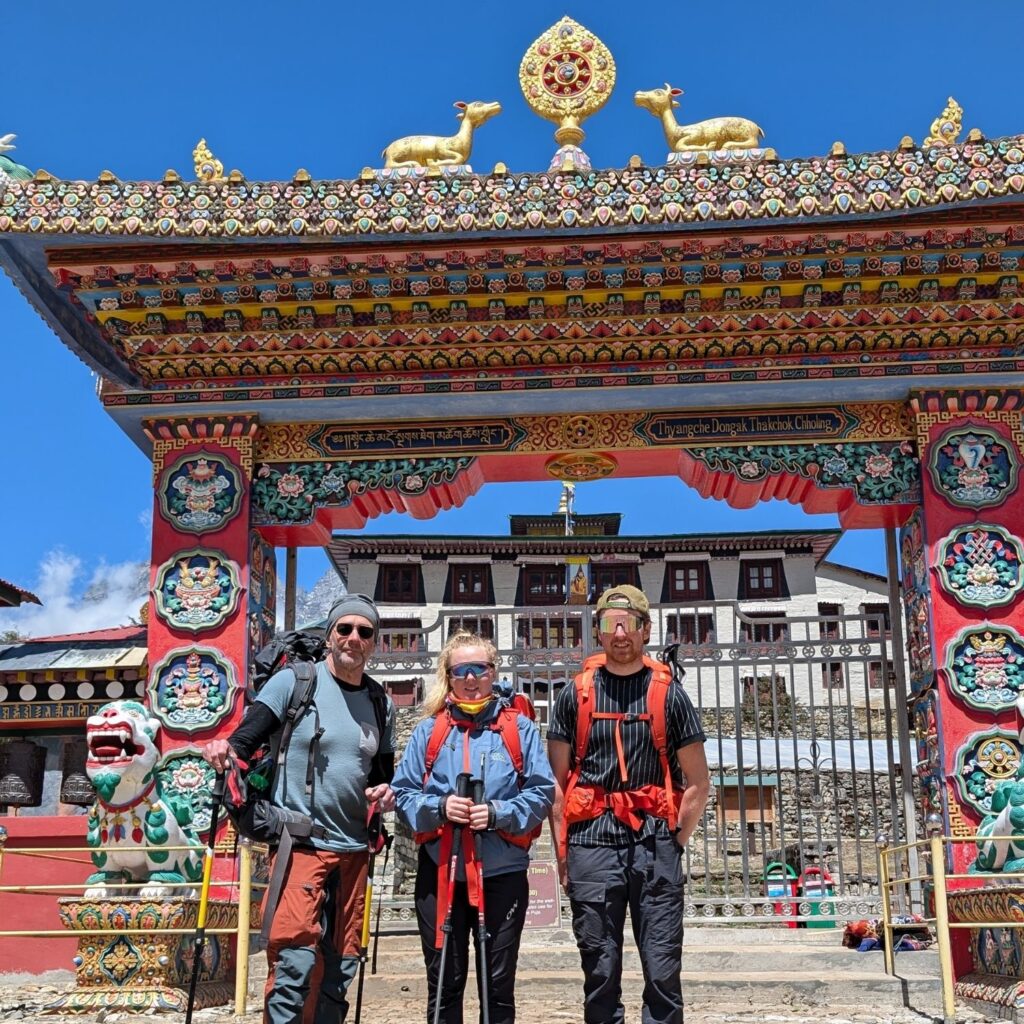
The monastery was first built in the early 1900s. It stood as a spiritual center for the Sherpa people. Over the years, fires and earthquakes damaged the structure. The local community rebuilt it with effort and care. The present structure blends traditional design with newer support systems to keep it strong.
Even with its changes, Tengboche keeps its original purpose. Monks train here. They study sacred texts and guide the local communities. The monastery plays a strong role in cultural life. Trekkers feel this when they walk around the courtyard.
Many expeditions to Everest visited Tengboche for blessings in the past. Climbers still follow this custom today. They stop at the monastery to seek good fortune and safety before they move higher.
What You Will See Inside Tengboche Monastery
When you enter Tengboche Monastery, you step into a quiet space. The soft sound of chanting and rotating prayer wheels fill the rooms. The walls show bright paintings of Buddhist stories. The main hall holds a tall statue of Buddha. Butter lamps glow in front of it.
Below are the main things you can experience inside or around the monastery.
Morning and Evening Prayer Sessions
Monks gather for prayer every morning and evening. The energy feels peaceful. Visitors can sit at the side and listen. The sound of chants and horns echoes slowly across the room. Trekkers often pause to rest and clear their minds during this time.
You do not need to follow any ritual. You only need to sit quietly and respect the session. Many trekkers say this moment stays with them long after the trek.
The Small Monastery Museum
Tengboche has a small museum with objects used in daily monastic life. The museum shares information on Buddhism, Sherpa culture, and the history of the region. It is simple but helpful for visitors who want to understand the area better.
Some items show how monks carried out rituals in the past. Some show daily tools and old photos from the early years of mountaineering.
Wide Mountain Views From Tengboche
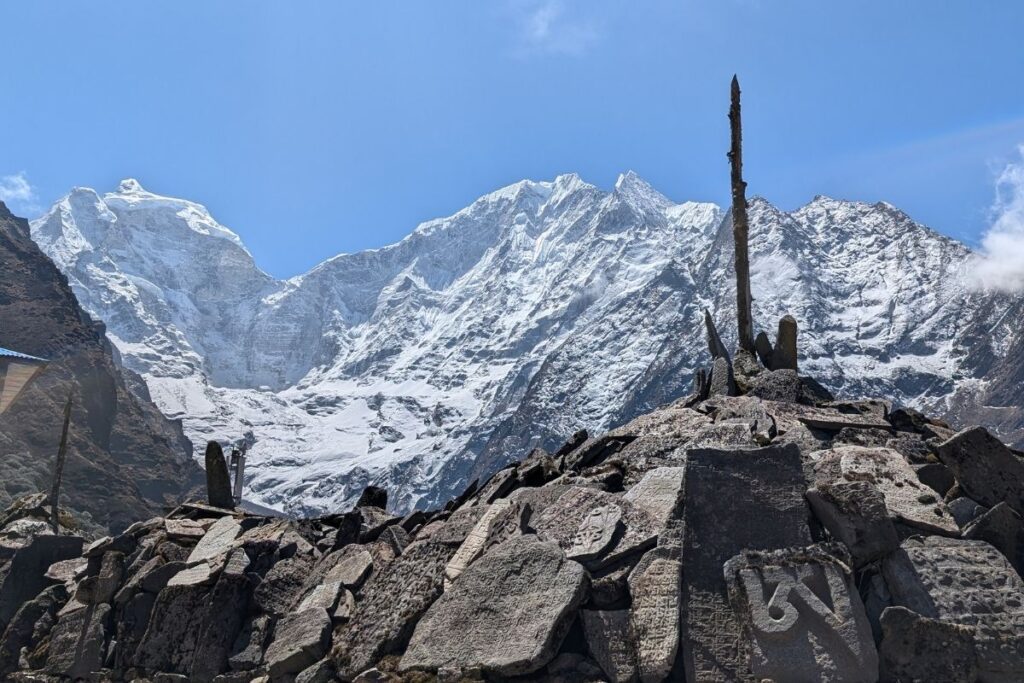
Tengboche is famous for its view. You can stand in the courtyard and look at Everest, Nuptse, Lhotse, Ama Dablam, and more peaks. The view feels clear in the early morning. It feels warm in the late afternoon when the sun hits Ama Dablam.
Many trekkers spend extra time here to take pictures or rest. The ridge gives a full open view with no trees blocking the line of sight.
The Colorful Mani Rimdu Festival
Mani Rimdu is a well-known festival held in Tengboche. The dates shift each year based on the Tibetan lunar calendar. During this festival, monks perform masked dances. These dances tell stories from Buddhist teachings. Many local families walk from nearby villages to attend.
Trekkers who come during this time enjoy a bright cultural event filled with color, music, and movement. The festival lasts several days. It brings together monks, locals, and visitors from many places.
How to Reach Tengboche Monastery on the Trail
Tengboche is placed along the main Everest Base Camp trail. Trekking to this spot takes steady effort. The path is clear, and you do not need special skills. Still, the altitude makes the walk slower and heavier.
Here is how you reach Tengboche from different points on the route.
Hiking From Lukla and Namche
Most trekkers begin in Lukla. From Lukla, they walk to Phakding on the first day. Then they reach Namche Bazaar on the second day. Namche is the main hub in the region. Many trekkers take an extra day in Namche to adjust to the altitude.
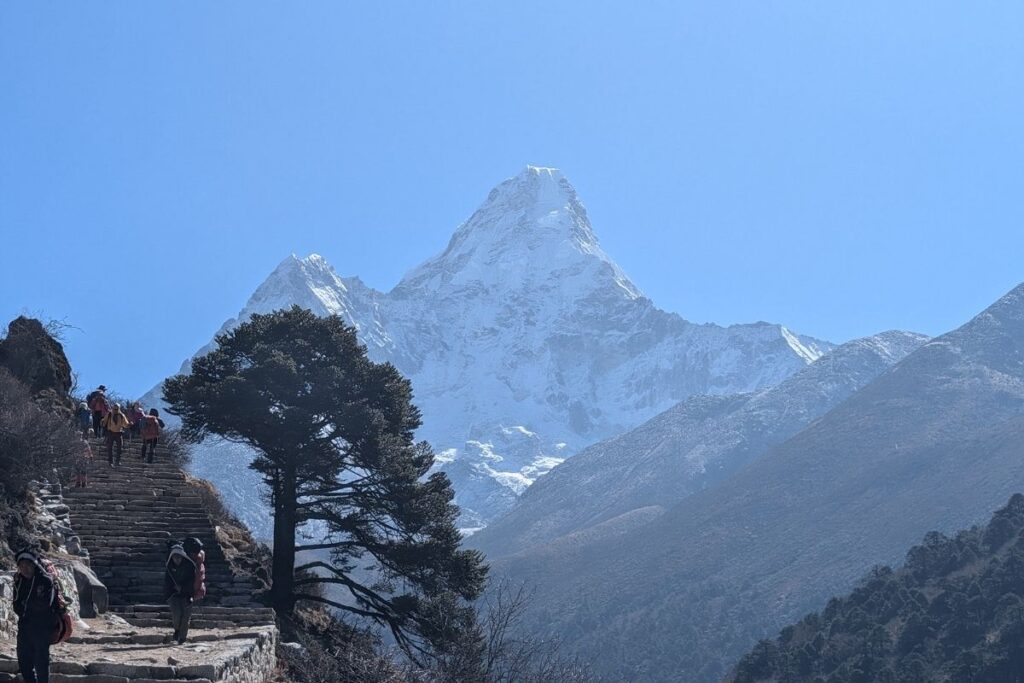
From Namche Bazaar, the trail to Tengboche feels beautiful. The path stays level for some time. You can see Ama Dablam and Everest at several points. The trail then drops down to Phunki Tenga. After that, the climb to Tengboche begins. This climb is steep and slow. Most people reach Tengboche in the afternoon. The full walk from Namche to Tengboche takes about five to six hours for most trekkers.
Hiking From Dingboche or Pangboche
Some trekkers reach Tengboche while walking back from higher camps like Dingboche. Walking down from these areas feels easier. The path offers open views and steady ground.
From Pangboche, the walk to Tengboche takes about two to three hours. The trail moves through forests and open hills. Trekkers often stop in Tengboche for a warm drink before going to Namche Bazaar.
Tengboche Monastery on the Everest Base Camp Route
Tengboche lies on one of the most important points of the Everest Base Camp route. Every trekker who walks toward EBC passes through this ridge. The stop helps you adjust your pace as you move higher. The air feels thinner here, so your body starts to feel the real change in altitude. This makes Tengboche a perfect place to rest before you enter the upper valley.
The trail from Namche to Tengboche marks the start of the high-mountain journey. It is the first section where many trekkers feel the climb more sharply. The forest opens wide as you reach Tengboche. This change in landscape shows that you are moving closer to the Khumbu glaciers.
Most EBC itineraries plan a slow day around Tengboche. Some trekkers stay here overnight. Some continue down to Debuche, which sits only a short walk away. Both places help your body get used to the altitude before you climb toward Dingboche or Pheriche.
Tengboche also gives your first full view of Everest and Ama Dablam together. Many trekkers say this is the moment when the EBC trek starts to feel real. The peaks stand tall above the valley, and the open ridge gives a clear and wide look at the landscape.
This stop also carries deep cultural value on the EBC route. Many climbers visit Tengboche to receive blessings before they move to higher camps. This has been a long tradition in the Khumbu Region. You can watch prayer sessions, see local customs, and take a quiet moment before you move toward the harder trails ahead.
Tengboche is the heart of your EBC journey. It connects the lower forests with the high mountain world. It gives rest, culture, and wide views in one stop. This is why many trekkers call Tengboche one of the most memorable parts of the Everest Base Camp route.
Staying Near Tengboche: Teahouses and Food Options
You can find several teahouses near the monastery. These teahouses give simple rooms with basic beds. The dining area stays warm because of the stove in the middle of the room. The food menu includes items like soup, dal bhat, noodles, tea, and bread.
Rooms fill fast in peak season. Many trekkers reach Tengboche earlier in the day to get a room. Some continue down to Debuche for more options. Debuche is only a short walk below Tengboche. Food here is a bit costlier than the lower parts of the trail. Which is normal because teahouses need to bring supplies from far away.
Helpful Tips for Visiting Tengboche Monastery
Visiting Tengboche feels simple, but a few easy steps help you enjoy the stop more. These tips keep you safe, warm, and respectful during your visit.
- Walk slow in the final climb. The climb from Phunki Tenga feels steep. Slow steps help your breathing stay steady.
- Stay respectful inside the prayer hall. Sit quietly. Do not take photos unless the monks allow it.
- Carry warm layers. The ridge can feel cold even when the sun shines. Keep a warm jacket and hat ready.
- Drink enough water. The altitude here feels high for many trekkers. Drinking water helps you stay comfortable.
- Reach early during peak season. Teahouse rooms fill fast. An early arrival helps you find a good spot.
- Follow local customs. Walk clockwise around prayer wheels and chortens. This is a simple sign of respect.
- Take a short break before you climb to higher camps. Your body needs rest at this altitude. A slow break helps you adjust.
- Check your health. If you feel headache, nausea, or heavy breathing, rest. Talk to your guide or teahouse owner. If needed, head down.
- Wear simple and modest clothes inside the monastery. Monasteries follow a calm and sacred atmosphere.
- Use the walking path with care. Yaks and porters also use this trail. Stay on one side when they pass.
Why Tengboche Monastery Feels Special to Every Trekker
Many trekkers remember Tengboche long after the trek ends. The place feels calm, open, and full of meaning. The reasons may differ for each visitor, but these points explain why this stop stands out on the trail.
- The open ridge gives a clear view of Everest. Many trekkers see Everest from Tengboche for the first time. The moment feels simple but powerful. The peaks rise from the valley, and the air stays quiet. The sight stays in your mind even after you finish the trek.
- The prayer sessions give a calm break. The sound of chants fills the hall. The drums and horns move in a slow rhythm. It feels peaceful after long walking days. Many trekkers say they feel lighter after sitting inside the hall for a few minutes.
- The local culture feels strong here. Tengboche is one of the most active monasteries in the region. Monks train here. Families from nearby villages visit often. You can see daily life that follows a simple and peaceful pace.
- The walk to Tengboche tests you, but the reward at the top feels worth it. The last climb makes many trekkers tired. When you reach the top, the ridge opens wide. The view and the calm air make the effort feel rewarding.
- The setting makes you pause and breathe. Tengboche stands between dense forests and higher mountain valleys. The space feels wide and still. Trekkers often sit in silence here. It gives a moment to enjoy the mountains before heading toward harder trails.
Create Your Perfect Everest Trek Plan
Planning an Everest trek takes time. You need the right pace, rest days, and good guidance. Tengboche sits at an important point on the trail. This stop helps you slow down and check your comfort before you move higher. If you want a safe and well-paced trek, you can plan your route with support from a trusted team of Nepal. That’s where Mountain Routes steps in. We provide you a good guide, who can help you manage altitude, weather changes, and daily timing. If you want help planning your Everest trek, you can reach out to us for clear guidance and support.
Tengboche Monastery FAQs
How long does it take to reach Tengboche?
Most trekkers reach Tengboche on the third day of the trek. The walk from Namche to Tengboche takes about five to six hours. The trail includes one steep climb near the end.
Is the monastery open all year?
Yes, Tengboche Monastery stays open in all seasons. The prayer sessions also continue year-round. Weather can affect the trail, but the monastery itself stays active.
Can visitors join the prayer sessions?
Yes, Visitors can join the morning or evening sessions. You can sit quietly on the side and listen. You do not need to follow any ritual.
Do I need a ticket to enter?
There is a small entry fee. The fee helps maintain the monastery and support daily needs. The cost stays simple and affordable.
Why do EBC trekkers love this stop?
Trekkers enjoy Tengboche because of its peaceful feel, clear views, and cultural value. The monastery sits in one of the most open spots on the trail. The calm space gives trekkers a short break before entering higher ground.





 Chat on WhatsApp