Travel Insurance for Everest Base Camp Trek: Complete Guide
Every year, over 1.14 million foreign tourists visit Nepal, many drawn by its stunning Himalayas and trekking adventures. Out of them, around 80,000 trekkers make their way into the Everest region. Roughly 40,000 hikers attempt the Everest Base Camp Trek alone each season, hoping to stand tall in the shadow of Mount Everest.
Now, as thrilling as being at the top of the world sounds, it comes with serious risk. Losing your life on Everest is the least of your problems; it is mercy indeed. At altitudes above 5,000 meters, the human body faces extreme conditions. Trekkers often suffer from symptoms like severe altitude headaches, shortness of breath, dizziness, and even loss of consciousness. In many cases, frostbite, dehydration, or acute respiratory issues force a medical emergency. When that happens, a helicopter evacuation should be initiated, which could cost up to $6,000, not including hospital care or disrupted travel. Many trekkers prepare physically but forget to prepare financially for such emergencies in the Himalayas.
So, you will be spending thousands of dollars if needed. And this is where having reliable insurance for the Everest Base Camp Trek becomes a necessity. It shields you against unexpected accidents, medical emergencies, delayed flights, or gear damage. From altitude sickness to injuries, flight cancellations to lost equipment. Without insurance, even basic treatment or rescue can drain your budget and end your trip early. But with the right policy, you’ll have access to emergency evacuation, medical care, and 24/7 assistance. More than just a backup, it gives you the freedom to enjoy the trek without constant worry.
Why Insurance is Essential for EBC Trek
Trekking to Everest Base Camp is a once-in-a-lifetime experience, but it comes with real risks. The journey takes you to altitudes above 5,000 meters through rugged terrain and unpredictable weather. The journey takes you through rugged terrain and unpredictable weather, reaching altitudes above 5,000 meters, which is why proper preparation for Everest Base Camp is essential. Given the risks involved, securing comprehensive travel insurance is mandatory for the trek. It protects you from emergencies like altitude sickness, accidents, or trip delays. So, let’s explore the risks of high-altitude trekking and the safety measures every trekker should take before heading into the Himalayas.
The Risks of High-Altitude Trekking
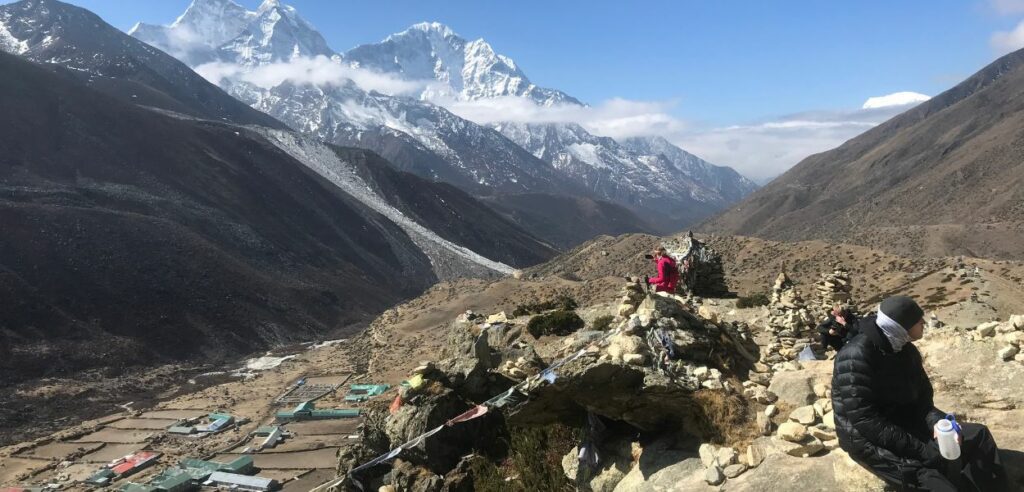
As you ascend past 3,000 meters, your body gets less oxygen with each breath. This can lead to altitude sickness, which affects even the fittest trekkers. Symptoms like headache, nausea, fatigue, and dizziness can strike suddenly. In severe cases, it leads to HAPE or HACE, life-threatening conditions that need immediate evacuation. Weather is another major threat. Sudden snowstorms, freezing temperatures, or heavy winds can trap you between villages or cause injuries. Trekking routes are remote, with limited access to medical care. Even minor injuries like ankle sprains can become serious if not treated fast. Without the proper insurance, emergency evacuation and treatment in Nepal can cost thousands.
Safety First in the Himalayas
Safety comes with thoughtful planning, especially in the Himalayas. Choosing a licensed guide, checking the weather forecast, and walking at a steady pace all reduce risk. But no safety plan is complete without high-altitude trekking insurance. It gives you access to emergency helplines, helicopter rescue, and quality healthcare in case something goes wrong. Always carry a first-aid kit, stay hydrated, and listen to your body. Acclimatisation days are crucial to avoid altitude sickness. By combining preparation with the right insurance coverage, you can enjoy the trek with peace of mind.
What Your Travel Insurance Should Cover
Not all travel insurance is made for the Himalayas. For Everest Base Camp, your policy must go beyond basic coverage. It should protect you against medical emergencies, altitude-related issues, trip delays, and gear loss. Each of these can cost you time, money, and even your safety if not handled quickly.
Emergency Evacuation and Helicopter Rescue
Helicopter evacuation is the most essential part of your trekking insurance. At high altitudes, severe conditions like HAPE or HACE need urgent airlift. A good policy should cover emergency rescue up to $5,000 to $10,000, depending on altitude and region. You should claim this when your guide or doctor confirms you’re unfit to continue and need evacuation. Only licensed operators or guides can request a chopper, so make sure you trek with registered teams. Without this coverage, a single flight can cost more than $5,000, which must be paid upfront in Nepal.
Medical Coverage
Your travel insurance must include high-altitude medical coverage of at least $50,000 to $100,000. This includes hospital stays, doctor fees, emergency treatment, and prescribed medication in Nepal. You can claim it after a certified medical report from a recognised hospital or clinic. This helps if you fall sick on the trail or need treatment after being evacuated to Kathmandu. Make sure the policy covers both high-altitude sickness and general injuries or illnesses during the trek.
Trip Cancellation and Interruption
Flights to Lukla often get cancelled due to bad weather. Illness or emergencies back home may also stop your trip. Your insurance should cover trip cancellation and interruption from $1,500 to $5,000, depending on the package cost. You can claim this if you cancel your trek before starting or return early due to valid reasons. Acceptable claims include injury, illness, natural disasters, or family emergencies with proof. Always read the terms, as insurers need documentation like airline notices or medical records to process refunds.
Baggage and Gear Protection
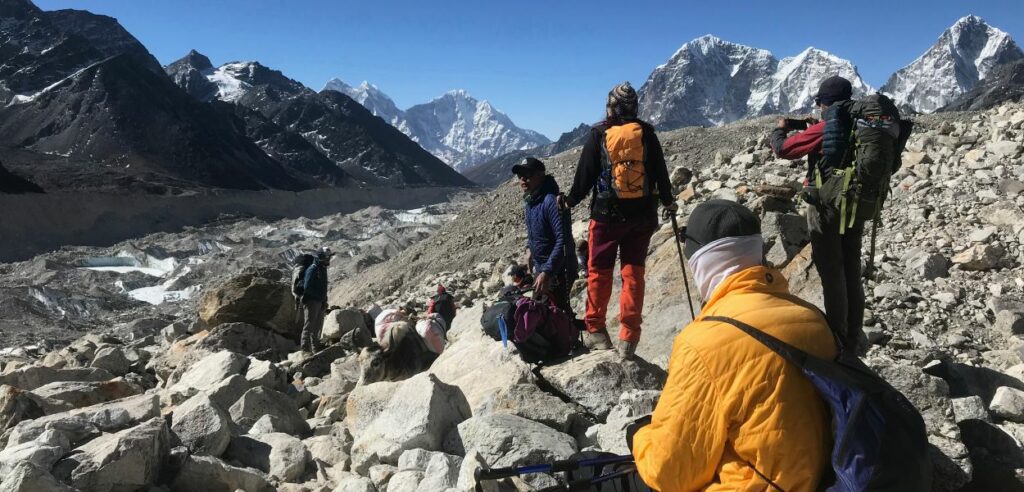
Trekking gear like down jackets, sleeping bags, and hiking boots can cost hundreds of dollars. Losing them is painful. Your policy should cover lost, stolen, or damaged baggage and gear up to $500 to $2,000. You must report the loss to the local police or your airline immediately and keep all written proof. The claim applies to checked-in luggage, lost gear during transit, or theft at lodges and hotels. Some providers offer item-specific limits, so list high-value gear before travel for full coverage.
Choosing the Right Policy for Everest Base Camp
Not all travel insurance policies work for high-altitude trekking. Choosing the right one means more than just picking the cheapest option. You need coverage that matches the unique risks of the Everest region, altitude, remoteness, and weather-related delays. The right policy gives you peace of mind, while the wrong one can leave you stranded.
Key Considerations
Your insurance policy should clearly state that it covers trekking up to 6,000 meters, the height of Everest Base Camp. Make sure emergency evacuation, helicopter rescue, medical expenses, trip cancellation, and baggage loss are all included. Avoid plans that list trekking above 4,000 meters as an exclusion, and many do unless you upgrade. Look for 24/7 emergency assistance services and fast claims support, especially when you’re in remote areas like Gorak Shep. Also, check whether your insurer covers adventure sports, as some categorise EBC trekking under that.
Recommended Insurance Providers for Everest Base Camp Trek
Insurance isn’t one-size-fits-all. It must depend on where you live, the better value, the altitude coverage, and emergency services. Here’s a country-wise breakdown of trusted companies that are suitable for the Everest Base Camp trek. All providers listed are either well-reviewed by trekkers or have a proven history of handling claims related to high-altitude adventures.
For Travellers from the United States
- IMG Global (Patriot Travel Medical Insurance) – Offers customisable adventure sports add-ons; covers emergency evacuation at high altitudes.
- Seven Corners – Includes travel medical, trip cancellation, and evacuation benefits. Plans can cover trekking activities.
- GEOS Worldwide – Provides evacuation memberships, not insurance, but highly recommended alongside a policy.
For Travellers from Canada
- Blue Cross Canada – Offers travel medical insurance with global assistance and emergency medical care.
- Manulife Financial – Covers emergency air evacuation and can include adventure activities upon request.
- Allianz Global Assistance Canada – Offers reliable global coverage and 24/7 support.
For Australians
- 1Cover Travel Insurance – Affordable coverage for high-altitude trekking (confirm with provider for EBC-specific elevation).
- Insure4Less – Offers trekking insurance that explicitly covers Everest Base Camp and helicopter evacuation.
- Fast Cover – Adventure cover includes medical emergencies during the Himalayan trek.
For New Zealanders
- Southern Cross Travel Insurance – Comprehensive medical cover, including add-ons for adventure activities.
- Cover-More NZ – Offers high-altitude trekking as an optional benefit. Check for helicopter evacuation options.
For UK Travellers
- True Traveller – Known among trekkers for strong support, emergency evacuation, and altitude coverage.
- Battleface – Specifically made for adventure and off-grid travel with emergency response.
- BMC (British Mountaineering Council) – Tailored for trekkers and climbers; perfect for Himalayan expeditions.
For EU Residents
- DR-WALTER (ProTrip World) – Great for international trekking with full medical and emergency evacuation support.
- HanseMerkur (Germany-based) – Offers optional add-ons for adventure and mountain trekking insurance.
For Indian Travellers
- Religare Care (now Care Health Insurance) – Offers international plans with trekking coverage up to 6,000m (confirm altitude inclusion).
- Tata AIG Travel Guard – Includes emergency medical care and baggage loss; optional sports cover.
- ICICI Lombard – Customizable travel insurance plans may require altitude clarification.
For All Other Countries
- World Nomads – Covers citizens from over 130 countries. Includes trekking up to 6,000m and helicopter evacuation.
- SafetyWing – Ideal for long-term digital nomads and travellers with an add-on for adventure sports (altitude caps apply).
- Global Rescue – Not an insurer but a vital evacuation and response service; highly recommended as a supplement.
Questions to Ask Your Insurer
The travel insurance you choose should tick all the boxes. Policies can vary based on altitude limits, claim processes, and even what counts as a trekking-related emergency. That’s why asking the right questions before purchasing your plan can save you thousands of dollars and hours of stress during your journey. Don’t assume everything is covered just because it’s called “adventure insurance.” Instead, get clarity up front by asking the following:
- Does this policy cover trekking up to 6,000 meters?
Many standard policies exclude high-altitude trekking unless specifically added.
- Is helicopter rescue and emergency evacuation fully covered?
Verify whether the cost of evacuation—often exceeding $5,000—is included and under what conditions it applies.
- What’s the claim process like in Nepal, and how fast is reimbursement?
Ask how claims are submitted in remote areas and how long it takes for approval or repayment.
- Are pre-existing conditions covered or excluded?
Some insurers deny claims linked to known health issues, so clarify what’s included in your case.
- Will you cover trip delays or cancellations due to Lukla flight issues?
Weather-related delays in Lukla are common. Make sure your plan offers compensation for missed flights or tours.
- Are there any gear or baggage coverage limits I should know? Know the maximum cost limit for lost or damaged equipment, especially if you’re going for expensive trekking gear.
- Is this plan valid for adventure activities, or does it need an upgrade?
Some policies require a separate add-on for adventure or extreme sports coverage. Confirm whether EBC trekking counts.
Costs of Trekking Insurance for Everest Base Camp
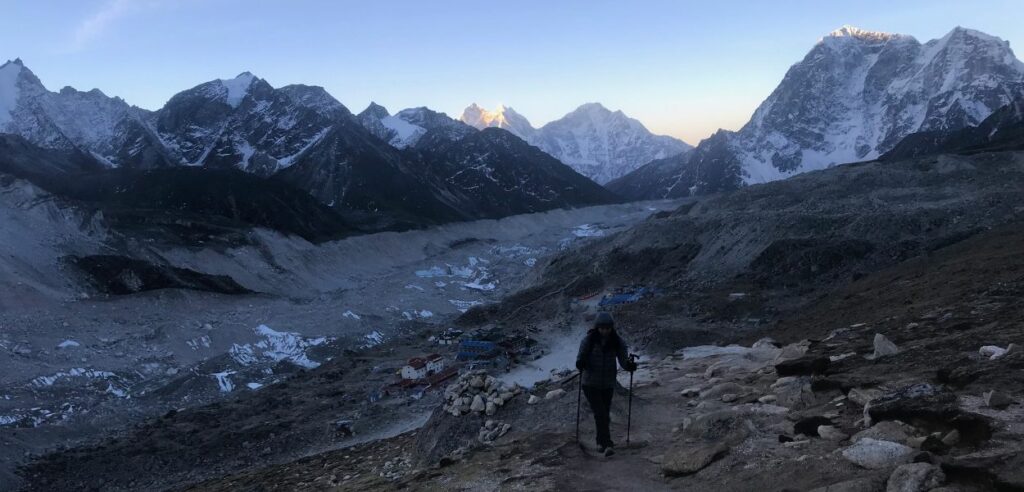
The cost of travel insurance for Everest Base Camp depends on the coverage, duration, and your home country. While budget matters, cheap insurance might miss key benefits like helicopter rescue. Investing in the right plan ensures both safety and peace of mind.
Average Price Range
The cost of insurance for an Everest Base Camp trek usually falls between $100 and $300, depending on your coverage and trip length.
Basic policies that include emergency evacuation and medical support often start around $100, offering limited but essential protection. However, if you want a more comprehensive plan, one that includes trip interruption, baggage loss, and adventure upgrades, the price can go up to $250 or more. Insurance providers like World Nomads, IMG, or SafetyWing offer flexible pricing based on factors like age, nationality, and trip specifics. It’s important to remember that cheaper policies may not cover trekking above 4,000 meters, which makes them unsuitable for EBC. Also, make sure you always check if your chosen plan specifically mentions coverage up to 6,000 meters, as this is non-negotiable for the Everest region.
Factors Affecting Costs
While travelling to a foreign land, the expenses might exceed the estimated cost. It might happen due to various aspects, some of which are:
- Trip Duration and Methods: Longer trips mean higher costs due to extended risk exposure. The helicopter tour might be expensive the EBC trek by road.
- Trekking Altitude: Policies that cover 6,000 meters or more often cost more than standard travel plans.
- Coverage Type: Adding features like helicopter evacuation, gear protection, or trip cancellation raises the premium.
- Age and Health: Older travellers or those with medical conditions may pay more.
- Region of Origin: Rates vary for travellers from the US, Europe, or Asia due to regional claim histories.
- Adventure Sports Add-ons: Some insurers charge extra for trekking, especially above 4,000 meters.
Tips for a Safe and Secure Everest Trek
Even with insurance in place, your preparation plays a significant role in how smoothly your Everest Base Camp trek goes. From physical training to emergency awareness, each step you take before and during the journey ensures your safety in the Himalayas. Below are essential tips every trekker should follow for a secure and enjoyable experience.
Preparing Before You Go
Preparation is the key. So, make sure you start preparing for the trek at least two months in advance. Some of the ways to put it all together are:
- Focus on cardio training, strength exercises, and hiking with a weighted backpack to build stamina.
- Consult a doctor and get a basic health check-up, especially if you have pre-existing conditions.
- Pack carefully. Carry layered clothing, a reliable first-aid kit, prescribed medications, and altitude sickness pills.
- Make copies of your travel insurance, passport, and permits and store them both digitally and in paper form.
- Book your trek with a licensed guide or local agency, as they understand altitude risks and safety protocols.
- Finally, inform family or friends about your complete travel itinerary and expected return date.
Emergency Contacts and Preparation
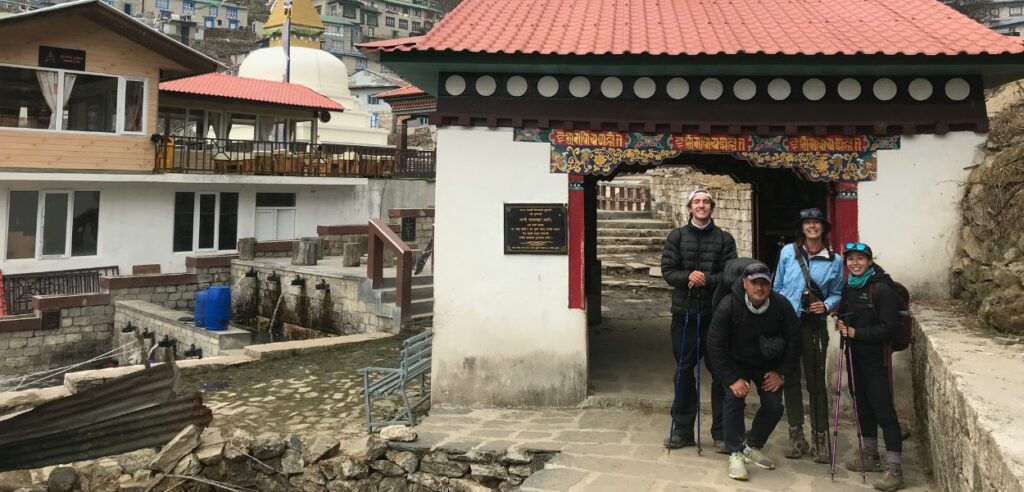
In high altitudes, emergencies can unfold without warning, and panic often delays action. That’s why preparation is your best protection. So, before you leave, list down all crucial emergency numbers like your insurance provider, trekking agency, embassy, and local rescue contacts.
Keep those contacts saved in your phone and printed in your backpack in case of device failure or poor signal.
Make sure your guide or porter is first-aid trained, especially in altitude-related conditions like AMS and hypothermia. Carry a satellite phone or rent one if your itinerary goes beyond cell coverage zones, especially past Dingboche. Being prepared not only saves time during emergencies but can also save your life.
Stay Informed
Information is power, especially in unpredictable terrains like the Himalayas. Staying updated gives you control over your trek.
Before you start the journey, track weather forecasts, trail closures, and local news through trusted sources like the Nepal Tourism Board.
Weather in the Everest region changes fast, and clear mornings can turn into snowstorms by afternoon.
Likewise, stay connected with your trekking agency for real-time updates and alternative route suggestions. Also, keep tabs on health alerts or government advisories affecting the Khumbu region. Smart decisions come from timely information. In the mountains, that can make all the difference between risk and reward. For a worry-free trek with expert guidance, explore our Everest Base Camp Trek Package, carefully designed to keep you safe, informed, and in control at every stage of your journey.
FAQs about Insurance for Everest Base Camp Trek
Do I really need insurance for the trek?
Yes, insurance is essential for the Everest Base Camp trek. The region lies in a high-altitude, remote part of the Himalayas where immediate access to hospitals and proper care is limited. If you fall sick, get injured, or face altitude sickness, you may need emergency evacuation, which could cost over $5,000. Without insurance, these costs come out of your pocket. In fact, many trekking agencies require proof of travel insurance before your trip begins.
What altitude does the policy need to cover?
Your insurance must cover trekking at high altitudes. Everest Base Camp sits at 5,364 meters, but some side hikes go even higher. Many standard policies exclude coverage beyond 3,000 to 4,000 meters. So, make sure your policy includes trekking up to at least 6,000 meters. If it doesn’t, your claims may be denied even if you’re evacuated for altitude sickness or related issues.
Will my insurance cover me if I decide to stop trekking due to exhaustion?
That depends on the insurer and the terms of your policy. Suppose you stop because of a medically diagnosed condition, such as altitude sickness or fatigue requiring rest, and a guide or doctor verifies it. In that case, some policies may cover the interruption. However, insurance typically doesn’t cover voluntary trip cancellations due to tiredness or discomfort alone. Always check with your provider about their policies on early returns and physical exhaustion.
Can I get insurance in Nepal?
Yes, it’s possible to buy insurance in Nepal, but coverage is usually limited. Local providers may not offer international-level evacuation or helicopter rescue services. In addition, some Nepali insurance plans exclude trekking above certain altitudes or may have complicated claim processes. It’s safer to purchase insurance from a well-known international provider before arriving in Nepal.
Are there any exclusions I should know about?
Absolutely. Most insurance policies come with specific exclusions. These can include pre-existing medical conditions, trekking without a licensed guide, or injuries resulting from alcohol or drug use. Some also exclude activities like ice climbing or trekking off-route without proper permits. It’s essential to read the fine print and ask your insurer exactly what is and isn’t covered. This can save you stress and money later.
Trekking the Himalayas with Confidence
Everest Base Camp is a place that seems to be intriguing to every adventure lover. It brings a sense of achieving a personal milestone to the trekkers. But while the beauty of the Himalayas calls you forward, the risks that come with high-altitude trekking demand preparation.
With proper travel insurance, you protect more than your gear, and you safeguard your health, your time, and your investment. From emergency helicopter rescues to unexpected medical issues or lost baggage, the right policy will get you covered. It brings you peace of mind so you can focus on the journey, not the “what-ifs.” Every trail, every step, and every moment becomes more secure when you’re insured. So before you chase the thrill of Everest, take a moment to secure what matters most.





 Chat on WhatsApp