
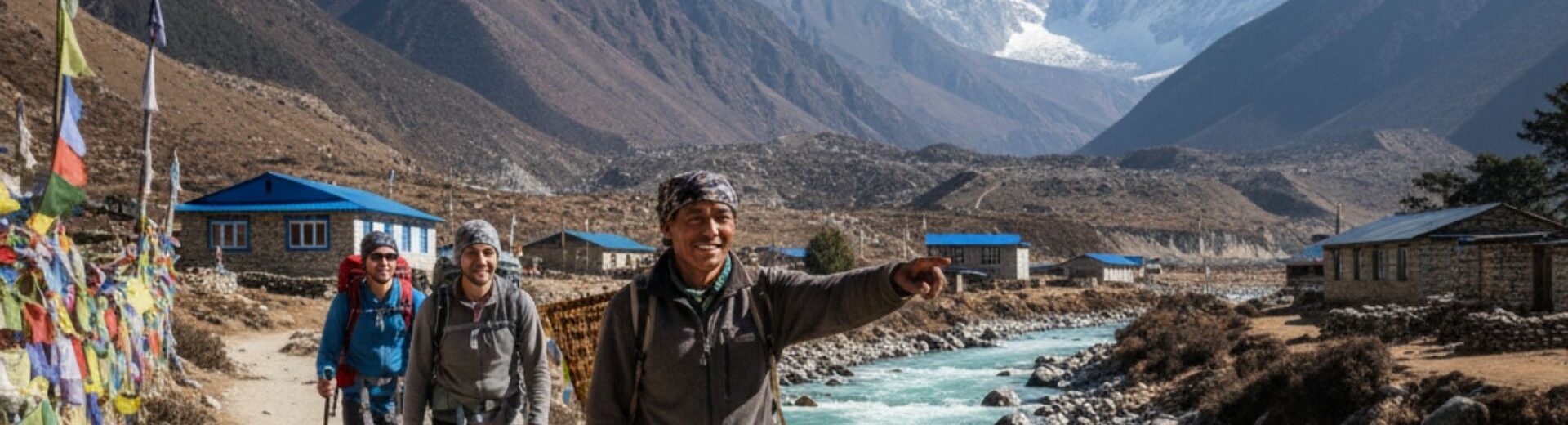
Who is Sherpa? Legacy and Importance in Expedition and Treks
The Sherpa people are the legendary figures behind the world’s greatest climbs. High in the Himalayas lives a community known for incredible courage and skill. A Sherpa cast is synonymous with guiding adventurers through the most rugged terrain on Earth.
They carry immense loads across dangerous high passes. Moreover, these mountain heroes preserve ancient cultural traditions.
The story of the Nepal Sherpa is one of endurance, expertise, and deep cultural pride. Their contribution shapes every trek and Everest expedition in the Himalayas.
You are about to explore their rich history and unique genetics. Prepare to learn about their vital role and vibrant culture. Experiencing the Sherpa legacy turns a simple adventure into something special.
History, Ethnicity, and Origin of the Sherpa People
The Sherpa are a distinct ethnic group native to the mountainous regions of Nepal. Their ancestors migrated from the Kham region of eastern Tibet approximately 500 years ago.
The name Sherpa comes from Tibetan words. “Shar” means East. “Pa” means People. So, Sherpa means “People from the East.” They made their homes in the high valleys of the Himalayas. Most Sherpas live in the Khumbu region in Nepal, which is near Mount Everest.
Originally, Sherpas were semi-nomadic people, practising agriculture, animal husbandry (especially yaks), and trade. They brought their unique language, customs, and deep-rooted Tibetan Buddhist faith with them.
You can still see Sherpa heritage in the Himalayas today. Monasteries, prayer flags, and mani stones mark the landscape. While Sherpas are citizens of Nepal, their culture stands apart from other Nepali groups. Their traditions come from Tibetan roots and life in the mountains.
Role of the Nepal Sherpa People in Mountaineering
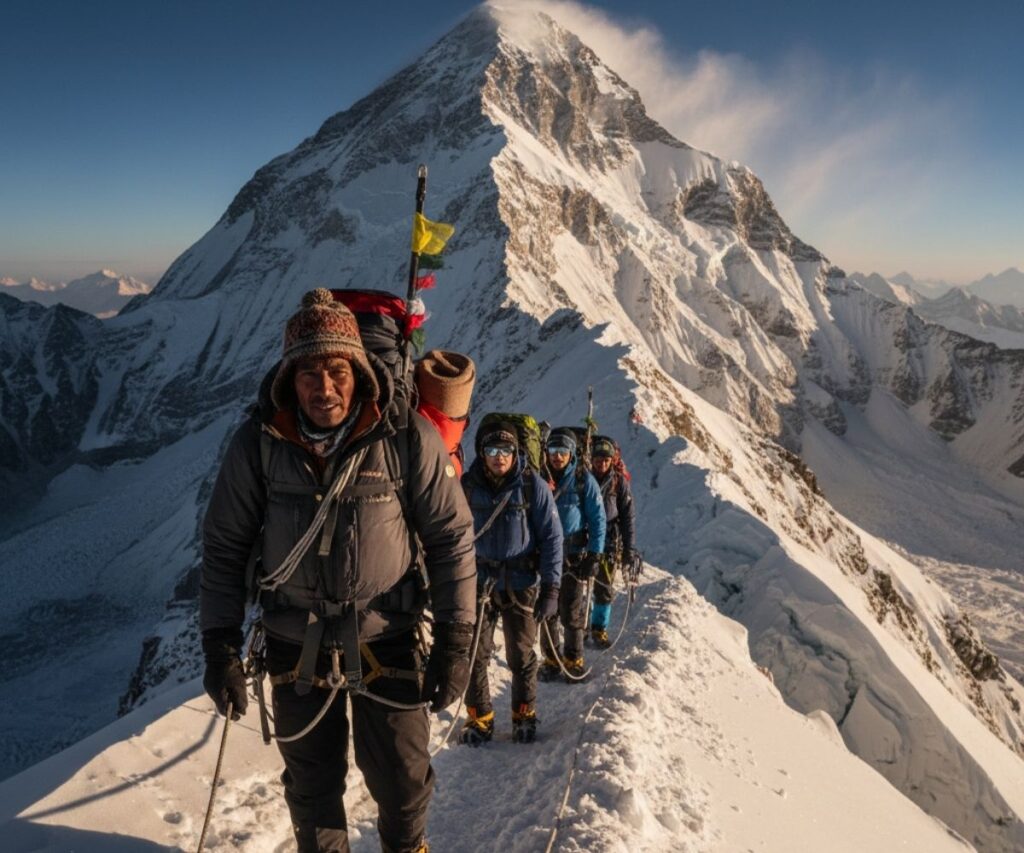
The role of the Himalayan Sherpa people in mountaineering has changed over time. They used to help local climbers.
Now, they lead global expeditions.
Sherpas are elite climbers and top organisers. They started working on Everest climbs in the early 1900s. British teams noticed their strength and endurance at high altitude. Sherpas first worked as porters.
Later, their mountain skills made them guides and rescue experts.
The most important moment came in 1953.
- On May 29, 1953, Tenzing Norgay Sherpa and Sir Edmund Hillary reached Everest’s summit. Everest conquest story of the Tenzing Norgay and Edmund made overall Sherpa and Sherpa guides famous worldwide. People saw them as key partners in mountain adventures.
- This historic achievement catapulted Tenzing Norgay and the Sherpa people to international fame.
Today, Sherpa mountaineers are lead guides and high-altitude rescue teams. Expeditions in the Himalayas count on their courage and expertise. Their work shows the spirit of Nepal, adventure travel, and Himalayan trekking.
Sherpa Genetic Superpowers: The Science Behind High-Altitude Success
Sherpas have unique genes. These traits make them strong at high altitudes. Their bodies use oxygen well and give them an edge in the mountains. The strong genes of the Sherpa are not only from acclimatisation. It is a result of evolution over thousands of years.
Sherpas use oxygen differently from people living at sea level. Most climbers produce more red blood cells when they go up. Thick blood can make the heart work harder and increase the risk of strokes or Acute Mountain Sickness (AMS). Sherpas do not experience this problem.
Research shows why Sherpas succeed at high altitudes. They have an EPAS1 gene, also called the “super-athlete gene.” This gene helps them use oxygen efficiently. Their cells create energy faster. Their bodies also produce more nitric oxide, which improves blood flow and keeps them warm. These traits help Sherpas do tough work in the Himalayas, where many people struggle.
Sherpa Contributions to Everest Expeditions
Everest Sherpa guides are at the heart of every Everest Expedition. They do more than lead climbers. Sherpas take on the hardest and most dangerous jobs. Climbing Everest would be almost impossible without them.
Each season, Sherpas create safe routes up the mountain. They work on the Khumbu Icefall, which is full of shifting ice. This team, called “Icefall Doctors,” sets up ladders and ropes to make the passage safer. Their skill and courage are vital for every climber.
From Base Camp to the summit, Sherpa climbers work before others arrive. They carry gear such as tents, food, and oxygen tanks to high camps. Sherpas set ropes along the trail, helping create a safety line for everyone.
On summit day, Sherpa guides lead, manage oxygen tanks, and watch the weather closely. They keep an eye on each climber’s energy. Sherpas make quick safety decisions. In emergencies, they respond first and perform brave rescues. Their actions save lives every year.
Life of Sherpas and Their Culture Significance
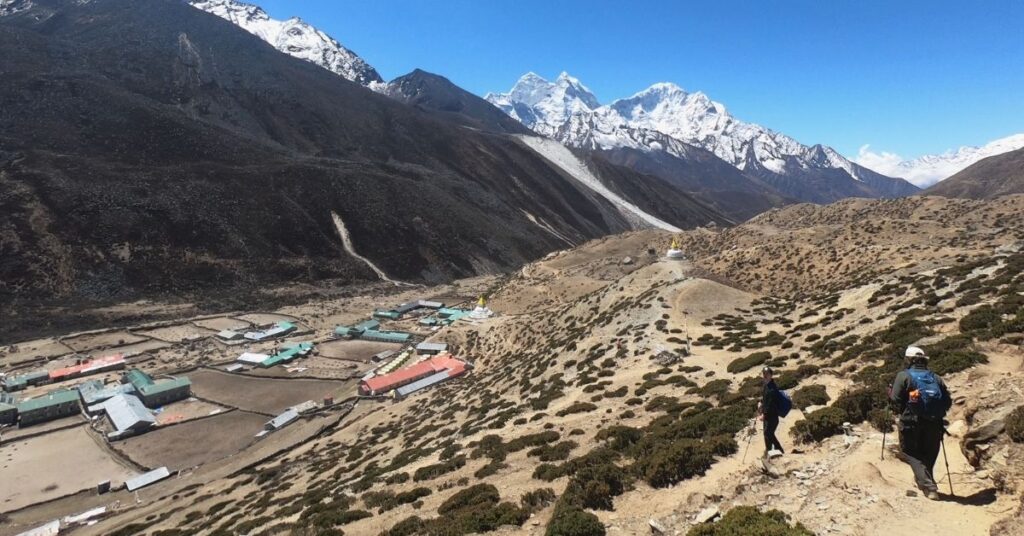
Beyond their mountaineering fame, the life of the Sherpa is deeply rooted in rich cultural traditions. Their community is built around Tibetan Buddhism, strong family values, and legendary hospitality.
Religion is the centrepiece of Sherpa culture. You see Sherpa devotion all around. Prayer flags fly on every mountain pass. Mani stones with carved prayers line the trails.
Monasteries are the heart of their villages. The famous Tengboche Monastery is a busy centre for prayer and festivals. Celebrations like Losar, the New Year, are vibrant. These events bring the whole community together.
Family and community are incredibly important. It is common for Sherpas to have last names that reflect the day of the week they were born, such as Nyima (Sunday), Dawa (Monday), or Pasang (Friday). This tradition highlights the close-knit nature of their society. Sherpas are also famous for their warmth and kindness. Trekkers are often welcomed into their homes and lodges with a smile and a cup of hot butter tea (suja). This welcoming spirit is a core part of their identity.
The Impact of Sherpas on the Himalayan Trekking in Nepal
The Himalayan Sherpa community has fundamentally shaped the trekking industry in Nepal.
Sherpas have changed trekking in Nepal. They shaped the trekking industry and transformed mountain trails into famous trekking routes.
Sherpas first walked these trails for trade and travel between villages. When tourists came, Sherpas became trusted guides. Their knowledge of the land made trekking safe and enjoyable.
Sherpa families started the teahouse trekking model. They built lodges and guesthouses along the way. These places give food and shelter to trekkers. This support makes trekking to Everest Base Camp much easier.
You do not need to carry a heavy bag. You can enjoy the adventure, knowing Sherpas are strong and reliable. This gives trekkers confidence and safety in the Himalayas. Sherpas are more than guides. They are hosts and cultural ambassadors for the region.
Sherpa and Nepal’s Tourism Economy
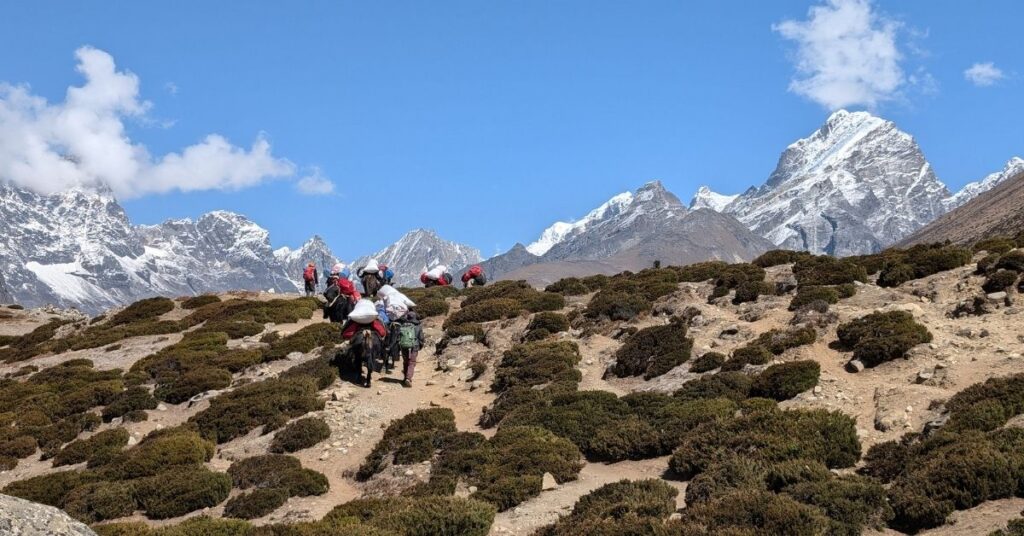
The Sherpa people play a key role in Nepal’s tourism industry. Money from climbing and trekking helps many Sherpa families. It also benefits the economy of Nepal.
Climbing brings large amounts of money into Nepal. People spend on climbing permits, supplies, and guides. Sherpa guides are vital for these expeditions. With their earnings, they take care of their homes, buy food, and pay for their children’s education.
Tourism money helps local villages. It supports schools and hospitals in the Khumbu region. Sir Edmund Hillary’s Himalayan Trust built many of these important places.
Now, more Sherpa people own trekking companies. This helps their community because the money stays local. Financial control lets Sherpas improve their lives and lead the adventure industry.
Sherpa and Their Achievement: Famous Sherpa People
Many Sherpa climbers have achieved great things. They are famous for their records and endurance in mountaineering. These climbers inspire others and make their community proud.
- Tenzing Norgay Sherpa became the first to reach Everest’s summit with Sir Edmund Hillary in 1953.
- Kami Rita Sherpa holds the record for the most Everest ascents, with 30 climbs.
- Lhakpa Sherpa is a top female Everest climber, reaching the summit 10 times.
- Apa Sherpa climbed Everest a record 21 times. He now works for climate change awareness.
- Pasang Lhamu Sherpa Akita earned global recognition for her climbing and her humanitarian work.
Frequently Asked Questions (FAQ)
What language do Sherpas speak?
Sherpas speak their own language. The Sherpa language is related to Tibetan. Many Sherpas working in tourism also speak Nepali and English.
Why are Sherpas considered essential for Everest expeditions?
Sherpas of the Himalayas are vital for Everest Expeditions. Their skills, strength, and experience make climbing possible. Sherpas fix ropes, carry loads, and guide climbers through danger.
How does Sherpa physiology help them at high altitude?
The physiology of Sherpas helps at high altitudes. Their bodies use oxygen well and produce less lactic acid. They have better blood flow and avoid altitude sickness.
What training do Sherpas undergo for mountaineering?
Mountaineers of these ethnic groups train for their work. They learn skills from living in the mountains. Many also receive training from groups like the Nepal Mountaineering Association. Training includes climbing, using ice equipment, rescue skills, and first aid.
Are there female Sherpa mountaineers?
Many women are now top Sherpa climbers. Lhakpa Sherpa has reached Everest’s summit 10 times. Pasang Lhamu Sherpa Akita is a famous female climber.
How can travellers support Sherpa communities ethically?
Travellers can support Sherpa communities in smart ways. Choose trekking companies that pay Sherpas fairly and treat them well. Respect local customs. You can help by donating to schools or health clinics.
What are the risks Sherpas face during expeditions?
Sherpas face many risks on expeditions. They deal with dangers such as avalanches, icefall collapses, crevasses, and frostbite. Sherpas spend more time in high-risk zones than other climbers.





 Chat on WhatsApp